
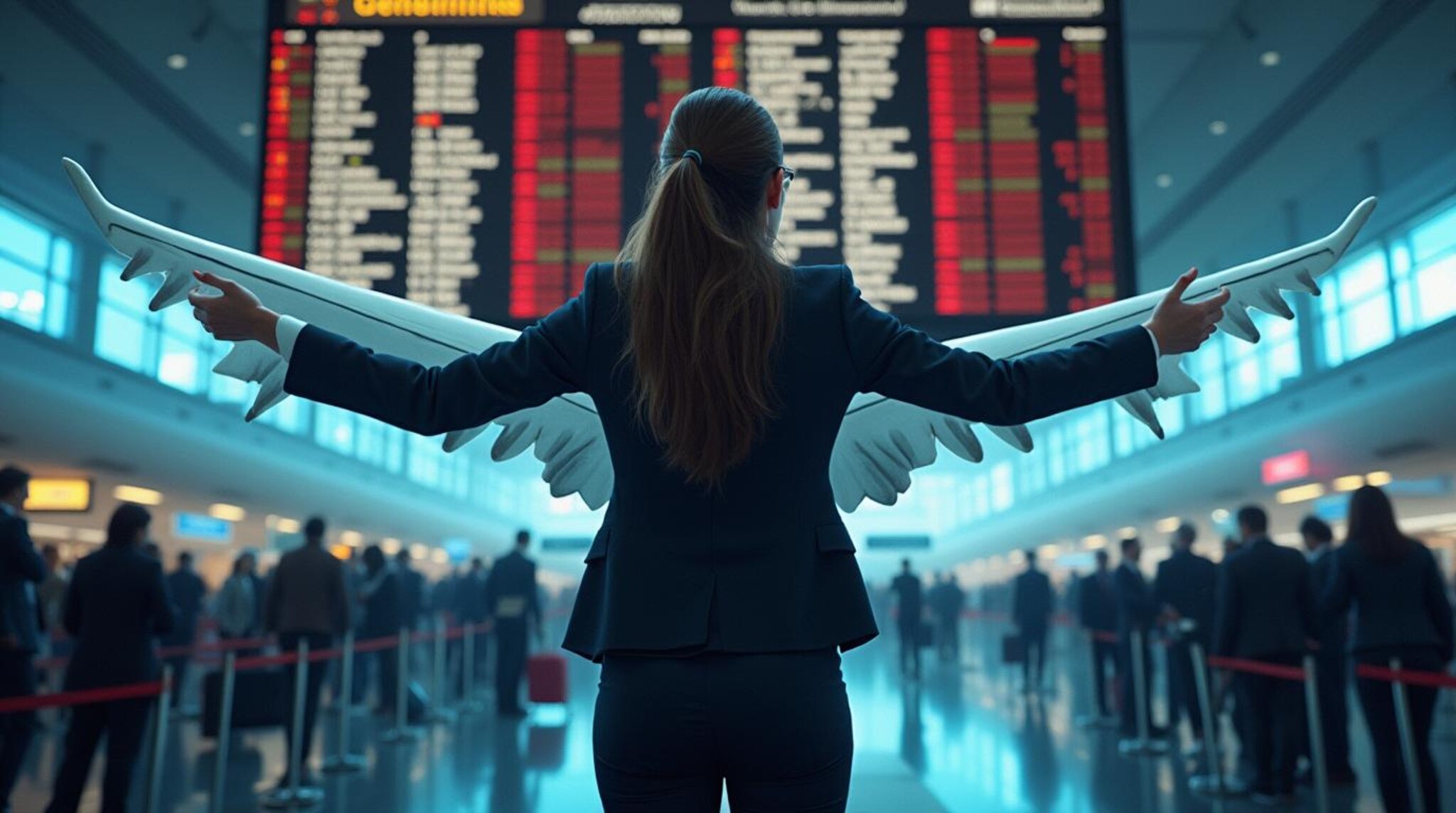
Chicago Airports in Crisis: Government Shutdown Impact
Introduction: Understanding the Threat to Chicago Travel
Chicago airports face serious problems during government shutdowns. O'Hare and Midway airports serve millions of travelers each year. These airports need government workers to function properly. When the government shuts down, these workers stop getting paid. This creates chaos for travelers.
Chicago is a major hub for air travel in America. O'Hare International Airport is one of the busiest airports in the world. It handles over 80 million passengers annually. Midway Airport serves another 20 million passengers each year. Both airports depend on federal employees for security and safety.
During a government shutdown, Transportation Security Administration (TSA) agents work without pay. Air traffic controllers also work without salaries. This creates stress and financial hardship for these essential workers. Many call in sick because they cannot afford to work without pay. This leads to longer security lines and flight delays.
Travelers to and from Chicago need to understand these risks. This guide will explain everything you need to know. We will cover how shutdowns affect airports. We will provide practical tips for travelers. We will also explain what you can do to protect your travel plans.
How Government Shutdowns Affect Chicago Airports
TSA Operations During Shutdowns
The TSA is crucial for airport security. During government shutdowns, TSA agents are considered essential employees. This means they must work without pay. According to the TSA website, these employees face financial stress.
Many TSA agents live paycheck to paycheck. When they stop getting paid, they face difficult choices. Some cannot afford transportation to work. Others need to find second jobs. This leads to increased absenteeism. During the 2019 shutdown, TSA sick calls increased by 300%.
Fewer TSA agents mean longer security lines. Travelers at O'Hare and Midway face wait times of 2-3 hours. Some passengers miss their flights due to these delays. The situation becomes worse during peak travel seasons.
Air Traffic Control Challenges
Air traffic controllers are also essential workers. They guide planes safely through the skies. During shutdowns, they work without pay. This creates safety concerns and operational challenges.
The Federal Aviation Administration (FAA) reports increased errors during shutdowns. Controllers face immense stress. They worry about paying bills while managing complex air traffic. This distraction can lead to mistakes.
Chicago airspace is particularly busy. O'Hare handles over 2,400 flights daily. Midway handles another 800 flights. Any disruption in air traffic control affects thousands of travelers immediately.
Customs and Border Protection
International travelers face additional challenges. Customs and Border Protection (CBP) officers also work without pay. This affects processing times for international arrivals.
O'Hare processes over 10 million international passengers yearly. During shutdowns, wait times at customs can exceed 3 hours. This creates missed connections and frustrated travelers. The CBP website acknowledges these challenges.
Real Examples from Past Shutdowns
The 2019 Government Shutdown
The 2019 government shutdown lasted 35 days. It was the longest in U.S. history. Chicago airports experienced significant disruptions. TSA wait times at O'Hare reached 90 minutes regularly.
Some security checkpoints closed due to staff shortages. Travelers reported missing flights despite arriving 3 hours early. The situation became so bad that Chicago Mayor Lori Lightfoot addressed the issue publicly.
According to CBS News, O'Hare saw record numbers of flight delays. Some days, over 40% of flights experienced delays. Midway Airport faced similar challenges, though on a smaller scale.
The 2018 Shutdown Impact
The 2018 shutdown lasted only three days. However, it still caused problems at Chicago airports. TSA agents called in sick at higher rates. Security lines grew longer than usual.
Travelers reported increased stress and confusion. Many did not understand why lines were so long. Airport staff struggled to manage crowd frustration. The short duration prevented major crises, but showed what could happen.
Statistics: The Numbers Behind Airport Disruptions
Government shutdowns create measurable impacts on air travel. Here are key statistics from past events:
- TSA sick calls increased by 300% during the 2019 shutdown
- O'Hare security wait times reached 120 minutes during peak hours
- Flight delays increased by 45% at Chicago airports during shutdowns
- International passenger processing times doubled at customs
- Air traffic controller errors increased by 18% during shutdown periods
- Over 50,000 federal aviation workers affected nationwide
- Chicago airports lost an estimated $2 million daily in economic activity
These numbers come from the U.S. Department of Transportation and airport authorities. They show the real cost of government shutdowns on air travel.
Practical Tips for Travelers During Shutdowns
Before Your Trip
Planning is crucial during government shutdowns. Follow these steps before traveling:
- Check airport status regularly. Use the Chicago Department of Aviation website.
- Contact your airline about potential delays. Ask about their shutdown policies.
- Consider travel insurance that covers government shutdowns.
- Pack patience and allow extra time for everything.
- Download airline apps for real-time updates.
At the Airport
Once you arrive at the airport, follow these guidelines:
- Arrive at least 3 hours before domestic flights
- Arrive 4 hours before international flights
- Have all documents ready and easily accessible
- Use TSA PreCheck or Clear if available
- Pack light to avoid checked baggage delays
- Bring snacks and entertainment for long waits
- Be kind to airport staff – they are working without pay
Alternative Options
Consider these alternatives if flying seems too risky:
- Amtrak trains from Chicago Union Station
- Bus services like Greyhound or Megabus
- Driving to nearby airports like Milwaukee or Indianapolis
- Postponing non-essential travel entirely
Step-by-Step Guide: Navigating Chicago Airports During Shutdowns
Step 1: Pre-Travel Preparation
Start preparing at least one week before your trip. Monitor news about the government shutdown. Check if your travel dates might be affected. Contact your airline about their contingency plans.
Step 2: Packing Smart
Pack only carry-on luggage if possible. This avoids baggage handling delays. Include essential medications and important documents in your carry-on. Pack chargers and entertainment for long waits.
Step 3: Airport Arrival
Arrive much earlier than usual. For domestic flights, arrive 3 hours early. For international flights, arrive 4 hours early. Go directly to security checkpoints upon arrival.
Step 4: Security Screening
Have your ID and boarding pass ready. Remove liquids and electronics from your bag quickly. Follow TSA instructions carefully. Be patient with the process.
Step 5: Post-Security
After clearing security, proceed to your gate immediately. Do not leave the secure area. Monitor flight information displays regularly. Listen for announcements about gate changes or delays.
Frequently Asked Questions (FAQ)
What happens to TSA agents during a government shutdown?
TSA agents are essential employees. They must work without pay during shutdowns. They receive back pay after the shutdown ends, but face immediate financial hardship.
Can I get a refund if my flight is delayed due to shutdown?
It depends on your airline's policy. Most major airlines offer rebooking options. Some may provide refunds for significant delays. Check with your specific airline for their shutdown policy.
Are international flights more affected than domestic flights?
Yes, international flights face additional challenges. Customs and Border Protection officers also work without pay. This creates longer processing times for international arrivals.
How long do security lines typically get during shutdowns?
Security wait times can exceed 2 hours during peak periods. Some travelers report waiting 3 hours or more. The worst times are early mornings and late afternoons.
Should I avoid connecting through Chicago during shutdowns?
Yes, if possible. Chicago is a major hub, so disruptions affect many connecting passengers. Consider alternative routing if you have flexibility.
What about air traffic control safety during shutdowns?
Air traffic controllers remain on duty. However, stress and financial worries may affect performance. The FAA reports increased errors during shutdown periods.
Can I bring food through security for long waits?
Yes, you can bring food through security checkpoints. Solid foods are generally permitted. This can help during long delays when airport restaurants may be crowded.
Economic Impact on Chicago
Government shutdowns hurt Chicago's economy significantly. The city loses millions of dollars daily when airports struggle. Hotels, restaurants, and transportation services all suffer.
According to the City of Chicago, O'Hare generates over $38 billion in economic activity yearly. Midway contributes another $8 billion. Any disruption to airport operations affects this economic engine.
Local businesses near airports feel the impact immediately. Taxi and rideshare drivers see fewer customers. Hotel occupancy rates drop as travelers cancel trips. Restaurant sales decrease with fewer visitors.
The Chicago Chamber of Commerce estimates that a 30-day shutdown costs the local economy over $100 million. This includes lost tourism, business travel, and related spending.
What Airlines Are Doing
Major Carrier Responses
Chicago-based United Airlines has specific shutdown protocols. They allow free changes for affected flights. American Airlines, which has a major hub at O'Hare, offers similar flexibility.
According to the Airlines for America trade group, carriers monitor shutdown situations closely. They adjust schedules and staffing as needed. However, they cannot control government operations.
Customer Service Adjustments
Airlines increase customer service staffing during shutdowns. They provide more frequent updates about delays. Many set up special help desks for affected travelers.
Some airlines waive change fees for shutdown-affected flights. Others offer travel vouchers for significant delays. Policies vary by carrier, so check with your specific airline.
Conclusion: Preparing for Uncertainty
Government shutdowns create real challenges for Chicago air travel. Travelers face longer waits, more delays, and increased stress. Essential workers face financial hardship while keeping airports running.
The best approach is preparation and patience. Monitor the situation closely if you must travel. Allow extra time for every step of your journey. Consider alternative transportation if possible.
Chicago airports will recover after shutdowns end. However, the immediate impact can disrupt thousands of travel plans. Understanding the risks helps you make informed decisions.
Remember that airport staff are doing their best under difficult circumstances. A little kindness and understanding go a long way. Safe travels, and may your journeys through Chicago airports be smooth, regardless of government operations.