
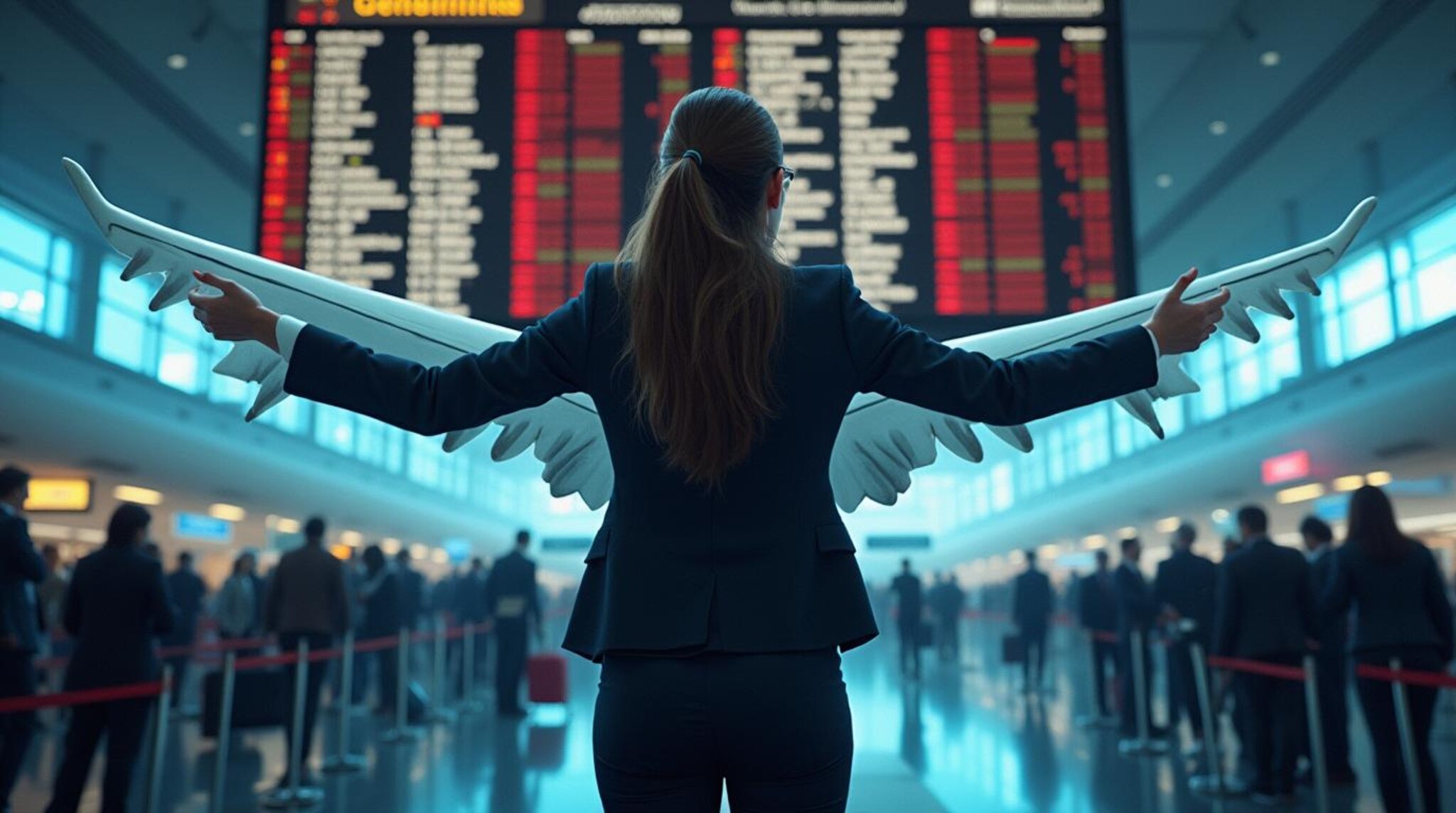
Chicago Airports Chaos: Government Shutdown Impact
Introduction: Understanding the Crisis
Chicago airports face serious problems during government shutdowns. O'Hare and Midway serve millions of travelers each year. These airports are vital transportation hubs. Government shutdowns create chaos for passengers. Travel plans get disrupted without warning. Security lines become much longer. Flights get delayed or canceled. This affects business and vacation travelers alike.
During past shutdowns, Chicago airports experienced significant issues. Transportation Security Administration (TSA) agents work without pay. Air traffic controllers face financial stress. Customs and Border Protection officers struggle. These workers provide essential airport services. Their job performance affects everyone's safety. Travelers need to understand these risks.
This guide explains everything about government shutdown impacts. You will learn practical tips for navigating airports. We cover real examples from previous shutdowns. Statistics show how bad the situation can become. Step-by-step guides help you prepare. Knowledge protects your travel plans during uncertain times.
How Government Shutdowns Affect Airports
Government shutdowns stop many federal functions. This includes airport operations managed by federal agencies. Key airport workers become unpaid during these periods. Yet they must continue working for public safety.
TSA Operations During Shutdowns
TSA agents screen passengers and luggage. They ensure flight safety. During shutdowns, these agents work without regular paychecks. This creates financial hardship for them. Some agents call in sick to find other work. Others protest by not showing up. This leads to staffing shortages at security checkpoints.
Long security lines become common during shutdowns. Wait times can exceed two hours. Some airports close security checkpoints entirely. This happened at several major airports in 2019. Travelers missed flights due to these delays. The situation becomes worse during peak travel periods.
Air Traffic Control Challenges
Air traffic controllers guide planes safely. They work in control towers and radar centers. During shutdowns, they also work without pay. This creates stress and distraction. Controllers must remain focused for public safety. Financial worries make this difficult.
Some controllers retire early during shutdowns. Others take sick leave. This reduces staffing levels at critical facilities. Remaining controllers work longer hours. Fatigue becomes a serious safety concern. The Federal Aviation Administration monitors these situations closely.
Customs and Border Protection
International travelers face additional challenges. Customs officers process arriving passengers. They check passports and declarations. During shutdowns, these officers work unpaid. Staffing reductions occur at international terminals.
Wait times for customs processing increase significantly. Some airports report three-hour delays. This affects connecting flights and ground transportation. Travelers with tight connections face special risks. The Customs and Border Protection agency tries to maintain services.
Chicago's Major Airports: O'Hare and Midway
Chicago has two major commercial airports. O'Hare International Airport is one of the world's busiest. Midway Airport serves mainly domestic routes. Both face unique challenges during government shutdowns.
O'Hare International Airport
O'Hare handles over 80 million passengers annually. It serves as a hub for United and American Airlines. The airport has four passenger terminals. Eight security checkpoints serve these terminals. During shutdowns, some checkpoints may close.
International Terminal 5 handles overseas flights. Customs processing occurs here. During the 2019 shutdown, wait times reached four hours. Some passengers missed their connecting flights. Airlines had to rebook thousands of travelers.
O'Hare employs many TSA workers. About 1,500 agents work at security checkpoints. During shutdowns, absenteeism can reach 10%. This significantly impacts security operations. The airport tries to manage these situations with limited resources.
Midway International Airport
Midway serves about 20 million passengers yearly. It mainly handles domestic flights. Southwest Airlines is the dominant carrier. The airport has one main terminal with three concourses. Security operations are concentrated in one area.
During government shutdowns, Midway faces different challenges. Fewer international flights mean less customs impact. However, security screening suffers similarly. The single security checkpoint creates bottlenecks. Long lines form quickly during staffing shortages.
Midway's smaller size offers some advantages. Airport management can respond more quickly to problems. They can redirect resources where needed most. Still, passengers experience significant delays during shutdown periods.
Real Examples from Previous Shutdowns
Historical examples show what travelers can expect. The 2019 shutdown lasted 35 days. It was the longest in U.S. history. Chicago airports experienced serious disruptions.
January 2019 Shutdown Impacts
The 2019 shutdown affected airports nationwide. O'Hare saw TSA absentee rates of 8-10%. Some security checkpoints closed temporarily. Wait times exceeded 90 minutes regularly. The airport advised arriving three hours early for domestic flights.
International travelers faced worse problems. Customs processing delays reached record levels. Some passengers waited over four hours. Airlines struggled to handle missed connections. Baggage systems experienced delays due to staffing issues.
Midway Airport also suffered. Security lines stretched throughout the terminal. Some passengers missed early morning flights. The airport opened checkpoints earlier to manage crowds. Still, many travelers experienced significant stress.
2013 Shutdown Lessons
The 2013 shutdown lasted 16 days. Airports prepared better based on past experiences. Still, problems occurred at Chicago airports. TSA workers reported financial stress. Some sought temporary jobs during the shutdown.
Air traffic controllers worked without pay. Some facilities reported staffing challenges. The FAA implemented contingency plans. They recalled furloughed workers for safety reasons. This helped maintain basic operations.
Customs processing slowed significantly. International travelers experienced longer waits. The Chicago Department of Aviation worked with federal agencies. They tried to minimize impacts on travelers.
Statistics: The Numbers Behind the Chaos
Data reveals the true impact of shutdowns on air travel. These numbers help travelers understand risks.
- During the 2019 shutdown, TSA absenteeism reached 10% nationally
- Some airports saw security wait times exceed 2 hours
- O'Hare processed about 25,000 international passengers daily during shutdowns
- Customs wait times increased by 150% during peak periods
- Flight delays increased by 25% at affected airports
- Some airlines reported 5% increase in missed connections
- Baggage handling delays increased by 30% at major hubs
These statistics come from the Transportation Security Administration and airport reports. They show clear patterns of disruption. Travelers should consider these numbers when planning trips.
Practical Tips for Navigating Shutdown Travel
Smart preparation helps minimize shutdown impacts. Follow these practical tips for smoother travel.
Before Your Trip
Check government status before traveling. Monitor news about possible shutdowns. Sign up for airline alerts. Download airline and airport mobile apps. These provide real-time updates.
Consider travel insurance during risky periods. Look for policies covering government shutdowns. Read terms carefully. Some policies exclude these events. Understand what protection you actually have.
Pack essential medications in carry-on luggage. Include important documents. Have backup plans for critical meetings. Assume some delays will occur.
At the Airport
Arrive extra early during shutdown periods. Allow three hours for domestic flights. Allow four hours for international travel. Use airport apps to check security wait times.
Have boarding passes ready before security. Remove liquids and electronics quickly. Wear easy-to-remove shoes. Follow TSA instructions carefully. Be patient with security staff.
Monitor flight status constantly. Gates may change without notice. Listen for airport announcements. Stay near your departure gate.
During Flight Delays
Know your passenger rights during extended delays. Understand airline policies on meal vouchers. Know hotel accommodation rules for overnight delays. Keep important phone numbers handy.
Stay calm during disruptions. Airport staff face challenging conditions. Being polite helps everyone. Seek information from official sources. Avoid spreading rumors.
Step-by-Step Guide: Managing Shutdown Travel
Follow this clear guide for shutdown period travel.
Step 1: Pre-Travel Preparation
Check government status 72 hours before travel. Monitor reliable news sources. Contact your airline about contingency plans. Review travel insurance coverage.
Pack essential items in carry-on bags. Include medications and important documents. Prepare for potential overnight delays. Have emergency contacts readily available.
Step 2: Airport Arrival
Arrive at least 3 hours before domestic flights. Allow 4 hours for international travel. Check security wait times via airport apps. Proceed directly to security screening.
Have boarding pass and ID ready. Remove prohibited items in advance. Follow TSA instructions carefully. Be prepared for thorough screening.
Step 3: Security Processing
Stay patient during security checks. Understand TSA workers face stress too. Keep belongings organized. Listen for instructions from security staff.
Collect all items after screening. Check you have everything. Proceed to your gate area. Monitor flight status updates.
Step 4: Flight Monitoring
Check flight status regularly. Listen for gate change announcements. Stay near your departure gate. Have airline customer service numbers handy.
Know alternative flight options. Understand rebooking policies. Keep devices charged for updates. Stay informed about weather conditions too.
Frequently Asked Questions
What happens to TSA workers during shutdowns?
TSA workers must report for duty without pay. They receive back pay after shutdowns end. However, financial stress affects their work. Some call in sick or resign.
Can I get refund for flights delayed by shutdowns?
Airlines are not required to refund delays caused by government actions. However, many offer travel credits or rebooking. Check your airline's contract of carriage for specific policies.
How early should I arrive at airports during shutdowns?
Arrive 3 hours before domestic flights. Allow 4 hours for international travel. These times help account for longer security and customs processing.
Do shutdowns affect air traffic control safety?
The FAA maintains safety as top priority. However, controller stress and fatigue increase risks. The agency implements contingency plans to minimize dangers.
Can I bring food through security during long waits?
Yes, you can bring food through security checkpoints. However, liquids over 3.4 ounces are prohibited. Pack snacks for potential long waits at gates.
What happens if I miss my flight due to security delays?
Airlines typically rebook passengers on next available flights. However, you may incur change fees or fare differences. Travel insurance might cover these costs.
Are international flights more affected than domestic?
Yes, international flights face additional challenges. Customs processing delays can be significant. Connecting international passengers face highest risks.
Conclusion: Staying Informed and Prepared
Government shutdowns create real challenges for air travelers. Chicago airports experience significant disruptions during these periods. Understanding the risks helps you prepare effectively. Knowledge protects your travel plans and reduces stress.
Remember that airport workers face difficult conditions during shutdowns. TSA agents, air traffic controllers, and customs officers work without pay. Their dedication maintains essential safety functions. Travelers should show patience and understanding.
Follow the practical tips in this guide. Monitor official information sources. Prepare for potential delays. Have contingency plans ready. These steps help ensure smoother travel during uncertain times.
Stay informed about political developments that might cause shutdowns. Plan travel during more stable periods when possible. Consider alternative transportation options if practical. Your awareness and preparation make all the difference.
Safe travels through Chicago airports, regardless of government situations. Preparation and knowledge are your best tools for navigating these challenging circumstances.