
California Travel Alert: What 1M+ Visitors Must Know Now
Introduction: Understanding the California Travel Warning
A major travel warning has been issued for California. This affects over one million people. The warning comes from Newsweek and other sources. It covers many popular tourist areas. Visitors need to understand this alert. They must know how to stay safe. This guide will explain everything. We will cover the reasons for the warning. We will discuss which areas are affected. You will learn practical safety tips. We will also share important resources. Our goal is to help you travel safely. California is a beautiful state. But recent events require caution. This warning is serious. It is based on real threats. These include natural disasters and health concerns. We will break down each risk. You will learn how to prepare. We will show you how to protect yourself. Travel can still be enjoyable. But safety must come first. Read this complete guide. It could save your vacation. It might even save your life.
The travel warning was issued in August 2025. It affects coastal areas and national parks. Many tourists visit these places every year. The warning highlights several dangers. These include wildfires, extreme heat, and coastal flooding. There are also health alerts about valley fever. This is a serious fungal infection. It is common in dusty areas. The warning suggests postponing non-essential travel. But if you must go, you need a plan. This article provides that plan. We have gathered expert advice. We include official government recommendations. We also share real stories from travelers. These will help you understand the risks. You will learn what to do in emergencies. We cover everything from packing to evacuation routes. Keep reading to stay informed and safe.
Why Was This Travel Warning Issued?
The travel warning has several causes. Understanding them helps you stay safe.
Extreme Weather Conditions
California faces severe weather. This includes heatwaves and storms. The National Weather Service reports record temperatures. These can reach 115°F in some areas. Heat is dangerous for outdoor activities. It causes dehydration and heat stroke. Many tourists are not prepared. They come from cooler climates. They do not understand the risks. Extreme heat also increases fire danger. Dry vegetation can ignite easily. This leads to wildfires. These fires spread quickly. They can trap tourists in remote areas. Always check weather forecasts. Have a plan for extreme heat.
Increased Wildfire Activity
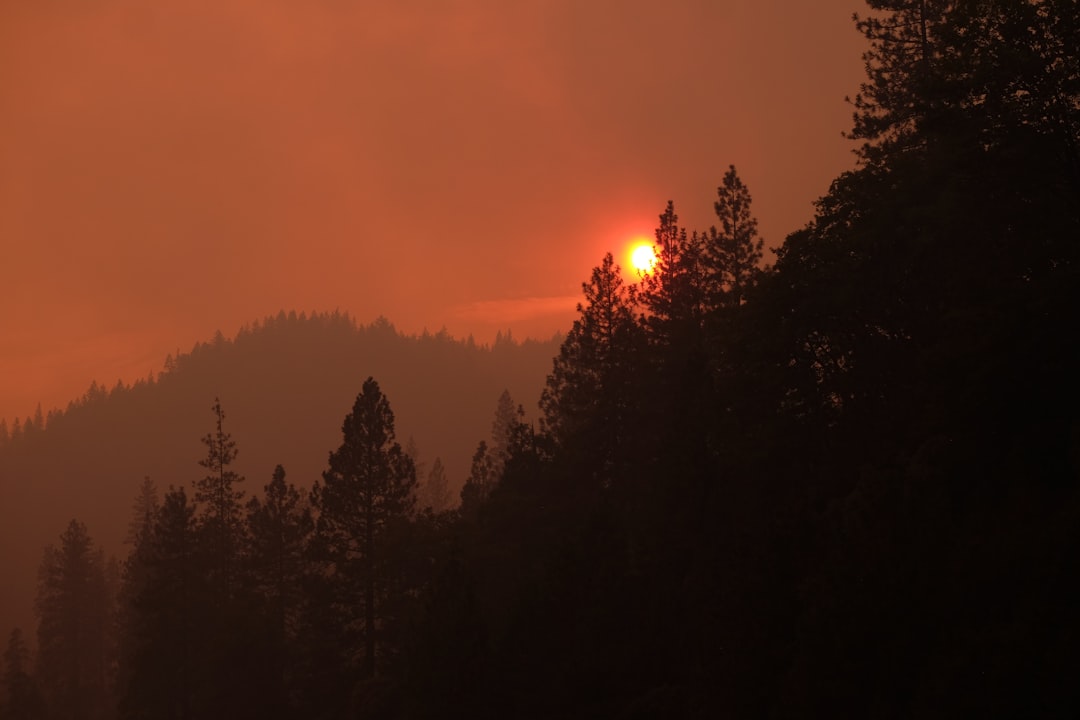
Wildfires are a major concern. Cal Fire reports more fires this year. These fires affect air quality. Smoke makes breathing difficult. It is especially bad for children and elderly people. Fires can also close roads. This might leave tourists stranded. Some popular parks have limited escape routes. You need to know these routes before you go. Fire season is now longer. It starts earlier and ends later. Climate change is a factor. Be very careful during your trip. Avoid areas with active fires. Listen to local authorities.
Coastal Flooding and Erosion
California's coast is experiencing flooding. High tides and storms cause this. NOAA warns about king tides. These are very high tides. They flood beaches and coastal roads. Some beaches have closed temporarily. Erosion is also a problem. Cliffs can collapse suddenly. This is dangerous for hikers and photographers. Always stay on marked trails. Check tide tables before visiting beaches. Do not turn your back on the ocean. Large waves can sweep people away. Several tourists have been injured this year. Do not become another statistic.
Health Concerns: Valley Fever
Valley fever is a fungal infection. It is caused by breathing dusty air. The fungus lives in soil. It becomes airborne when soil is disturbed. The CDC reports more cases in California. Tourists can get sick. Symptoms include fever and cough. Some people develop serious lung problems. Those with weak immune systems are at higher risk. Avoid dusty areas when possible. Stay indoors during dust storms. Wear a mask if you must be outside. Know the symptoms. Seek medical help if you feel sick after your trip.
Which Areas Are Most Affected?
The travel warning covers specific regions. Some places are riskier than others.
Southern California Coastal Areas
Popular beaches are included in the warning. This includes Malibu, Santa Monica, and Venice Beach. These areas face coastal flooding. They also have poor air quality from fires. Summer crowds make emergencies harder. Lifeguards are overwhelmed. Rip currents are strong. Many swimmers need rescue each year. Check beach conditions before you go. Only swim where lifeguards are present. Obey all warning signs.
National Parks and Forests
Yosemite and Sequoia National Parks have warnings. These parks have extreme heat and fire danger. Some trails are closed. Air quality is often poor. The National Park Service updates conditions regularly. Check their website before visiting. Do not hike during heat advisories. Carry plenty of water. Tell someone your plans. Many tourists get lost or dehydrated. Rangers perform numerous rescues. Do not add to their workload.
Central Valley Regions
The Central Valley has high valley fever risk. This includes areas around Bakersfield and Fresno. Farming and construction stir up dust. The air quality is often unhealthy. People with asthma should avoid these areas. If you must go, wear a protective mask. Stay on paved roads. Avoid outdoor activities on windy days.
Mountain and Desert Areas
Mountain areas like Lake Tahoe have fire risks. Desert areas like Death Valley have extreme heat. Death Valley reached 130°F this summer. This temperature is deadly. Your car can break down. Your phone may not work. Always carry extra water and food. Have a full tank of gas. Travel during cooler hours. Do not rely on technology alone.
Real Examples and Statistics
Numbers and stories show the real danger.
Recent Tourist Incidents
Several tourists had bad experiences recently. A family from Ohio got stuck in a wildfire. They were hiking in a national forest. Suddenly, smoke surrounded them. They called 911 but help was slow. Fortunately, they found a safe area. But they were terrified. Another group from Florida faced coastal flooding. Their rental car was damaged by saltwater. They had to pay for repairs. A couple from New York got valley fever. They visited a dusty archaeological site. Both became very sick. They needed weeks of treatment. These stories are common now. Learn from others' mistakes.
Official Statistics and Data
Ready.gov shares important disaster statistics. Wildfires destroyed 500 homes in California this year. Heatwaves caused 150 deaths. Valley fever infected over 5,000 people. Coastal flooding damaged 200 properties. These numbers are rising each year. The state government is concerned. They want to protect visitors. That is why they issue warnings. Do not ignore these numbers. They represent real people and real losses.
Practical Safety Tips for Travelers
These tips will help you stay safe.
Before Your Trip
- Check official travel advisories at travel.state.gov
- Monitor weather forecasts for your destination
- Research your accommodation's safety features
- Share your itinerary with family back home
- Pack a emergency kit with first aid supplies
- Download offline maps and emergency apps
- Purchase travel insurance that covers natural disasters
- Learn basic first aid and CPR techniques
During Your Stay
- Always obey local warnings and evacuation orders
- Stay hydrated – drink water every hour
- Avoid outdoor activities during peak heat hours
- Wear sunscreen and protective clothing
- Monitor local news for updates
- Keep your phone charged and with you
- Know the location of nearest hospitals
- Have cash in case power goes out
Emergency Preparedness
- Identify multiple evacuation routes from your location
- Establish a family meeting point in case you get separated
- Keep important documents in a waterproof container
- Have a list of emergency contacts readily available
- Practice your emergency plan with travel companions
- Carry a portable charger for your devices
- Know how to signal for help in remote areas
- Understand basic shelter-building techniques
Step-by-Step Emergency Guide
Follow these steps if disaster strikes.
Wildfire Encounter
- Stay calm and assess wind direction
- Move perpendicular to the fire's path
- Find a clearing or area with little vegetation
- Lie flat on the ground and cover yourself with soil
- Breathe through a wet cloth to filter smoke
- Call 911 and provide your exact location
- Signal rescuers with bright clothing or mirrors
- Stay low until help arrives or fire passes
Extreme Heat Situation
- Find shade or air-conditioned building immediately
- Remove excess clothing and cool skin with water
- Drink small sips of water regularly
- Apply cool compresses to neck and wrists
- Monitor for signs of heat stroke
- Seek medical help if symptoms worsen
- Avoid physical activity until temperatures drop
- Consider cutting your trip short if heat continues
Coastal Flood Emergency
- Move to higher ground immediately
- Do not attempt to drive through flood waters
- Abandon your vehicle if it becomes trapped
- Stay away from beaches and cliff edges
- Monitor tide tables and weather reports
- Follow evacuation orders without delay
- Keep important medications with you
- Contact your accommodation for guidance
Frequently Asked Questions (FAQ)
Should I cancel my California trip?
This depends on your destination and timing. Check current conditions. Contact your hotel or tour operator. Consider travel insurance. If warnings are severe, postponing might be wise.
What is valley fever and how do I avoid it?
Valley fever is a lung infection from fungus in soil. Avoid dusty areas. Wear masks in windy conditions. Stay on paved roads. Seek medical help if you develop symptoms.
Are beaches completely closed?
Some beaches have temporary closures. Others remain open with warnings. Check local government websites. Always obey posted signs and lifeguard instructions.
How reliable is cell service in emergency situations?
Service can be unreliable during disasters. Networks become overloaded. Have backup communication plans. Consider satellite messengers for remote areas.
What should I include in my emergency kit?
Include water, non-perishable food, first aid supplies, medications, flashlight, batteries, cash, copies of documents, and emergency contacts.
Can I get a refund if I cancel due to warnings?
This depends on your insurance and booking terms. Many companies offer flexibility during official warnings. Contact providers directly for policies.
How can I help local communities during disasters?
Follow evacuation orders to reduce strain on resources. Donate to local relief organizations. Volunteer if you have appropriate skills. Always prioritize safety.
Conclusion: Travel Smart and Stay Safe
The California travel warning is serious. But it does not mean you cannot visit. It means you must be prepared. Understand the risks. Plan carefully. Follow safety guidelines. Stay informed about changing conditions. Your safety is your responsibility. The state has beautiful places to see. But nature can be unpredictable. Respect the environment. Listen to local authorities. Have emergency plans. Share your knowledge with fellow travelers. Together we can reduce risks. We can enjoy California's wonders safely. Remember these key points: check conditions before traveling, pack emergency supplies, know evacuation routes, and always put safety first. Safe travels!
California will still be there tomorrow. If conditions are dangerous, consider postponing. Your life is more important than any vacation. Many travelers visit California safely every year. With proper preparation, you can too. Use the resources we provided. Follow the tips we shared. Stay alert during your trip. We hope you have a wonderful and safe experience. The golden state awaits – but only when it's safe to explore.