
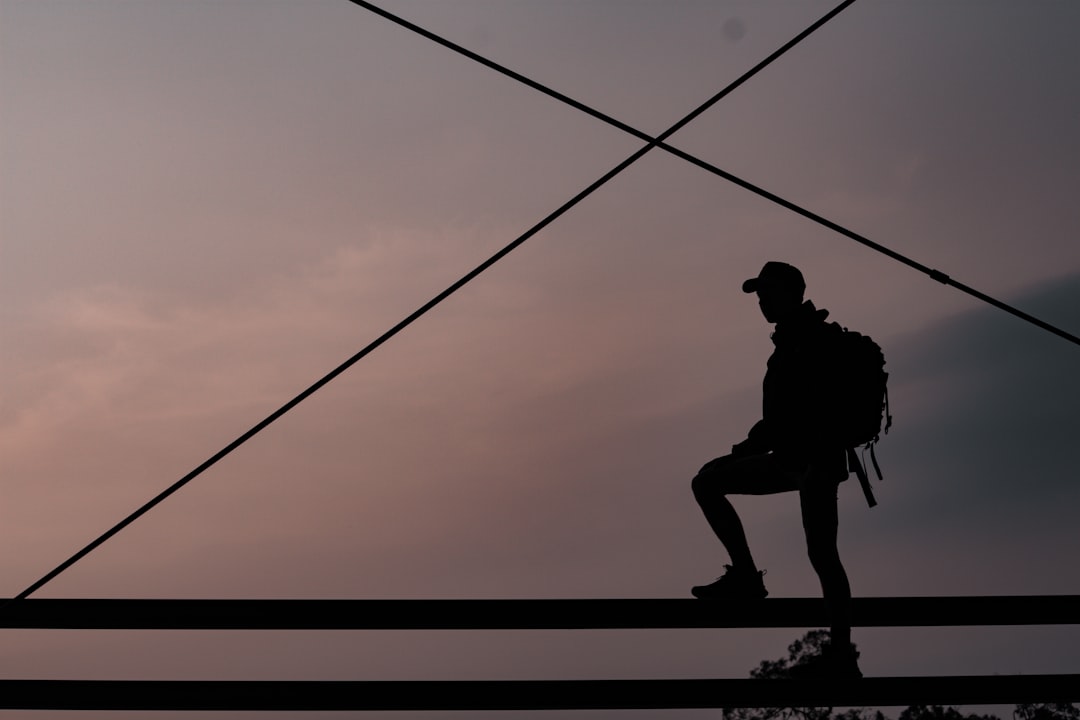
Budget Adventure Travel: Safe Thrills on a Shoestring
Adventure travel calls to many people. The thrill of new places excites us. The chance to explore nature draws us in. But many think adventure costs too much money. They worry about safety in unknown places. This guide will show you how to have amazing adventures without spending a lot. You can travel safely on a small budget. We will cover everything from planning to returning home. Get ready to learn how to make your adventure dreams real.
Adventure travel means different things to different people. For some, it is hiking in mountains. For others, it is exploring cities. Some want to see wildlife. Others want to meet new cultures. Whatever your adventure style, you can do it affordably. Safety should always come first. Good planning helps you stay safe and save money. This guide gives you practical tips for both. Let us begin your journey to affordable adventure.
Why Adventure Travel Matters
Adventure travel offers many benefits. It helps you grow as a person. You learn new skills and gain confidence. Seeing new places broadens your mind. Meeting different people teaches you about the world. Nature adventures help you appreciate our planet. All these experiences can happen on a budget.
Personal Growth Through Travel
Travel pushes you out of your comfort zone. This helps you become more resilient. You learn to solve problems in new situations. Budget travel adds another layer. You become creative with resources. These skills help in everyday life too.
Health Benefits of Adventure
Physical activities during travel improve your health. Hiking builds strength. Swimming boosts cardiovascular health. Even walking through cities burns calories. Mental health improves too. Nature reduces stress. New experiences fight boredom. Studies show that time in nature lowers anxiety.
Planning Your Budget Adventure
Good planning makes adventure travel affordable. Start by setting a realistic budget. Research your destination thoroughly. Choose the right time to visit. Book things in advance to save money. We will walk through each step.
Setting Your Travel Budget
First, decide how much you can spend. Be honest about your finances. Include all expected costs. Remember to keep some money for emergencies. A good budget covers these areas:
- Transportation (flights, trains, buses)
- Accommodation (hostels, camping, budget hotels)
- Food (groceries, street food, restaurants)
- Activities (tours, entry fees, equipment rental)
- Insurance (travel and health coverage)
- Miscellaneous (souvenirs, tips, unexpected costs)
Use budgeting apps to track your spending. Many free apps can help you manage money. Set daily spending limits. Stick to them as much as possible.
Choosing Affordable Destinations
Some places cost less than others. Southeast Asia offers great value. Eastern Europe has beautiful cheap destinations. Central America combines adventure with low costs. Consider these factors when choosing:
- Cost of living in the country
- Exchange rate favorable to your currency
- Availability of budget accommodation
- Cost of local transportation
- Price of food and activities
Numbeo provides cost of living data for countries worldwide. Use it to compare destinations. Also check travel advisories for safety information.
Finding Cheap Transportation
Transportation often takes the biggest part of your budget. Smart choices can save you hundreds of dollars. Be flexible with dates and times. Use comparison websites. Consider alternative routes.
Booking Affordable Flights
Airfare costs vary greatly. Follow these tips for the best deals:
- Book 2-3 months in advance for international flights
- Use incognito mode when searching online
- Be flexible with your travel dates
- Consider nearby airports
- Sign up for airline newsletters for special deals
Google Flights is a great tool for comparing prices. Set up price alerts. Be ready to book when prices drop. Mid-week flights often cost less than weekend travel.
Ground Transportation Savings
Once you arrive, use local transportation. Buses and trains cost less than taxis. In many countries, shared vans offer cheap intercity travel. Consider these options:
- Local buses for city travel
- Trains for longer distances
- Ridesharing services where available
- Bicycle rentals for short distances
- Walking when practical
Many cities offer tourist transportation passes. These can save money if you plan to use public transport frequently. Always compare single ticket costs with pass prices.
Budget Accommodation Options
Where you sleep affects your budget and safety. Many affordable options exist. Choose based on your comfort level and budget.
Hostels: Social and Affordable
Hostels offer the cheapest beds. You share rooms with other travelers. This saves money and helps you meet people. Many hostels now offer private rooms too. Look for hostels with these features:
- 24-hour reception
- Secure lockers for valuables
- Free Wi-Fi
- Common kitchen to prepare meals
- Good reviews about cleanliness and safety
Hostelworld is a popular booking platform. Read recent reviews carefully. Pay attention to comments about safety and security.
Alternative Accommodation
Beyond hostels, consider these options:
- Guesthouses: Often family-run with local charm
- Homestays: Live with local families
- Camping: Great for nature adventures
- Monastery stays: Unique and peaceful
- Volunteer exchanges: Work for accommodation
Each option has different safety considerations. Research thoroughly before booking. Always have a backup plan in case accommodation falls through.
Eating Well on a Budget
Food is an important part of travel experience. You can eat well without spending much. Local food often costs less than tourist restaurants. Street food offers authentic flavors at low prices.
Street Food Safety
Street food is cheap and delicious. But safety matters. Follow these rules:
- Choose stalls with long lines of local people
- Watch how food is prepared
- Ensure meat is thoroughly cooked
- Avoid raw vegetables that may be washed in local water
- Trust your instincts - if something looks questionable, skip it
Carry hand sanitizer. Use it before eating. Drink only bottled or purified water. The CDC provides detailed food safety guidelines for travelers.
Grocery Shopping and Self-Catering
Buying groceries saves money. Many hostels have kitchens. Prepare simple meals yourself. This also helps if you have dietary restrictions. Focus on local produce and staples. They cost less than imported foods.
Staying Safe During Adventures
Safety should never be compromised to save money. Proper preparation prevents problems. Understand risks at your destination. Take appropriate precautions.
Research Local Conditions
Before you go, research these safety aspects:
- Political stability and crime rates
- Common scams targeting tourists
- Health risks and required vaccinations
- Weather conditions and natural disaster risks
- Local laws and customs
U.S. State Department provides country-specific safety information. Check it regularly as conditions can change.
Personal Safety Practices
Follow these safety rules during your travels:
- Keep copies of important documents
- Use money belts or hidden pockets
- Avoid displaying expensive electronics
- Stay aware of your surroundings
- Trust your intuition about people and places
- Learn basic phrases in the local language
- Know emergency numbers for your destination
Share your itinerary with family or friends. Check in regularly. Use common sense in unfamiliar situations.
Affordable Adventure Activities
You do not need expensive tours for adventure. Many thrilling activities cost little or nothing. Nature provides the best free adventures.
Free and Low-Cost Adventures
Consider these budget-friendly activities:
- Hiking in national parks and nature reserves
- Swimming in natural water bodies
- Exploring cities on foot
- Visiting free museums and cultural sites
- Attending local festivals and events
- Volunteering with conservation projects
- Learning basic skills from local people
Many cities offer free walking tours. You pay what you can at the end. These tours provide great orientation and local insights.
Equipment Rental and Sharing
For activities requiring equipment, consider renting. This costs less than buying. Many destinations have rental shops for:
- Bicycles
- Snorkeling gear
- Hiking equipment
- Water sports equipment
- Winter sports gear
Some hostels offer equipment sharing among guests. Ask about this when booking. Always inspect rented equipment for safety.
Practical Budget Travel Tips
Small savings add up during travel. These practical tips help stretch your budget further.
Money Management on the Road
Handle money wisely during your travels:
- Use credit cards with no foreign transaction fees
- Withdraw larger amounts of cash to avoid multiple ATM fees
- Notify your bank of travel plans to prevent card blocks
- Keep emergency cash separate from daily money
- Use budgeting apps to track daily spending
Exchange money at banks rather than airports. Airport exchange rates are usually poor. XE Currency Converter helps you calculate fair exchange rates.
Communication Savings
Stay connected without high costs:
- Use free Wi-Fi in cafes and accommodations
- Download maps for offline use
- Use messaging apps that work over Wi-Fi
- Buy local SIM cards for longer stays
- Use Skype or similar services for international calls
Inform family about your communication plans. Set regular check-in times. This provides peace of mind for everyone.
Frequently Asked Questions
How much money do I need for budget adventure travel?
Costs vary by destination and travel style. In Southeast Asia, you can travel on $30-50 per day. Eastern Europe might cost $40-60 daily. Western Europe requires $70-100 per day. These amounts cover basic accommodation, food, and local transportation.
Is adventure travel safe for solo travelers?
Yes, with proper precautions. Solo travel can be very safe. Choose destinations known for tourist safety. Stay in recommended accommodations. Join group activities to meet other travelers. Always share your plans with someone back home.
What is the best way to find cheap flights?
Use flight comparison websites. Be flexible with dates and airports. Set price alerts. Book 2-3 months in advance for international travel. Consider budget airlines but check baggage fees carefully.
How can I avoid getting sick while traveling?
Get recommended vaccinations. Drink only bottled or purified water. Wash hands frequently. Be careful with street food. Choose busy food stalls. Avoid raw foods in areas with water safety concerns.
What should I pack for adventure travel?
Pack light but include essentials. Good walking shoes are crucial. Bring a basic first aid kit. Include weather-appropriate clothing. Remember important documents and copies. Leave expensive jewelry at home.
How do I handle emergencies in foreign countries?
Know local emergency numbers. Have travel insurance with emergency coverage. Keep embassy contact information handy. Save some emergency money separately. Stay calm and seek help from authorities.
Can I travel adventure on a budget with children?
Yes, family adventure travel is possible on a budget. Choose child-friendly destinations. Look for family discounts. Plan shorter activities. Include rest days. Pack familiar snacks from home.
Real Examples and Success Stories
Many travelers have amazing adventures on small budgets. Their stories inspire and teach us.
Southeast Asia on $25 Daily
Sarah traveled through Thailand and Vietnam for three months. She spent only $25 per day. She stayed in dorm hostels. Ate local street food. Used buses and trains for transportation. Her most expensive activity was a $30 diving trip. She says planning made it possible.
European Adventure for $50 Daily
Mark explored Eastern Europe on $50 daily. He visited Poland, Czech Republic, and Hungary. He used budget airlines between cities. Stayed in private rooms in hostels. Cooked some meals himself. Enjoyed free walking tours and hiking.
Important Statistics
Understanding travel trends helps planning. Consider these statistics:
- 68% of travelers say budget affects destination choice (Statista)
- Adventure tourism grows 17% annually (UNWTO)
- 45% of millennials prefer experience over material goods (Eventbrite)
- Average daily travel budget is $50-100 for most backpackers
- Solo travel has increased 42% in five years
These numbers show budget adventure travel is popular and growing. More people want meaningful experiences without high costs.
Step-by-Step Planning Guide
Follow these steps for successful budget adventure travel:
- Set your budget: Decide total amount and daily limits
- Choose destination: Research costs and safety
- Plan timing: Consider weather and peak seasons
- Book transportation: Look for best deals on flights and trains
- Arrange accommodation: Book first few nights in advance
- Prepare documents: Check passport, visas, vaccinations
- Pack wisely: Light packing saves money and hassle
- Learn basics: Study local language and customs
- Final checks: Insurance, emergency contacts, money
- Enjoy your adventure: Stay flexible and open to experiences
This systematic approach ensures nothing important is forgotten. It reduces stress and increases enjoyment.
Conclusion: Your Adventure Awaits
Budget adventure travel is within your reach. It requires planning and smart choices. But the rewards are immense. You will see amazing places. Meet interesting people. Grow as a person. All without spending a fortune.
Remember the key principles we discussed. Plan carefully but stay flexible. Prioritize safety while seeking adventure. Embrace local experiences over tourist traps. Travel light and travel smart. Your adventures will create memories that last forever.
The world is full of wonderful places waiting to be explored. You do not need lots of money to see them. You need curiosity, courage, and good planning. Start your adventure today. Research your dream destination. Create a realistic budget. Take the first step toward amazing experiences. Safe travels and happy adventures!