
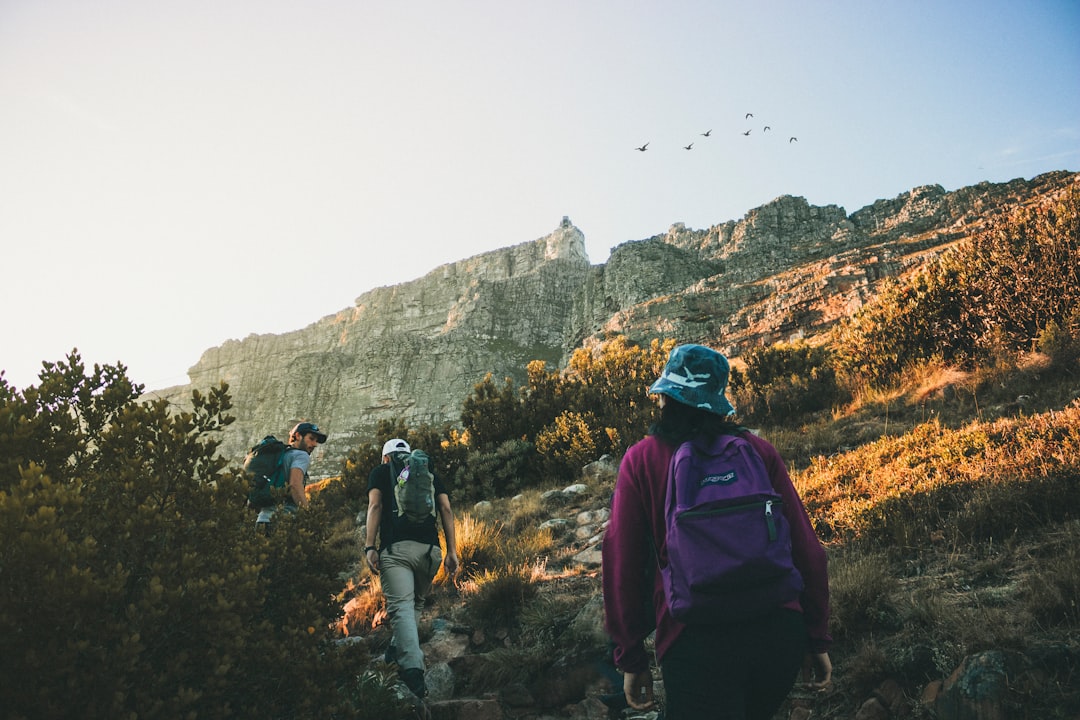
Budget Adventure Secrets: Safe Thrills for Less
Introduction: Adventure Doesn't Have to Break the Bank
Do you dream of exciting travels? Many people think adventure costs too much. This is not true. You can have amazing trips on a small budget. You just need smart planning. This guide will show you how. We will cover everything from planning to packing. You will learn to save money without losing fun. Adventure travel should be safe too. We will share important safety tips. These tips work for all types of travelers. Whether you are young or old. Whether you travel alone or with friends. Our advice will help you. You will discover beautiful places. You will meet interesting people. All while keeping your money safe. Let us begin this journey together. Your next great adventure awaits!
Budget travel has many benefits. It lets you travel more often. You can visit more places. You learn to be resourceful. You connect more with local cultures. According to U.S. Travel Association, 72% of travelers look for deals. They want to save money. But they do not want to sacrifice quality. This guide will show you how to do both. You will have safe, exciting trips. You will not spend too much money. Let us explore these budget adventure secrets together.
Smart Planning: The Foundation of Budget Adventure
Good planning saves money. It also makes trips safer. Start planning early. This gives you time to find deals. Last-minute trips often cost more. Be flexible with your dates. Travel during off-peak seasons. Prices are lower then. Fewer people travel too. You will enjoy places more.
Research Your Destination Thoroughly
Learn about your chosen place. Read travel blogs and guides. Check government travel advisories. The U.S. Department of State has good safety information. Understand local customs and laws. This keeps you safe and respectful. Know the weather patterns. Avoid bad weather seasons. This prevents problems.
Create a Realistic Budget
Make a detailed budget. Include all expected costs. Do not forget hidden expenses. Here is what to consider:
- Transportation (flights, trains, buses)
- Accommodation (hotels, hostels, rentals)
- Food and drinks
- Activities and tours
- Travel insurance
- Emergency funds
- Local transportation
- Souvenirs and gifts
Add 10-15% for unexpected costs. This buffer is important. It prevents stress during your trip.
Use Price Comparison Tools
Many websites compare prices. Use them for flights and hotels. Skyscanner and Kayak are popular. They show the best deals. Set up price alerts. You will get notifications when prices drop. This can save hundreds of dollars.
Budget-Friendly Transportation Tips
Transportation often costs the most. Smart choices save money. They can also be more fun. You see more of the country.
Flight Booking Strategies
Book flights at the right time. Research shows Tuesday afternoons are good. Airlines often release deals then. Use incognito mode when searching. Websites cannot track your searches. They cannot raise prices. Consider alternative airports. Sometimes nearby airports are cheaper.
Ground Transportation Savings
Once you arrive, use local transport. Buses and trains cost less than taxis. They help you experience local life. In many countries, trains offer beautiful views. Rome2Rio shows all transport options between places. It helps you find the cheapest way.
Walking and Cycling
Walking costs nothing. It is great exercise. You discover hidden gems. Many cities have bike-sharing programs. They are cheap and healthy. You cover more ground than walking. You still enjoy the outdoors.
Affordable Accommodation Options
Where you sleep affects your budget greatly. You have many cheap options. They can be more interesting than hotels.
Hostels: Not Just for Young Travelers
Hostels have changed a lot. Many now have private rooms. They have good facilities. Common areas help you meet other travelers. You can cook your own meals. This saves money on food. Read reviews carefully. Choose hostels with good security.
Vacation Rentals and Homestays
Websites like Airbnb offer local homes. You get more space than hotels. You can cook your own food. Homestays let you live with local families. You learn about their culture. The cost is usually reasonable.
House Sitting and Work Exchanges
House sitting means watching someone's home. You get free accommodation. You care for their pets sometimes. Websites like TrustedHousesitters connect people. Work exchanges offer free stays for some work. You might help in a hostel or farm. This extends your travel budget.
Eating Well on a Budget
Food is an important part of travel. You can eat well without spending much. Local food is often cheaper and better.
Shop at Local Markets
Markets have fresh, local food. Prices are lower than restaurants. You can try local specialties. It is fun to explore markets. You see how locals shop and eat. Many markets have ready-to-eat food too.
Street Food Safety
Street food is cheap and delicious. Choose busy stalls. High turnover means fresh food. Watch how they prepare it. Make sure they cook it thoroughly. Avoid raw foods in some countries. Drink bottled water when unsure.
Cook Your Own Meals
Choose accommodation with kitchen access. Cook some meals yourself. Breakfast is easy to prepare. Sandwiches make good lunches. You save money for nice dinners. Cooking local ingredients is fun. It helps you learn about local cuisine.
Safety First: Adventure Without Risk
Adventure travel has some risks. Good preparation keeps you safe. Follow these safety guidelines.
Health Precautions
Check if you need vaccinations. Visit a travel clinic before your trip. Pack a good first-aid kit. Include any personal medications. Know how to access medical care at your destination. CDC Travel Health has good information.
Personal Security
Keep your money and documents safe. Use hotel safes when available. Carry only what you need for the day. Be aware of your surroundings. Avoid dangerous areas. Trust your instincts. If something feels wrong, leave.
Adventure Activity Safety
Choose reputable tour operators. Check their safety records. Make sure they have insurance. Use proper safety equipment. Do not take unnecessary risks. Listen to local advice about conditions.
Practical Tips Section: Your Action Plan
Here are specific steps you can take. Follow this action plan for budget adventure travel.
Before You Go
- Research your destination for 2-3 weeks
- Create a detailed budget spreadsheet
- Book flights 6-8 weeks in advance for best prices
- Arrange travel insurance that covers adventure activities
- Learn basic phrases in the local language
- Notify your bank about your travel plans
- Make copies of important documents
- Download offline maps and translation apps
During Your Trip
- Track your spending daily
- Use local transportation when possible
- Eat where locals eat for better prices
- Carry a reusable water bottle
- Stay connected with family back home
- Be flexible with your plans
- Talk to other travelers for tips
- Take plenty of photos but be present
Money-Saving Strategies
- Travel during shoulder season (between peak and off-peak)
- Use student, senior, or other discounts when available
- Consider overnight transportation to save on accommodation
- Look for free walking tours in cities
- Visit museums on free admission days
- Use public libraries for free internet
- Carry snacks to avoid expensive impulse buys
- Drink local beers and wines instead of imports
FAQ Section: Your Questions Answered
How much money do I need for a budget adventure trip?
This depends on your destination and travel style. In Southeast Asia, you might spend $30-50 daily. In Europe, budget $50-80 daily. South America costs $40-70 daily. Always research your specific destination. Add 15% for emergencies.
Is travel insurance really necessary?
Yes, absolutely. Good travel insurance protects you from many problems. Medical emergencies abroad can be very expensive. Trip cancellations happen. Lost luggage is common. According to Squaremouth, the average travel insurance claim is $1,500. Insurance costs much less than that.
How can I stay safe as a solo traveler?
Choose accommodation in safe areas. Arrive at new places during daylight. Keep family updated on your plans. Meet other travelers at hostels. Do not share too much personal information. Trust your intuition. Join group tours for some activities.
What are the best resources for finding deals?
Use flight comparison websites like Skyscanner and Google Flights. For accommodation, try Booking.com and Hostelworld. Travel blogs often share current deals. Follow airlines and travel companies on social media. They announce sales there.
How do I avoid tourist traps?
Research beyond popular guidebooks. Talk to locals for recommendations. Eat away from main tourist areas. Visit popular sites early in the morning. Be wary of "too good to be true" deals. Walk a few blocks away from main squares for better prices.
What should I pack for budget adventure travel?
Pack light but smart. Bring versatile clothing that layers well. Include a basic first-aid kit. Pack a reusable water bottle. Bring a universal power adapter. Include a small flashlight. Pack quick-dry towels. Remember important documents and copies.
How can I communicate without knowing the language?
Learn basic greetings and phrases. Use translation apps like Google Translate. Download offline language packs. Use gestures and pictures. Carry a small phrasebook. Be patient and smile. Most people appreciate your effort to communicate.
Real Examples: Budget Adventures That Work
Let us look at real success stories. These travelers had amazing adventures on small budgets.
Southeast Asia on $35 Daily
Maria traveled Thailand and Vietnam for three months. She spent only $35 per day. She stayed in hostel dorm rooms. She ate street food and market meals. She used local buses and trains. She joined group tours for some activities. She visited beautiful temples and beaches. She met many other travelers. Her total cost was about $3,150 for 90 days.
European Adventure for $4,000
John and Sarah visited six European countries. They traveled for six weeks. Their total cost was $4,000 for both. They used budget airlines between countries. They stayed in vacation rentals. They cooked most breakfasts and lunches. They enjoyed nice dinners out. They visited free museums and parks. They walked everywhere in cities.
South American Exploration
Carlos backpacked through Peru and Bolivia for two months. He spent $45 daily. He hiked the Inca Trail to Machu Picchu. He visited Lake Titicaca. He saw the Uyuni Salt Flats. He used local guides for safety. He learned basic Spanish. He made friends from around the world.
Statistics and Data: The Numbers Behind Budget Travel
Research shows interesting trends in budget travel. These numbers help us understand the market.
- According to Statista, the global adventure tourism market will reach $1.8 trillion by 2028
- A Booking.com survey found 68% of travelers want more budget-friendly options
- The World Tourism Organization reports adventure travel grows 15% annually
- Research shows travelers save 20-30% by booking 2-3 months in advance
- Hostel guests save an average of $40 nightly compared to hotel guests
- Traveling offseason can save 25-50% on accommodation and flights
- 63% of millennials prefer experiences over material possessions when traveling
Step-by-Step Guide: Planning Your First Budget Adventure
Follow these steps for your first budget adventure trip. This guide makes planning easy.
Step 1: Choose Your Destination (Month 1)
Research potential destinations. Consider your interests. Think about your budget. Check travel advisories. Look at weather patterns. Read travel blogs about each place. Make a short list of 2-3 options.
Step 2: Set Your Budget (Month 1)
Decide your total trip budget. Break it down into categories. Include flights, accommodation, food, activities, and extras. Add 15% for emergencies. Create a savings plan if needed.
Step 3: Book Major Elements (Months 2-3)
Book your flights first. Then arrange accommodation. Consider travel insurance. Make reservations for popular activities. These often sell out early.
Step 4: Prepare Documents and Health (Month 4)
Check your passport expiration. Apply for visas if needed. Visit a travel doctor. Get necessary vaccinations. Arrange any required medications.
Step 5: Final Preparations (Month 5)
Create a packing list. Shop for needed items. Arrange home and pet care. Notify your bank about travel. Download necessary apps. Make document copies.
Step 6: Enjoy Your Trip!
Stay flexible during your travels. Be open to new experiences. Follow your safety plans. Track your spending. Take lots of photos. Make wonderful memories.
Conclusion: Your Adventure Awaits
Budget adventure travel is possible for everyone. With good planning, you can have amazing experiences. You will not spend too much money. Remember the key points from this guide. Plan ahead and research thoroughly. Be flexible with your dates and plans. Choose budget-friendly accommodation and transportation. Eat like a local to save money and have better experiences. Always prioritize your safety. Use the practical tips we shared. Follow the step-by-step planning guide.
Adventure travel changes you. It builds confidence. It teaches resourcefulness. It creates lasting memories. You meet interesting people. You see beautiful places. You learn about different cultures. All these benefits come without high costs. Start planning your budget adventure today. Use the resources we mentioned. Follow the advice in this guide. Your next great journey is closer than you think. Safe travels and wonderful adventures await you!
Remember what the famous traveler Saint Augustine said: "The world is a book, and those who do not travel read only one page." Now go write your own story. Make it exciting. Make it affordable. Make it safe. Happy travels!