
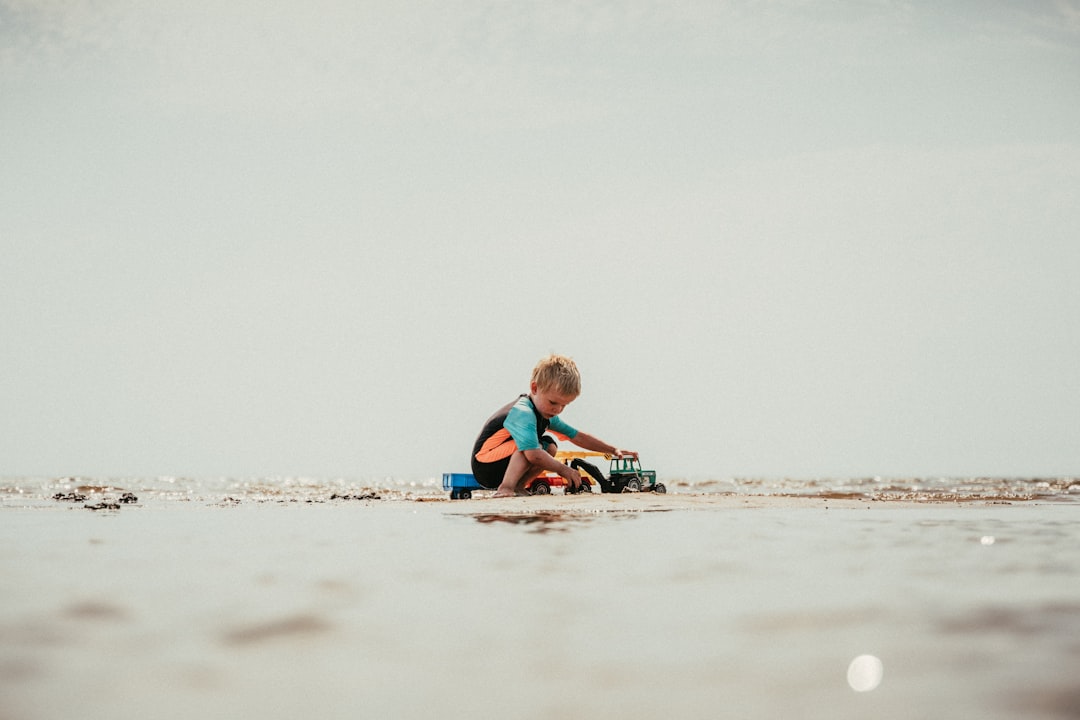
Beach Vacations for Families: Ultimate Guide to Fun & Safety
Are you planning a beach vacation with your family? You are not alone. Millions of families choose beach destinations every year. The sun, sand, and waves create perfect memories. But a great family beach trip needs good planning. This guide will help you plan the perfect vacation. We cover everything from choosing a beach to packing your bags. Get ready for fun in the sun with your loved ones.
Family beach vacations are more than just a holiday. They are a chance to bond. Kids can play freely. Parents can relax a little. Everyone enjoys the fresh air. The sound of waves is calming. Building sandcastles is a classic activity. Swimming together is great exercise. These moments become cherished family stories. However, a bad experience can ruin the trip. Crowded beaches, strong waves, or sunburn can cause stress. Our guide helps you avoid common problems. We want your vacation to be smooth and joyful.
This article is your complete handbook. We will explore the best family-friendly beaches. You will learn how to find calm waters and soft sand. We discuss budget tips and safety rules. You will get packing lists and activity ideas. We also answer frequent questions from parents. Real family stories and statistics are included. Our goal is simple. We want to give you the knowledge for a perfect beach getaway. Let's dive into the world of family beach fun.
Why Choose a Beach Vacation for Your Family?
Beaches offer unique benefits for families. First, they provide a natural playground. Sand and water entertain children for hours. This free play is good for their creativity. Second, beach vacations can suit many budgets. You do not need expensive tickets to theme parks. Nature provides the entertainment. Third, beaches encourage physical activity. Swimming, walking, and playing are all healthy.
Family trips also strengthen relationships. Psychology Today notes that shared experiences create strong bonds. Beach settings are relaxed. This reduces daily stress for parents and kids. Kids learn new skills like swimming or snorkeling. These achievements build confidence. Parents get a break from routine chores. Everyone returns home refreshed.
Furthermore, beaches are educational. Children learn about marine life, tides, and ecosystems. They see shells, birds, and maybe even dolphins. This sparks curiosity about nature. Many coastal towns have museums or aquariums. These can add learning to your fun trip. Finally, beach vacations are versatile. You can have an active holiday with surfing lessons. Or you can have a lazy holiday with books and naps. The choice is yours.
Key Benefits Summarized
- Unstructured Play: Sand and water inspire imagination.
- Health & Fitness: Swimming and walking are great exercise.
- Stress Reduction: Natural settings lower anxiety for all ages.
- Educational Value: Kids discover ocean science and wildlife.
- Budget-Friendly Options: Free natural entertainment reduces costs.
How to Choose the Perfect Family-Friendly Beach
Not all beaches are good for families. You need to find a safe, clean, and fun spot. Look for beaches with gentle waves. These are often called "calm water" beaches. They are usually in bays or protected areas. Strong currents can be dangerous for children. Check the beach flags and warning systems. Many popular destinations use a color-coded flag system. A green flag means safe swimming conditions.
Also, consider the sand quality. Soft, fine sand is best for little feet. It is also better for building sandcastles. Some beaches have rocky or shelly sand. This can hurt children's feet. Look for beaches with gradual depth increase. A slowly sloping seabed is safer for non-swimmers. The water gets deep very slowly. This allows kids to play in shallow water safely.
Amenities are very important for families. Look for beaches with restrooms and showers. Having a place to rinse off sand is a big help. Lifeguards on duty are a major safety plus. The U.S. government advises to always swim near a lifeguard. Other useful amenities include picnic areas, shade, and nearby food options. Some beaches even rent equipment like umbrellas and chairs.
Top Family Beach Criteria Checklist
- Calm Waters: Protected bays or lagoons are ideal.
- Soft Sand: Avoid rocky or pebbly beaches.
- Gentle Slope: The water should get deep slowly.
- Lifeguards: Always choose a supervised beach.
- Clean Facilities: Restrooms, showers, and trash cans are essential.
- Shade Availability: Look for natural shade or rental umbrellas.
- Nearby Amenities: Cafes, shops, and parking make life easier.
Best Beach Destinations for Families Worldwide
Many beaches around the world welcome families. Here are some top picks in different regions. Each offers safety, beauty, and family fun.
North America
Clearwater Beach, Florida, USA: This beach has white sand and calm Gulf waters. It is famous for its family atmosphere. The beach walk has many shops and restaurants. There are often street performers. The Sunsets at Pier 60 festival happens daily. It includes crafts and entertainment for kids.
Coronado Beach, California, USA: Located near San Diego. The sand has a gold color. The waves are usually mild. The famous Hotel del Coronado is nearby. The long, flat beach is perfect for biking and walking. The water is cool but refreshing.
Maui, Hawaii, USA (Baby Beach in Lahaina): This is a protected, shallow pool. A natural rock wall blocks big waves. It is like a giant kiddie pool in the ocean. Perfect for toddlers and young children. The water is warm and clear.
Europe
Costa del Sol, Spain: Many resorts here cater to families. Beaches like Playa de la Malagueta in Malaga are well-equipped. They have playgrounds, showers, and lifeguards. The Mediterranean Sea is generally calm. The weather is sunny most of the year.
Algarve, Portugal: Known for stunning cliffs and caves. Praia da Marinha is very beautiful. For families, Praia de Alvor is better. It has a long sandy beach with a calm river lagoon beside it. The water is shallow and warm.
Asia & Australia
Sentosa Island, Singapore: Palawan Beach is designed for families. It has a pirate ship water playground. The beach is calm and clean. The island has many other attractions like Universal Studios.
Gold Coast, Australia: Broadbeach and Surfers Paradise are iconic. They have great infrastructure. The waves can be big, but there are also calm swimming areas. Many parks and BBQs are nearby. Tourism Australia highlights its family-friendly theme parks too.
Essential Packing List for a Family Beach Trip
Packing right can make your trip much easier. Forget one important item, and your day can be ruined. Here is a comprehensive checklist. Divide it into categories: Beach Bag, Clothing, Safety, and Entertainment.
Beach Bag Essentials
- High SPF Sunscreen: Use SPF 30 or higher. Pack enough for everyone.
- Reef-Safe Sunscreen: If swimming near coral, use sunscreen that does not harm marine life.
- Water Bottles: Stay hydrated. Bring insulated bottles to keep water cool.
- Healthy Snacks: Fruits, granola bars, and sandwiches.
- Beach Towels: At least one per person. Microfiber towels dry fast.
- Wet Bags: For storing wet swimsuits and towels later.
- Trash Bags: Help keep the beach clean. Always pack out your trash.
Safety & Protection Gear
- UPF Swimwear & Rash Guards: These clothes block UV rays. They are better than just sunscreen.
- Wide-Brimmed Hats: For everyone, especially kids.
- UV-Blocking Sunglasses: Protect your family's eyes.
- First-Aid Kit: Include band-aids, antiseptic wipes, sting relief, and any personal medicines.
- Life Jackets/Puddle Jumpers: For children who are not strong swimmers. Do not rely on inflatable toys.
- Whistle: To get attention in an emergency.
Fun & Entertainment
- Sand Toys: Buckets, shovels, molds, and a sieve.
- Beach Ball or Frisbee: For active games.
- Waterproof Phone Pouch: To keep your phone safe and take pictures in the water.
- Books or E-Readers: For quiet time.
- Snorkel Gear: If your kids are old enough, exploring underwater is magical.
Fun Beach Activities for All Ages
Keeping everyone entertained is key. The beach offers endless possibilities. Here are activities for toddlers, kids, teens, and parents.
For Toddlers & Young Kids
- Sandcastle Engineering: Build simple castles or dig big holes.
- Treasure Hunt: Bury plastic coins or shells and let them find them.
- Wave Jumping: Hold their hands and jump over small waves at the shore.
- Shell Collecting: Look for different shapes and colors. Remember to check local rules about taking shells.
For Older Kids & Teens
- Bodyboarding: Easier than surfing and lots of fun in small waves.
- Snorkeling: Explore rock pools or shallow reefs. See fish and maybe a starfish.
- Beach Sports: Set up a game of volleyball, soccer, or paddleball.
- Photography Challenge: Give them a waterproof camera. Ask them to capture the best wave, shell, or sunset.
For the Whole Family
- Sunset Picnic: Pack a special dinner and watch the sun go down.
- Beach Walk at Low Tide: Discover tide pools full of marine life.
- Fly a Kite: Beach winds are often perfect for kite flying.
- Story Time: Read a book about the ocean while listening to the real waves.
Critical Safety Tips for a Worry-Free Vacation
Safety must be your top priority. The ocean is powerful and can change quickly. Follow these rules to protect your family.
Sun Safety
Sunburn is painful and dangerous. The CDC states that just a few serious sunburns can increase skin cancer risk later. Apply sunscreen 30 minutes before going out. Reapply every two hours, or after swimming or sweating. Use a broad-spectrum sunscreen. Seek shade between 10 a.m. and 4 p.m. when the sun is strongest. Wear protective clothing and hats.
Water Safety
Always swim near a lifeguard. Teach children to never turn their back to the ocean. A wave can knock them down. Watch for rip currents. These are strong currents flowing away from shore. If caught in one, do not swim against it. Swim parallel to the shore until you are out of it, then swim in. Never let children swim alone. Use the "touch supervision" rule for young kids. An adult should always be within arm's reach.
General Beach Safety
- Hydration: Drink water often, even if you are not thirsty.
- Foot Protection: Sand can get very hot. Use water shoes on hot sand and in rocky areas.
- Jellyfish & Stingrays: Learn about local marine life. Do the "stingray shuffle" by shuffling your feet in sandy water to scare them away.
- Weather Awareness: Leave the beach immediately if you hear thunder or see lightning.
Planning Your Budget: Saving Money on Your Beach Trip
A family beach vacation does not have to break the bank. With smart planning, you can save a lot of money.
Save on Accommodation
Consider renting a vacation home or condo. This is often cheaper than a hotel for families. You get a kitchen to cook meals. Cooking even a few meals saves a lot. Look for places a few blocks from the beach. The price drops quickly when you are not right on the sand. The walk is good exercise. Travel during the shoulder season (just before or after peak summer). Prices are lower, and beaches are less crowded.
Save on Food & Activities
Pack a cooler with lunches, drinks, and snacks. Beachside restaurants are expensive. Bring your own water bottles to refill. Look for free activities. Playing on the beach is free. Many coastal towns have free events, parks, or museums. Check the local tourism website before you go. Visit Florida lists many free family activities as an example.
Budget Planning Example
Let's plan a budget for a family of four for a 5-day trip.
- Accommodation: $150/night for a condo = $750
- Groceries: $300 for breakfasts, lunches, and snacks
- Dining Out: 3 dinners at $80 each = $240
- Gas/Parking: $100
- Activities: $200 (for one special trip like a boat tour)
- Total Estimated Cost: $1,590
This is much less than an all-inclusive resort. It gives you more control.
Real Family Stories & Statistics
Hearing from other families can be inspiring. Here are some snippets.
The Johnson Family (Kids aged 4 & 7): "We went to Gulf Shores, Alabama. The sand was like powder. Our kids loved the playground on the beach. We rented a beach umbrella for the week. It was worth every penny for the shade. Our best memory was finding a perfect sand dollar."
The Martinez Family (Teenagers 14 & 16): "We tried Costa Rica. The teens learned to surf. We saw monkeys in the trees near the beach. It was an active trip, not just lying around. We all tried new foods. It brought us closer together."
Interesting Beach Vacation Statistics
- According to Statista, beach tourism is a massive global industry.
- A survey by AAA found that road trips to beach destinations are a top summer choice for U.S. families.
- The National Oceanic and Atmospheric Administration (NOAA) educates on keeping beaches clean, showing its importance to communities.
Practical Tips & Step-by-Step Guide to Planning
Let's break down the planning process into simple steps.
Step 1: Choose Your Destination & Time (6-12 months before)
Discuss with your family. Do you want calm water or big waves? A busy town or a quiet spot? Check school calendars. Look at average weather for your chosen dates. Read reviews from other families on travel sites.
Step 2: Book Major Items (4-6 months before)
Book your flights and accommodation early for the best prices. If driving, plan your route. Consider travel insurance, especially for expensive trips.
Step 3: Plan Activities & Make Lists (2 months before)
Research free and paid activities. Make a rough daily schedule. Start a packing list. Order any special gear online (like rash guards).
Step 4: Final Preparations (1 week before)
Check the weather forecast. Confirm all bookings. Start packing non-essential items. Buy sunscreen and snacks. Talk to your kids about beach safety rules.
Step 5: Enjoy & Be Flexible (During the trip)
Stick to your plan loosely. If kids are tired, have a quiet day. If they are full of energy, try a new activity. The goal is fun, not checking off a list.
Frequently Asked Questions (FAQ)
1. What is the best age to take a child to the beach?
You can take babies to the beach. Keep them in full shade, hydrated, and protected from the sun. Toddlers around 2-3 years old often enjoy it the most. They love playing in the sand and shallow water.
2. How do I protect my child from swallowing seawater?
Seawater can make kids sick. Teach them to keep their mouths closed when jumping waves. Give them fresh water to drink often. This reduces their urge to drink salt water.
3. Are all-inclusive resorts good for family beach vacations?
They can be very convenient. Food and activities are included. This simplifies budgeting. However, they can be expensive. You also might not explore the local area as much. Compare prices with a self-catering rental.
4. What should I do if my child gets a jellyfish sting?
First, get them out of the water. Rinse the area with vinegar if available. Do not use fresh water or rub the area. Remove any tentacles with tweezers. Soak in hot water (not scalding) for 20-45 minutes. Seek medical help if there is a severe reaction or the sting is large.
5. How can I make a long car ride to the beach easier for kids?
Pack plenty of snacks, water, and entertainment. Use audiobooks or music playlists. Plan frequent stops at parks or rest areas. Let kids run around during stops. Travel during nap times if possible.
6. Is it safe to collect shells and sea glass?
Usually, yes. It is a fun activity. But always check local regulations. Some protected areas forbid removing natural items. Also, make sure no living creature is inside the shell before you take it.
7. What is the single most important safety item?
A vigilant adult. No toy or gear replaces active supervision. Always watch your children near the water. Put down your phone and be present.
Conclusion: Your Perfect Beach Awaits
Planning a family beach vacation is exciting. It promises laughter, relaxation, and adventure. With the right preparation, you can create wonderful memories. Remember the key points. Choose a safe, family-friendly beach. Pack all the essentials, especially sun protection. Plan fun activities for everyone. Always put safety first, both in the sun and the water.
Do not stress about making everything perfect. Some of the best memories come from unplanned moments. A sudden rain shower, a discovered crab, a shared ice cream. These are the moments you will remember. Use this guide as your starting point. Adapt it to your family's needs and interests. The world's beaches are waiting for you. Grab your sunscreen, pack your bags, and get ready for sand between your toes. Your ultimate family beach vacation is just a plan away. Start dreaming, start planning, and soon you will be making memories that last a lifetime.