
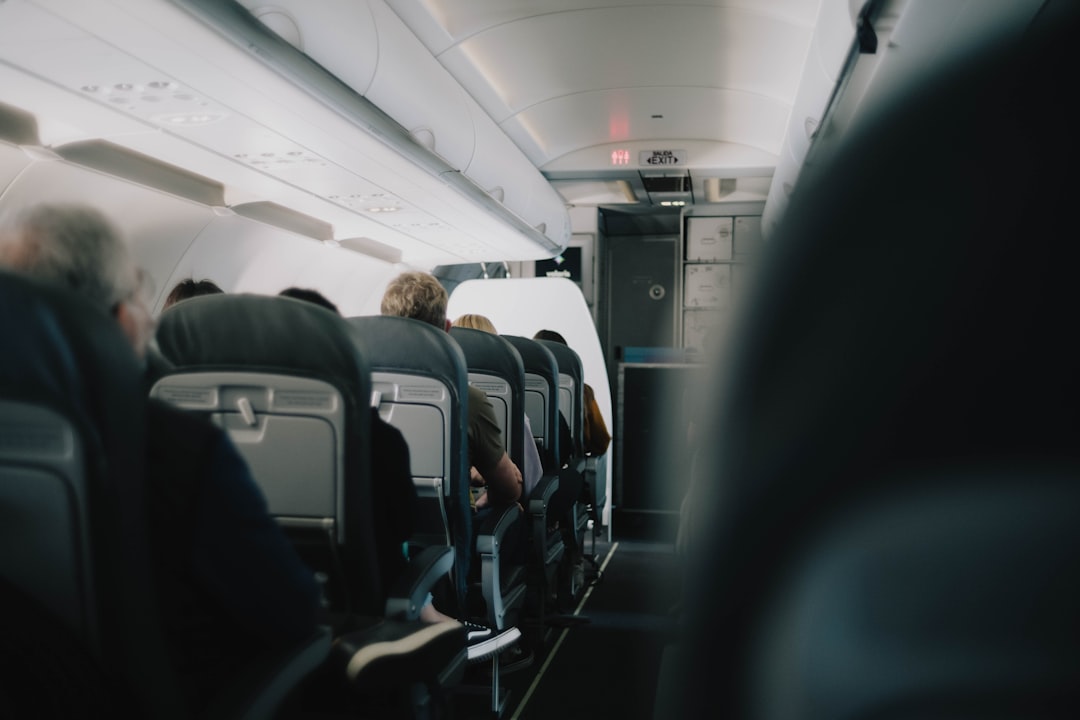
Airplane Seat Etiquette: The Unspoken Rules of Reclining
Introduction: The Great Airplane Seat Debate
Air travel brings people together. But it also creates tension. One major source of conflict? The airplane seat recline button. This small button causes big arguments. Should you recline your seat? When is it okay? What are the rules? We asked seven frequent fliers. They travel constantly for work and pleasure. They shared their wisdom about seat reclining. Their experiences cover millions of miles. They have seen it all. From polite requests to full-blown arguments. This guide shares their collective knowledge. You will learn when to recline. You will learn when not to recline. Most importantly, you will learn how to avoid conflicts. Air travel should be enjoyable for everyone. Following these rules helps make that happen.
The airplane seat recline debate is not new. It has existed since seats first gained this feature. According to CNN Travel, this debate intensified as legroom decreased. Airlines keep reducing space between rows. This makes reclining more impactful. Your decision affects the person behind you directly. Understanding this impact is crucial. Our seven experts explain how to navigate this delicate situation. They come from different backgrounds. Some are business travelers. Others are vacationers. All agree on one thing: courtesy matters most.
Why Seat Reclining Causes So Much Conflict
Airplane seats are closer together than ever before. The Federal Aviation Administration notes seat pitch has decreased significantly. Seat pitch is the distance between rows. In the 1970s, average seat pitch was 34-35 inches. Today, it is often 28-31 inches. This reduction means less personal space. When you recline your seat, you take space from the person behind you. This can make them feel cramped. It can limit their ability to use their tray table. It can make them uncomfortable during meals. Understanding this perspective is important.
The Psychology of Personal Space
Humans need personal space. This is true everywhere. But especially on airplanes. The American Psychological Association explains personal space boundaries. When these boundaries are crossed, people feel stressed. Airplane seats already invade personal space. Reclining makes this worse. The person behind you may feel trapped. They cannot move away. This creates tension. Recognizing this psychological effect helps you make better decisions.
Physical Comfort Considerations
Reclining affects physical comfort too. Tall people suffer most. Their knees may press against the seat in front. When that seat reclines, pressure increases. This can cause pain on long flights. People with mobility issues also struggle. Getting out of a window seat becomes harder. The reclined seat blocks their path. Elderly passengers and children face similar challenges. Being aware of these physical impacts promotes empathy.
The Seven Frequent Fliers' Core Rules
Our seven experts agreed on several key rules. These rules form the foundation of good seat etiquette. They apply to most situations. Following them will make your flights more pleasant. They will also make you a considerate traveler.
Rule 1: Never Recline During Meal Service
This is the most important rule. All seven fliers emphasized this point. When meal service begins, return your seat to upright position. This allows the person behind you to eat comfortably. Their tray table needs proper space. A reclined seat makes eating difficult. Food can spill. Drinks may tip over. Once meal service ends, you may recline again. But always check behind you first. Make sure the person has finished eating.
Rule 2: Always Check Before Reclining
Never recline without looking behind you. Check what the person is doing. Are they working on a laptop? The screen may not tilt enough. Are they tall? Their knees might be against your seat. Are they sleeping? Reclining slowly might not wake them. A quick glance prevents problems. It shows respect for your fellow passenger. One expert suggests: "If you would not want someone to do it to you, do not do it to them."
Rule 3: Recline Slowly and Gradually
Sudden reclining startles people. It can spill drinks. It can knock over items. It definitely annoys people. Instead, recline slowly. Take 10-15 seconds to go back fully. This gives the person behind time to adjust. They can move their laptop. They can secure their drink. They can prepare for the change. One expert calls this "the polite recline." It makes a big difference in passenger reactions.
Rule 4: Consider Flight Length and Time
Short flights under two hours rarely need reclining. Day flights are different from night flights. On overnight flights, most people recline to sleep. This is generally accepted. On day flights, many people work or watch movies. Reclining may inconvenience them. Think about the flight duration. Think about the time of day. Adjust your reclining accordingly.
Rule 5: Be Prepared to Compromise
Sometimes the person behind you will ask you not to recline. They may have a good reason. Be open to discussion. Maybe you can recline only halfway. Perhaps you can wait until they finish working. Being flexible creates goodwill. Remember: you are sharing a small space. Cooperation makes it better for everyone.
Special Situations and Exceptions
Some situations require extra consideration. These circumstances call for modified behavior. Understanding these exceptions makes you a better traveler.
When Sitting Behind Children
Children often kick seats. They move constantly. If you are behind a child, reclining might increase contact. This could lead to more kicking. Consider whether reclining is worth it. Sometimes staying upright avoids problems. If the child is sleeping, reclining might be fine. Use your judgment based on the specific situation.
Premium Cabins and Extra Space Seats
First class and business class have more space. According to The Points Guy, these seats offer greater privacy. Reclining has less impact here. The person behind you has ample room. You can recline more freely. However, basic courtesy still applies. Check before reclining during meals. Recline slowly. These rules never become irrelevant.
Emergency Exit Rows and Bulkhead Seats
Seats in emergency exit rows cannot recline. This is a safety requirement. The FAA mandates this rule. Bulkhead seats often have limited recline too. If you need to recline, avoid these seats. If you are behind them, you have nothing to worry about. The seat in front cannot recline into your space.
Practical Tips for Polite Reclining
These actionable tips will improve your flying experience. They come directly from our frequent fliers. Implement them on your next flight.
- Communicate clearly: Tell the person behind you when you plan to recline. A simple "Is it okay if I recline my seat?" works wonders.
- Time your recline: Avoid reclining during peak activity times. Wait until the movie starts or lights dim.
- Partial recline option: Most seats recline in stages. Try reclining only halfway first. This gives the person behind more space.
- Be responsive to requests: If someone asks you to adjust your seat, do so politely. They probably have a good reason.
- Watch for laptops: Laptop screens have limited angles. If someone is working, consider waiting until they finish.
- Morning vs. evening flights: On early morning flights, people often sleep. Reclining is more acceptable. On evening flights, people may be dining or working.
- Consider your own needs: If you have back problems or need to sleep, recline is reasonable. Just be mindful of others.
What to Do When Conflicts Arise
Despite best efforts, conflicts sometimes happen. Handling them properly prevents escalation. Our experts shared their conflict resolution strategies.
The Polite Request Approach
If someone reclines into your space, be polite. Say: "Excuse me, would you mind raising your seat a bit? I am having trouble using my laptop." Most people respond positively to polite requests. Avoid aggressive language. Do not push the seat forward violently. This creates more conflict.
Involving Flight Attendants
If direct communication fails, seek help. Flight attendants are trained mediators. Explain the situation calmly. They may suggest a compromise. Sometimes they can move one passenger to another seat. According to TSA guidelines, crew members have authority to resolve disputes. Let them handle difficult situations.
Choosing Your Battles
Not every reclining incident requires confrontation. On overnight flights, everyone reclines. This is normal. If the flight is short, maybe you can tolerate the recline. Consider the duration and circumstances. Sometimes acceptance is the best policy.
Frequently Asked Questions About Seat Reclining
Is it rude to recline your airplane seat?
Not necessarily. It depends on how and when you recline. Reclining slowly during appropriate times is acceptable. Reclining suddenly during meals is rude. Context matters most.
Can I recline my seat during takeoff and landing?
No. Airlines require seats upright during takeoff and landing. This is a safety rule. Flight attendants will ask you to adjust your seat.
What if the person behind me gets angry when I recline?
Stay calm. Explain that reclining is a standard seat feature. Offer to compromise. You might recline only partially. If they remain angry, involve a flight attendant.
Are there airlines that don't allow reclining?
Some low-cost carriers have non-reclining seats. Southwest Airlines has limited recline. Most major airlines still offer reclining seats.
How much space does reclining actually take?
Typically 2-5 inches. This varies by aircraft and seat type. While it seems small, in tight spaces it feels significant.
Should I recline on short flights?
Generally no. Flights under two hours do not require reclining for comfort. Save reclining for longer journeys.
What if I have medical needs that require reclining?
Inform the flight attendant when boarding. They may help arrange appropriate seating. You can also explain your situation to the person behind you.
Statistics and Data About Airline Seating
The Airlines for America organization tracks industry data. Their research shows interesting trends. Seat width has decreased from 18.5 inches to 17 inches on many aircraft. Seat pitch has dropped from 35 inches to 30-31 inches in economy. These changes make personal space more valuable. Meanwhile, ICAO reports show passenger numbers growing yearly. More people flying means more potential conflicts. Understanding these numbers helps explain why seat etiquette matters.
Real Examples from Our Frequent Fliers
Our experts shared specific experiences that taught them lessons.
The Business Traveler's Story
Mark flies weekly for work. He once reclined during meal service without looking. He spilled red wine on the person behind him. The stain ruined the man's white shirt. Mark learned to always check before reclining. He now waits until trays are cleared.
The Family Vacation Lesson
Sarah traveled with her young children. She reclined to help her child sleep. The man behind complained loudly. Instead of arguing, Sarah explained her situation. The man turned out to be a grandfather himself. He understood and became more patient. Communication solved the problem.
The Overnight Flight Experience
David takes regular overnight flights to Asia. He notices that when the cabin lights dim, most people recline. This creates a domino effect. Those who remain upright have people reclining toward them. On night flights, reclining is the norm. Resisting it only causes frustration.
Step-by-Step Guide to Polite Reclining
- Check your surroundings: Look behind you. See what the person is doing.
- Assess the timing: Is it meal time? Are people working? Wait for an appropriate moment.
- Communicate if possible: Tell the person you plan to recline.
- Recline slowly: Take at least 10 seconds to reach full recline.
- Be responsive: If someone asks you to adjust, do so politely.
- Return to upright for meals: When food service begins, bring your seat forward.
- Consider partial recline: Sometimes halfway back provides comfort without invading space.
Conclusion: Creating a Better Flying Experience for Everyone
Airplane seat reclining does not have to cause conflict. Following basic etiquette prevents most problems. The key is consideration for others. Check before reclining. Recline slowly. Avoid reclining during meals. Be open to compromise. These simple actions make flights more pleasant for everyone. Remember that you share the cabin with other people. They have needs and comfort requirements too. Balancing your comfort with theirs is the goal.
The seven frequent fliers we interviewed agree: courtesy is contagious. When you treat others respectfully, they tend to respond in kind. This creates a positive atmosphere throughout the cabin. Air travel can be stressful enough without seat conflicts. By following these unspoken rules, you contribute to a better experience for all passengers. Next time you fly, remember these guidelines. They will help you navigate the reclining decision with confidence and consideration.