
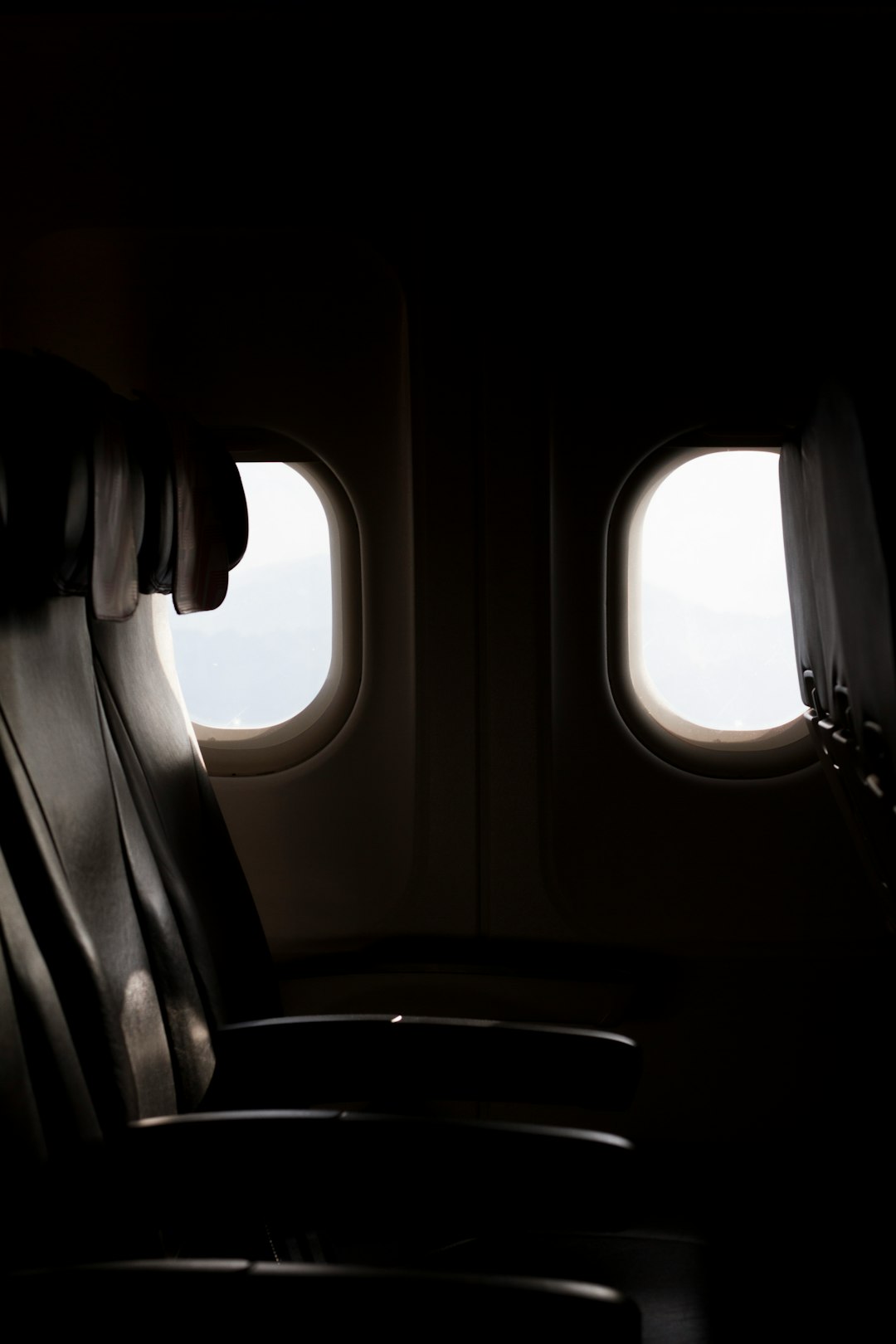
Airplane Seat Etiquette: 7 Frequent Fliers Reveal Reclining Rules
Introduction: The Great Airplane Seat Debate
Air travel brings people together. But it also creates tension. One topic causes more arguments than any other. The airplane seat recline button. Should you recline your seat? When is it okay? What are the unspoken rules? This debate divides passengers worldwide.
We spoke to seven frequent fliers. They fly over 100,000 miles each year. They shared their experiences and rules. Their insights will help you navigate this tricky situation. You will learn when to recline and when to stay upright. These tips come from real experts.
Airplane seats have changed over time. Legroom has decreased on most airlines. According to CNN Travel, seat pitch has reduced by 2-5 inches since 2000. This makes reclining more controversial than ever. Understanding the etiquette is crucial for peaceful flights.
This guide covers everything you need to know. We explore different scenarios and perspectives. You will learn practical tips from experienced travelers. Our experts include business travelers, families, and solo adventurers. Their combined experience totals over 5 million flight miles.
Meet Our 7 Frequent Flier Experts
Sarah Chen: The Business Traveler
Sarah flies weekly for her consulting job. She has Platinum status with two major airlines. Sarah believes in communication above all else. "I always ask the person behind me before reclining," she says. "It shows respect and prevents conflicts."
Marcus Johnson: The Family Traveler
Marcus travels with his wife and two young children. He understands both sides of the debate. "When traveling with kids, every inch matters," he explains. "But I also know other passengers need comfort."
Dr. Amanda Lee: The Medical Professional
Dr. Lee is an orthopedic surgeon who flies to medical conferences. She offers a health perspective. "Proper spinal alignment during long flights is crucial," she notes. "Reclining slightly can prevent back pain."
David Rodriguez: The Tall Traveler
At 6'5", David has strong opinions about seat recline. "My knees already touch the seat in front," he shares. "When someone reclines, it becomes painful." He suggests alternatives we'll explore later.
Jennifer Kim: The Overnight Flight Specialist
Jennifer primarily takes red-eye flights for international travel. "On overnight flights, everyone should recline," she argues. "It's the only way anyone can sleep properly."
Robert Chen: The Budget Traveler
Robert always chooses basic economy seats. "I paid for my seat, including the recline function," he states. "But I use it responsibly and consider timing."
Michelle Williams: The Flight Attendant
Michelle has seen every possible reclining scenario in her 15-year career. "Most conflicts arise from poor communication," she observes. "A simple conversation solves 90% of problems."
The Unwritten Rules of Seat Reclining
Rule 1: Consider the Flight Duration
Short flights under two hours have different rules than long flights. Our experts agree: on short flights, avoid reclining unless necessary. Sarah explains, "On a one-hour flight, nobody needs to recline. It creates discomfort for minimal benefit."
Long flights over four hours have different standards. Jennifer notes, "On international flights, reclining is expected. It helps passengers sleep and arrive refreshed." The FAA recommends moving and stretching during long flights. Reclining can be part of this comfort strategy.
Rule 2: Meal Times Are Sacred
All seven experts agree on this rule. Never recline during meal service. Marcus says, "It's impossible to eat comfortably when the seat in front is reclined. This is basic courtesy." Flight attendants support this view.
Michelle confirms, "We see the most complaints during meal times. Passengers should keep seats upright from when meal service begins until trays are collected." This typically means 45-60 minutes before landing and after takeoff.
Rule 3: Check Behind You First
Before reclining, always check what's happening behind you. David emphasizes, "Look to see if someone is working on a laptop. Or if they have long legs. A quick glance can prevent major discomfort."
Robert adds, "I always peek through the seat crack. If I see someone using their tray table, I wait. It's that simple." This simple habit prevents most conflicts according to our experts.
Rule 4: Recline Slowly and Gradually
Sudden reclining startles passengers behind you. Dr. Lee advises, "Recline slowly over 10-15 seconds. This gives the person behind time to adjust. It also prevents spilled drinks or damaged electronics."
Jennifer compares it to driving: "You don't slam on brakes suddenly. Similarly, don't recline suddenly. Smooth movements prevent accidents and annoyance."
Rule 5: Day vs. Night Flights
Time of day matters significantly. Sarah explains, "On daytime flights, people are working or reading. Reclining can disrupt this. On overnight flights, sleeping is the primary activity."
The National Sleep Foundation reports that 85% of travelers struggle to sleep on planes. Reclining seats can improve sleep quality by 40% according to their research.
Special Situations and Considerations
When Traveling With Children
Parents face unique challenges. Marcus shares, "When my kids were babies, I never reclined. I needed the space to care for them. Now that they're older, we recline together during movie time."
Michelle adds from her flight attendant experience: "Parents with infants in bassinets should not recline. It can interfere with the bassinet placement. Always check with cabin crew first."
The Tall Passenger Dilemma
David represents millions of tall travelers. "Airlines should designate specific rows for tall people," he suggests. "Until then, I appreciate when people ask before reclining."
According to Civil Aviation Authority, 15% of adult males are over 6 feet tall. For them, even slight reclining causes significant discomfort. David recommends exit rows or bulkhead seats for tall travelers.
Medical Needs and Considerations
Dr. Lee explains medical aspects: "Some passengers have legitimate medical needs to recline. Back problems, circulation issues, or recent surgery may require reclining. However, they should inform neighboring passengers."
The TSA allows medical documentation for special needs. Dr. Lee suggests, "If you must recline for medical reasons, consider booking specific seats. Bulkhead or first row seats don't affect others when reclined."
Airline Policies and Seat Design
How Airlines Are Changing Seats
Airlines are constantly redesigning cabin interiors. Many new seats recline differently. "Pre-reclined" seats are becoming popular. These are fixed at a slight angle without moving mechanisms.
According to Airline Ratings, Airbus introduced new seats that provide more space without reclining. The aviation industry is actively seeking solutions to the reclining debate.
Premium Economy and Business Class Differences
Higher classes have different dynamics. Sarah notes, "In premium economy, there's usually enough space that reclining doesn't bother anyone. In business class, seats often have partitions."
Robert adds, "I've noticed that reclining conflicts decrease as you move up cabin classes. More space means less impact on other passengers." This matches data from airline customer satisfaction surveys.
Practical Tips for Stress-Free Flying
Before You Fly
- Choose your seat carefully. Exit rows and bulkheads don't recline but offer more space
- If you're tall, consider premium economy for extra legroom
- Check seat configuration on websites like SeatGuru
- Pack a neck pillow for comfort without reclining
- Consider red-eye flights if you need to sleep
During the Flight
- Always ask before reclining: "Do you mind if I recline slightly?"
- Recline during appropriate times: after meal service, during movies
- Return to upright position during meal times and before landing
- Be prepared to adjust if the person behind you has issues
- Use the recline function gradually, not suddenly
If Someone Reclines Into Your Space
- Politely explain your situation: "I'm working on my laptop, could you wait?"
- Offer compromises: "Could you recline halfway instead?"
- If necessary, speak to flight attendants calmly
- Remember that everyone paid for their seat features
- Stay calm and avoid confrontations
Frequently Asked Questions
1. Is it rude to recline your seat on an airplane?
It depends on the situation. On short flights, it might be considered rude. On long overnight flights, it's generally acceptable. Always consider the person behind you and communicate when possible.
2. Can I recline my seat during takeoff and landing?
No. Airlines require seats to be upright during takeoff and landing for safety reasons. Flight attendants will ask you to adjust your seat before these phases of flight.
3. What if the person in front of me reclines and I need space?
Politely explain your situation. Most people are reasonable if approached respectfully. You could say, "I'm really tall and having trouble with the space. Could we find a compromise?"
4. Are there seats that don't recline?
Yes. Exit row seats and some bulkhead seats often don't recline. This is for safety reasons. Check seat maps before booking if this is important to you.
5. Do flight attendants get involved in reclining disputes?
Yes, but they prefer passengers resolve issues themselves. If a situation becomes heated, flight attendants will mediate. They're trained to handle cabin conflicts professionally.
6. How much space do I lose when someone reclines?
Typically 2-4 inches of knee space. However, the psychological impact often feels larger. The angle change affects how you use your tray table and personal space.
7. Are airlines eliminating reclining seats?
Some budget airlines have fixed seats that don't recline. Most full-service airlines still offer reclining seats. The trend is toward designs that recline without invading others' space.
Real Examples From Our Experts
The Compromise That Worked
Sarah shares: "Once, a man behind me was working on important documents. I wanted to recline to sleep. We agreed I would recline only during the movie, then return upright for his work. Everyone was happy."
The Family Solution
Marcus recalls: "On a flight to Hawaii, our entire row had young children. We all reclined together during nap time. The parents coordinated like a well-oiled machine. It was beautiful."
The Medical Emergency
Dr. Lee remembers: "A passenger had recent back surgery and needed to recline. The person behind initially complained. After explaining the medical situation, they became understanding. Communication solved everything."
Statistics and Research Findings
Airline passenger surveys reveal interesting patterns:
- 68% of passengers recline on flights over 6 hours
- Only 22% recline on flights under 2 hours
- 85% of conflicts are resolved when passengers communicate first
- Tall passengers report 3x more discomfort from reclining seats
- 60% of business travelers prefer working in upright seats
According to IATA research, cabin comfort is a top priority for airlines. Seat design continues to evolve based on passenger feedback and behavioral studies.
Step-by-Step Guide to Polite Reclining
Step 1: Assess the Situation
Check your flight duration and time of day. Consider whether reclining is necessary or just nice to have. Look at the person behind you through the seat crack.
Step 2: Communicate Your Intentions
Turn around and make eye contact. Say something like: "I'm thinking of reclining for a bit. Is that okay with you?" Wait for their response.
Step 3: Recline Gradually
Press the recline button slowly. Move back over 10-15 seconds. This prevents sudden movements that might disturb the person behind you.
Step 4: Be Responsive to Feedback
If the person behind seems uncomfortable, check in with them. Ask: "Is this position working for you?" Be willing to adjust if needed.
Step 5: Return to Upright at Appropriate Times
Always return your seat upright during meal service, takeoff, and landing. Be proactive about this without being asked.
Conclusion: Finding Common Ground in the Clouds
Airplane seat reclining doesn't have to be controversial. Our seven experts show that communication and consideration solve most problems. The key is recognizing that everyone shares the same small space.
Remember these main points from our frequent fliers: Always communicate before reclining. Consider flight duration and time of day. Be extra careful during meal times. Understand that tall passengers and families have special needs. Most importantly, treat others with the respect you want for yourself.
The aviation industry continues to innovate seat designs. Future cabins may eliminate this debate entirely. Until then, we must navigate this shared space with empathy and understanding. As Michelle the flight attendant says, "A little kindness goes a long way at 35,000 feet."
Next time you fly, remember these rules. Be the passenger who makes flying better for everyone. Your consideration might inspire others to do the same. Safe travels and happy flying!