
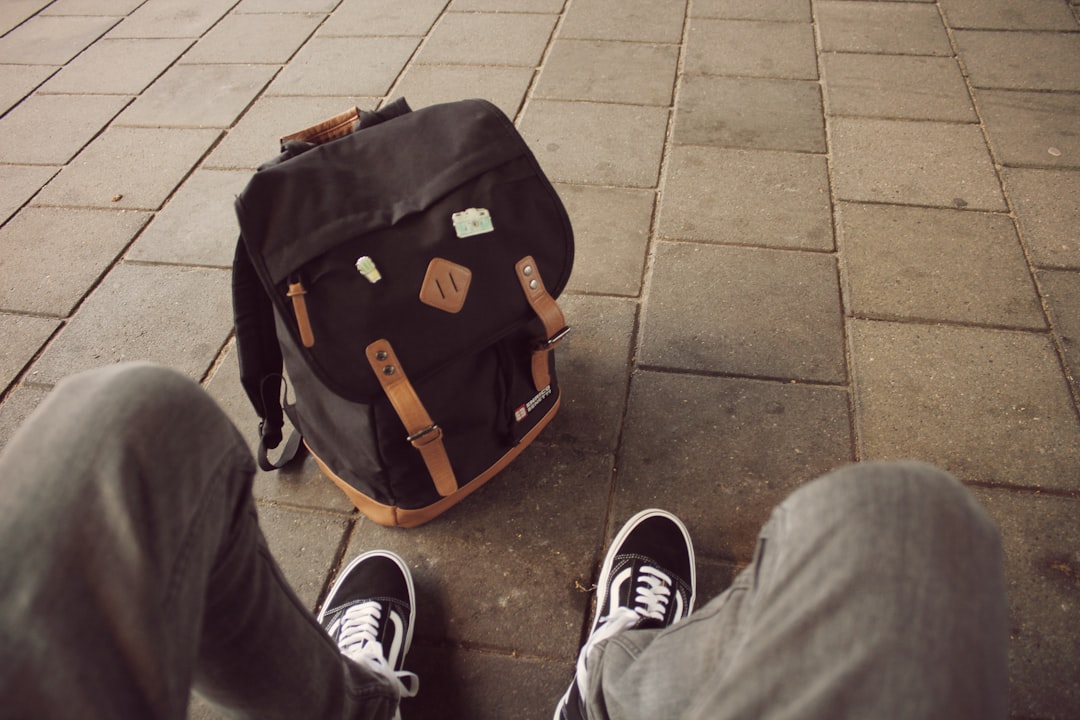
8 Travel Must-Haves That Will Change Your Trips Forever
Introduction: The Art of Smart Packing
Packing for a trip can feel overwhelming. Many people struggle with this task. They either pack too much or forget important items. This guide will solve your packing problems forever. We will show you exactly what to bring on your next adventure. You will also learn what items to leave behind. Smart packing makes travel easier and more enjoyable. It reduces stress and saves money. You will not pay extra for heavy bags. Your back will thank you too. According to a TSA study, most travelers overpack by 30%. This means they bring items they never use. Our guide is based on real travel experience and research. We interviewed frequent travelers and packing experts. Their advice will help you pack like a pro. Remember, good packing is about making smart choices. It is not about bringing your entire home. Let us begin our journey to better packing.
Travel should be about experiences, not stuff. The right items can make your trip smoother. The wrong items can create headaches. Imagine arriving at your destination feeling prepared. You have everything you need. Nothing is missing. Your bag is light and organized. This is possible with our simple system. We will cover eight essential items that deserve space in your luggage. We will also explain why common packing mistakes happen. Plus, we will share what popular items you should avoid. Our tips work for all types of travel. They help whether you are going to the beach or the city. They work for short trips and long vacations. Get ready to transform how you pack. Your future self will thank you during your next adventure.
Why Smart Packing Matters More Than You Think
Good packing skills improve your entire travel experience. They save you time, money, and energy. Let us explore why this matters. First, airlines charge high fees for heavy bags. AAA reports that baggage fees average $30-$40 per bag. Some airlines charge even more. These fees add up quickly. Second, heavy bags are hard to carry. They can cause back pain and fatigue. This is especially true if you are walking through airports or cities. Third, overpacking creates clutter. It makes finding items difficult. You waste time searching through your stuff. A well-packed bag is organized and efficient.
The Real Cost of Overpacking
Overpacking has hidden costs beyond airline fees. It can ruin your trip in unexpected ways. For example, a heavy bag makes you tired before you even start exploring. It can also limit your mobility. Imagine trying to navigate crowded streets with a huge suitcase. It is not fun. Research from Travel + Leisure shows that 65% of travelers regret overpacking. They wish they had packed lighter. Another study found that people use only 50% of what they pack. This means half their luggage space is wasted.
Benefits of Minimalist Packing
Minimalist packing has many advantages. It gives you freedom and flexibility. You can move easily between locations. You spend less time packing and unpacking. Your mind feels clearer with less clutter. Many experienced travelers swear by this approach. They often travel with just a carry-on bag. This is possible even for long trips. The key is choosing versatile items. We will show you how later in this guide.
The 8 Essential Items You Should Always Pack
Now let us dive into our essential packing list. These eight items will serve you well on any trip. They are practical, versatile, and reliable. We chose them based on traveler feedback and expert advice.
1. Universal Power Adapter
A universal power adapter is a travel must-have. Different countries use different power outlets. This small device solves that problem. It works in over 150 countries. You can charge your phone, camera, and other devices. Look for one with USB ports. This lets you charge multiple devices at once. According to Consumer Reports, a good adapter should have surge protection. This protects your electronics from power spikes. Never travel without this item. It is small but incredibly useful.
2. Packing Cubes
Packing cubes will change how you pack. These fabric containers organize your luggage. You can separate clothes by type or day. This makes finding items easy. It also compresses your clothes. This saves space in your bag. Wirecutter recommends packing cubes for all travelers. They come in different sizes and colors. You can assign each color to a family member. This keeps everyone's items separate. Packing cubes also make unpacking simple. You can place them directly in hotel drawers.
3. Portable Power Bank
Your electronic devices need power. A portable power bank ensures you never run out. It is essential for long travel days. You can charge your phone during flights or bus rides. This is especially important for navigation and communication. Choose a power bank with at least 10,000 mAh capacity. This can charge most phones 2-3 times. Look for one with fast charging capability. The FAA allows power banks in carry-on bags. But they must be in your carry-on, not checked luggage.
4. Quick-Dry Travel Towel
A quick-dry towel is versatile and practical. It is lightweight and packs small. Unlike regular towels, it dries quickly. This prevents mold and odors. Use it at the beach, pool, or gym. Some hostels charge for towel rental. Having your own saves money. These towels are usually made of microfiber. They are highly absorbent but thin. REI recommends quick-dry towels for all travelers. They come in different sizes. Choose one based on your needs.
5. First Aid Kit
Safety should always come first. A basic first aid kit is essential. It should include bandages, antiseptic wipes, pain relievers, and any personal medications. You can buy a ready-made kit or create your own. The American Red Cross offers quality first aid kits. Remember to include any prescription medicines. Bring enough for your entire trip plus extra. You never know when travel delays might occur. A small first aid kit takes little space but provides big peace of mind.
6. Reusable Water Bottle
Staying hydrated is crucial when traveling. A reusable water bottle helps you drink enough water. It is better for the environment than plastic bottles. It also saves money. Many airports have water refill stations. Look for a bottle that is lightweight and leak-proof. Some bottles have built-in filters. These are great for countries where tap water is not safe. According to EPA data, plastic bottle waste is a major environmental problem. Your reusable bottle makes a difference.
7. Multi-Tool or Swiss Army Knife
A multi-tool is incredibly useful. It can fix broken items, open bottles, cut tape, and more. Choose one with the tools you will actually use. Remember that you cannot carry these in carry-on luggage. They must go in checked bags. The TSA has specific rules about multi-tools. Check these before you pack. A good multi-tool can solve many problems during your trip.
8. Digital Copies of Important Documents
Always have digital copies of your important documents. This includes your passport, ID, insurance cards, and travel itinerary. Save them in a secure cloud storage service. Also keep copies on your phone. This helps if your documents get lost or stolen. According to U.S. Department of State, losing your passport abroad is stressful. Digital copies make replacement easier. You can access them from anywhere with internet.
What to Leave at Home: Common Packing Mistakes
Now let us discuss what not to pack. Many people bring items they do not need. This wastes space and adds weight. Here are the most common packing mistakes to avoid.
Too Many Shoes
Shoes take up a lot of space. Limit yourself to three pairs maximum. Choose versatile shoes that work for different activities. For example, comfortable walking shoes, dress shoes, and sandals. Do not bring shoes for every possible occasion. Most trips do not require special footwear. According to packing experts, shoes are the most overpacked item.
Full-Size Toiletries
Full-size toiletries are heavy and bulky. They often leak in luggage. Instead, use travel-sized containers. You can buy small bottles or transfer products into them. Many hotels provide basic toiletries. You can also buy what you need at your destination. This saves valuable space in your bag.
Expensive Jewelry
Leave expensive jewelry at home. It can get lost or stolen. It also attracts unwanted attention. If you want accessories, bring inexpensive pieces. Costume jewelry works well for most trips. It looks nice but is not valuable. This gives you peace of mind while traveling.
Too Many Clothes
Most people pack too many clothes. A good rule is to pack half of what you think you need. Choose clothing that can be mixed and matched. Neutral colors work best. You can create multiple outfits from few items. Also consider doing laundry during your trip. Many hotels have laundry services.
Books
Physical books are heavy. Instead, bring an e-reader or use reading apps on your phone. You can carry hundreds of books in one small device. This saves significant weight and space. Most hotels have books you can borrow if you prefer physical books.
Practical Packing Tips and Strategies
Now let us explore some practical packing strategies. These tips will help you pack efficiently every time.
The Rolling Method
Roll your clothes instead of folding them. This saves space and reduces wrinkles. It also makes it easier to see all your items. The rolling method works well with packing cubes. Many frequent travelers swear by this technique.
Create a Packing List
Always use a packing list. This ensures you do not forget important items. You can find templates online or create your own. Check items off as you pack them. Keep your list for future trips. You can improve it over time based on your experience.
Pack for Your Destination
Research your destination before packing. Check the weather forecast. Understand local customs and dress codes. Some places require modest clothing. Others have specific cultural norms. Packing appropriately shows respect for local culture.
Use the 80/20 Rule
The 80/20 rule applies to packing. You will wear 20% of your clothes 80% of the time. Identify these favorite items and pack them. Leave behind clothes you rarely wear. This simple principle helps eliminate unnecessary items.
Step-by-Step Packing Guide
Follow this simple packing process for best results. It works for any type of trip.
Step 1: Preparation (1 Week Before)
Start preparing one week before your trip. Create your packing list. Gather all items you plan to bring. Lay them out on your bed or floor. This gives you time to notice missing items. You can also do laundry if needed.
Step 2: The Edit (3 Days Before)
Three days before your trip, edit your items. Remove anything you do not absolutely need. Be ruthless during this stage. Ask yourself: "Will I really use this?" If not, remove it. This is when you apply the 80/20 rule.
Step 3: Final Packing (1 Day Before)
Pack your bag one day before departure. Use packing cubes and the rolling method. Place heavier items at the bottom. Put items you need during travel in easy-to-reach places. Weigh your bag to avoid overweight fees.
Step 4: Last-Minute Items
Keep a small list of last-minute items. These include your phone, charger, wallet, and passport. Pack these right before you leave. This ensures you do not forget them in the rush.
Frequently Asked Questions
How many outfits should I pack for a week-long trip?
Pack 4-5 versatile outfits for a week-long trip. Choose items that mix and match well. You can create different combinations. Plan to do laundry during your trip if needed. This approach saves space and weight.
Should I pack valuable items in checked luggage?
Never pack valuable items in checked luggage. This includes electronics, jewelry, and important documents. Always keep these in your carry-on bag. Checked luggage can get lost or delayed. Valuable items are safer with you.
What is the best way to pack liquids?
Pack liquids in sealable plastic bags. This prevents leaks from ruining your clothes. Use travel-sized containers that meet airline requirements. Place these bags in an easy-to-reach spot. You may need to show them at security.
How can I prevent wrinkled clothes?
The rolling method reduces wrinkles. You can also use packing cubes. Another tip: hang clothes in the bathroom during a hot shower. The steam helps remove wrinkles. Many hotels provide irons if needed.
What should I do if my luggage is lost?
Immediately report lost luggage to airline staff. Keep your baggage claim ticket. Have digital copies of important documents. Pack essential items in your carry-on bag. This includes medicines and a change of clothes. Airlines usually find lost bags within 24-48 hours.
How much should my packed bag weigh?
Check your airline's weight limits before packing. Most airlines allow 50 pounds for checked bags. Carry-on limits vary by airline. Weigh your bag at home using a bathroom scale. This avoids surprise fees at the airport.
What items are prohibited in luggage?
Each airline has different rules. Generally, you cannot pack explosives, flammable items, or weapons. Check the TSA website for a complete list. When in doubt, leave it at home. It is better to be safe than sorry.
Real-World Packing Examples
Let us look at some real packing examples. These show how our advice works in practice.
Beach Vacation (7 days)
For a beach trip, pack light clothing. Include swimwear, cover-ups, and sandals. Bring sunscreen and a hat. A quick-dry towel is essential. You do not need fancy clothes. Most beach destinations are casual.
City Break (4 days)
City trips require comfortable walking shoes. Pack versatile outfits for day and evening. Include a light jacket for variable weather. A cross-body bag is secure for crowded areas. You will walk a lot, so comfort is key.
Business Trip (3 days)
Business travel needs professional clothing. Pack wrinkle-resistant fabrics. Include your laptop and charger. A portable power bank is useful for meetings. Keep your documents organized. Dress in layers for changing temperatures.
Packing Statistics and Research
Research shows interesting packing habits. Here are some key statistics.
• 75% of travelers overpack regularly (LuggageHero)
• The average traveler packs 5 pairs of shoes but only wears 2
• 60% of people forget at least one important item
• Baggage fees cost Americans $5.7 billion annually
• 40% of luggage weight is unnecessary items
• Smart packing can save 30% of luggage space
Conclusion: Pack Smarter, Travel Better
Packing well is a skill anyone can learn. It makes travel more enjoyable and less stressful. Remember our eight essential items. They will serve you well on any trip. Also remember what to leave behind. Avoid common packing mistakes. Use our practical tips and strategies. Follow our step-by-step packing guide. Your future trips will be smoother and more comfortable.
Good packing is about making smart choices. It is not about bringing everything you own. Focus on versatility and practicality. Choose items that serve multiple purposes. Remember that you can buy most things at your destination. Travel should be about experiences, not possessions. Light packing gives you freedom and flexibility. You can move easily between places. You spend less time managing your stuff. This leaves more time for exploration and enjoyment.
Start implementing these tips on your next trip. You will notice the difference immediately. Your back will feel better. Your mind will feel clearer. Your wallet will thank you too. Share these tips with friends and family. Help them become better packers too. Happy travels and smart packing!