
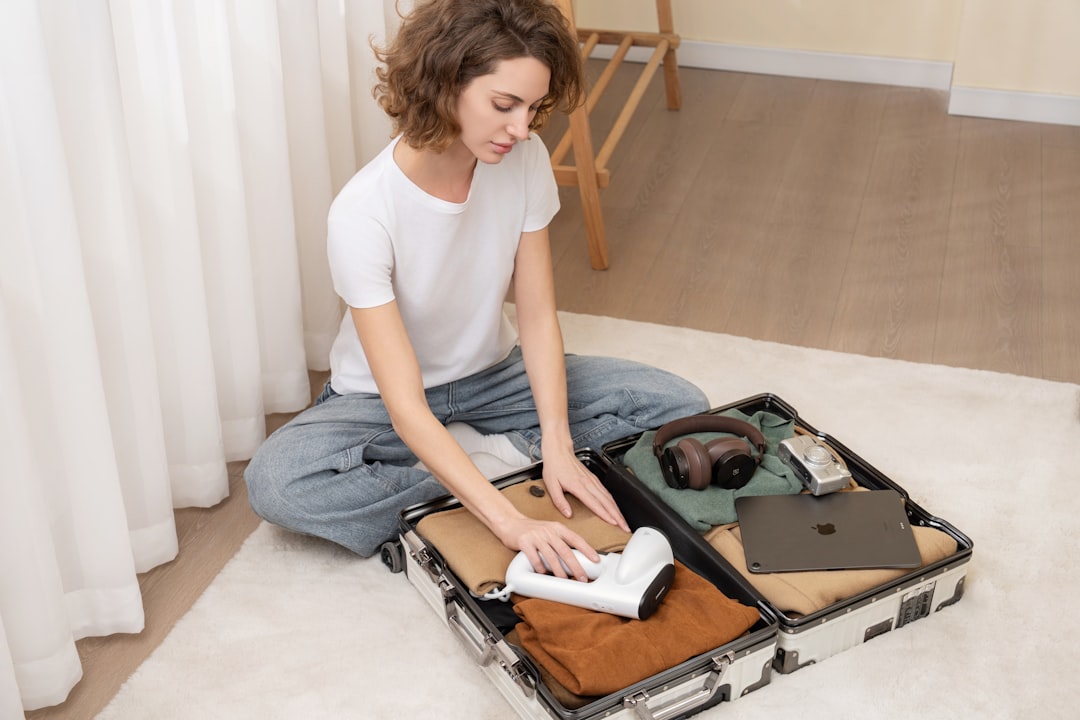
8 Must-Pack Travel Items & What to Ditch Forever
Introduction: The Art of Smart Packing
Packing for a trip can feel overwhelming. Many travelers struggle with this task. They either pack too much or forget important items. This guide will solve your packing problems forever. We will show you eight essential items to always pack. We will also reveal what you should leave at home. These tips come from travel experts and experienced travelers.
According to a TSA study, most people overpack by 40%. This means they bring things they never use. Overpacking causes stress and extra costs. Airlines charge high fees for heavy bags. Carrying heavy luggage is tiring. It can ruin your travel experience.
Smart packing makes travel easier and more enjoyable. It saves you money and time. You will move through airports faster. You will have less to carry and worry about. This guide gives you simple, practical advice. We focus on items that serve multiple purposes. We avoid single-use items that waste space.
Our recommendations work for all types of trips. They help whether you travel for business or pleasure. They work for short weekend trips or long vacations. Follow these tips to become a packing pro. Your future self will thank you during your travels.
The Psychology of Overpacking: Why We Pack Too Much
Understanding why we overpack helps us pack better. Fear is the main reason people overpack. We worry about not having what we need. This is called "just in case" packing. We imagine worst-case scenarios. Then we pack items to feel safe.
Another reason is lack of planning. Many people pack at the last minute. They throw things in their bags without thinking. This leads to bringing unnecessary items. Proper planning prevents this problem.
Common overpacking mistakes include:
- Packing too many clothes "just in case"
- Bringing full-size toiletries instead of travel sizes
- Packing multiple pairs of shoes
- Bringing expensive jewelry
- Packing hairdryers and other hotel-provided items
A AAA survey found that 65% of travelers regret what they packed. Most wish they had packed less. Only 15% wish they had packed more. This shows that less is usually more when traveling.
The "What If" Mentality
The "what if" mentality causes overpacking. We ask ourselves questions like: What if it rains? What if I spill something? What if I get invited to a fancy dinner? These questions lead to packing for unlikely events.
Instead, focus on what will probably happen. Check the weather forecast for your destination. Research your daily activities. Pack for the 90% likely scenarios. For the 10% unlikely events, you can usually buy what you need locally.
Essential Item 1: Universal Power Adapter
A universal power adapter is a travel must-have. Different countries use different power outlets. For example, Europe uses Type C and Type F plugs. The UK uses Type G plugs. The US uses Type A and B plugs. Without the right adapter, your devices won't work.
Why this is essential:
- Works in over 150 countries
- Charges multiple devices at once
- Prevents damage to your electronics
- Saves you from buying expensive adapters locally
Look for adapters with USB ports. This lets you charge phones and tablets directly. Some adapters also have surge protection. This protects your devices from power spikes.
According to Consumer Reports, the best adapters support all major plug types. They should handle both 110V and 220V power systems. This is important for safety and device compatibility.
Real Example: Business Traveler's Nightmare
Sarah, a marketing consultant, learned this lesson the hard way. She arrived in London for an important meeting. Her laptop and phone batteries were low. She discovered her US plugs didn't fit UK outlets. She spent two hours finding an adapter store. She almost missed her meeting. Now she always packs a universal adapter.
Essential Item 2: Portable Power Bank
Modern travel relies on electronic devices. We use phones for maps, tickets, and photos. Tablets help with entertainment. Smartwatches track our health. All these devices need power. A portable power bank ensures you never run out of battery.
Key features to look for:
- At least 10,000 mAh capacity
- Multiple USB ports
- Fast charging capability
- Compact and lightweight design
Airline regulations limit power bank size. The FAA allows power banks up to 100 watt-hours in carry-on bags. Most consumer power banks fall within this limit. Always carry power banks in your carry-on, not checked luggage.
A Statista report shows power bank usage has grown 300% since 2015. This reflects our increasing dependence on mobile devices during travel.
Step-by-Step: Choosing the Right Power Bank
- Calculate your power needs - add up all device batteries
- Choose a capacity that can charge all devices at least once
- Consider weight and size for portability
- Check for safety certifications like CE or RoHS
- Read reviews from other travelers
Essential Item 3: Packing Cubes
Packing cubes revolutionize how we organize luggage. These fabric containers help separate items in your bag. They come in different sizes and colors. You can assign cubes to different types of clothing or family members.
Benefits of packing cubes:
- Keep your luggage organized throughout your trip
- Compress clothing to save space
- Make unpacking and repacking faster
- Help find items quickly without unpacking everything
Travel experts at Rick Steves Europe recommend packing cubes. They help you pack more in less space. They also keep dirty clothes separate from clean ones.
How to Use Packing Cubes Effectively
Start by choosing cube colors for different categories. Use one color for tops. Use another for bottoms. Use small cubes for underwear and socks. Roll your clothes before placing them in cubes. This prevents wrinkles and saves space.
Place heavier items at the bottom of your bag. Put cubes containing delicate items on top. This system makes security checks easier too. You can remove specific cubes without disturbing your whole packing system.
Essential Item 4: Reusable Water Bottle
Staying hydrated is crucial during travel. Airplanes and new environments can dehydrate you. A reusable water bottle saves money and helps the environment. Airport water costs 3-5 times more than outside prices.
Why every traveler needs one:
- Saves money on expensive airport and hotel water
- Reduces plastic waste
- Ensures you always have water available
- Some bottles keep drinks hot or cold for hours
The Environmental Protection Agency reports that plastic bottles take 450 years to decompose. By using a reusable bottle, you help reduce this waste. Many airports now have water refill stations. These make refilling your bottle easy and free.
Statistics: The Plastic Problem
Americans use 2,500,000 plastic bottles every hour. Only about 23% are recycled. Most end up in landfills or oceans. A reusable bottle can replace hundreds of plastic bottles each year. This simple change makes a big environmental impact.
Essential Item 5: First Aid Kit
A travel first aid kit handles minor medical issues. It should contain basic supplies for common travel problems. You don't need a full hospital kit. But having essential medications and bandages is wise.
Essential first aid items:
- Band-aids in multiple sizes
- Antiseptic wipes
- Pain relievers (ibuprofen or acetaminophen)
- Anti-diarrhea medication
- Antihistamines for allergies
- Motion sickness tablets
- Any personal prescription medications
The CDC recommends carrying a basic first aid kit. It should address common travel health issues. Include copies of your prescriptions. Keep medications in original containers. This helps with customs and security checks.
Real Example: Hiker's Saved Vacation
Mark and his family were hiking in Colorado. His daughter fell and scraped her knee badly. Their first aid kit had bandages and antiseptic. They cleaned and covered the wound quickly. Without the kit, they would have needed to find a pharmacy. This would have ruined their hiking day.
Essential Item 6: Digital Copies of Documents
Always have digital copies of important documents. This includes passports, visas, insurance papers, and tickets. Store copies in cloud storage and on your phone. Also carry physical photocopies in a separate bag.
Documents to backup digitally:
- Passport photo page
- Visa documents
- Travel insurance details
- Flight and hotel reservations
- Driver's license
- Credit card emergency numbers
The U.S. Department of State recommends this practice. If you lose your passport, digital copies help prove your identity. They make replacement faster at embassies or consulates.
Step-by-Step: Creating Digital Backups
- Take clear photos of all important documents
- Save them in a secure cloud service like Google Drive or Dropbox
- Email copies to yourself and a trusted family member
- Store photos in a password-protected folder on your phone
- Keep physical copies separate from originals
Essential Item 7: Multi-Tool or Swiss Army Knife
A multi-tool solves many unexpected problems during travel. It can open bottles, cut packaging, or fix loose screws. Choose a TSA-approved model if flying. Some multi-tools are designed specifically for air travel.
Useful multi-tool features:
- Knife blade (check airline regulations)
- Scissors
- Bottle opener
- Screwdrivers
- Tweezers
- Toothpick
Remember that knives are not allowed in carry-on bags. The TSA website has detailed rules about multi-tools. If your tool includes a blade, pack it in checked luggage. Otherwise, choose a blade-free model for carry-on.
Essential Item 8: Quick-Dry Travel Towel
Traditional cotton towels are heavy and slow to dry. Quick-dry towels made of microfiber solve this problem. They pack small, dry quickly, and are lightweight. They're perfect for beach trips, hostels, or unexpected needs.
Advantages over regular towels:
- 80% lighter than cotton towels
- Dry 5 times faster
- Take up less space in your bag
- Resist mold and mildew
- Often include carrying pouches
According to REI's gear experts, microfiber towels absorb 7 times their weight in water. They're essential for adventure travel. They also work well as emergency blankets or picnic mats.
What to Leave at Home: The Unnecessary Items
Now let's discuss what not to pack. Many common items waste space and weight. You can often find better alternatives at your destination. Or you might not need them at all.
Leave Behind: Multiple Books
Books are heavy and take up space. Instead, bring an e-reader or use reading apps on your phone. One device can hold thousands of books. This saves considerable weight in your luggage.
Leave Behind: Hairdryers
Most hotels provide hairdryers. Even budget accommodations usually have them available. Call ahead to confirm if you're concerned. Hairdryers are bulky and often require voltage converters.
Leave Behind: Expensive Jewelry
Traveling with expensive jewelry risks loss or theft. It also attracts unwanted attention. Bring simple, inexpensive accessories instead. Leave valuable items safe at home.
Leave Behind: Too Many Shoes
Shoes are the heaviest clothing items. Limit yourself to three pairs maximum. Choose versatile shoes that work for multiple activities. Wear your bulkiest shoes during travel to save space.
Leave Behind: Full-Size Toiletries
Purchase travel-sized containers or use hotel provided toiletries. Decant products into smaller bottles. Remember the TSA liquid rules: containers must be 3.4 ounces or less in carry-ons.
Practical Packing Tips Section
These practical tips will transform your packing experience. They come from frequent travelers and packing experts. Implement them for stress-free travel.
The Rolling Method
Roll clothes instead of folding them. This prevents wrinkles and saves space. It also lets you see all items at once. No more digging through stacked clothes.
The 1-2-3-4-5-6 Rule
This simple formula works for most trips: 1 hat, 2 pairs of shoes, 3 bottoms, 4 tops, 5 pairs of socks, 6 pairs of underwear. Adjust based on trip length and weather.
Pack for Your Return Trip
Leave some empty space in your bag. You'll need room for souvenirs and purchases. Or pack a foldable duffel bag for extra items on your return.
Weigh Your Bag Before Leaving
Use a bathroom scale to check your bag weight. Place the bag on the scale while holding it. Subtract your weight to get the bag weight. This prevents surprise fees at the airport.
FAQ Section: Common Packing Questions
How early should I start packing?
Start packing at least three days before your trip. This gives time to remember forgotten items. It reduces last-minute stress. Make a packing list a week in advance.
Should I pack valuable items in checked luggage?
Never pack valuables in checked bags. Keep passports, money, electronics, and medications in carry-on bags. Checked bags can get lost or delayed.
How many outfits should I pack?
Pack versatile clothing that can mix and match. Choose neutral colors that work together. Plan to re-wear items. Most people overestimate how many clothes they need.
What about liquids in carry-on bags?
The TSA 3-1-1 rule applies: 3.4 ounce bottles or less, 1 quart-sized clear bag, 1 bag per passenger. Pack larger liquids in checked bags or buy at your destination.
How do I prevent wrinkled clothes?
Use packing cubes and roll clothes. Place tissue paper between layers. Hang clothes in the bathroom during a hot shower. The steam removes wrinkles naturally.
Should I pack snacks?
Yes, pack some non-perishable snacks. They save money and help during travel delays. Choose compact, non-messy options like granola bars or nuts.
What if I forget something important?
Most items can be purchased at your destination. Don't stress about forgetting things. Focus on remembering documents, medications, and money. Everything else is replaceable.
Statistics: Packing and Travel Data
Understanding travel statistics helps make better packing decisions. These numbers come from reliable travel industry sources.
Overpacking Statistics
- 74% of travelers admit to overpacking regularly
- The average traveler uses only 50% of what they pack
- Airlines collected $5.7 billion in baggage fees in 2022
- 28% of travelers have paid overweight baggage fees
Lost Luggage Statistics
- Approximately 1% of checked bags are mishandled
- That's about 25 million bags annually worldwide
- Most lost bags are eventually returned to owners
- The average recovery time is 2 days
Source: SITA Baggage Report 2023
Conclusion: Pack Smart, Travel Happy
Smart packing transforms your travel experience. It reduces stress and saves money. You move through airports more easily. You have less to carry and worry about. The eight essential items we discussed will serve you well on any trip.
Remember the universal power adapter for your devices. Don't forget the portable power bank for staying connected. Use packing cubes to stay organized. Carry a reusable water bottle to save money and help the environment.
Your first aid kit handles minor medical issues. Digital document copies provide security and peace of mind. A multi-tool solves unexpected problems. A quick-dry towel is versatile and space-saving.
Equally important is knowing what to leave behind. Avoid multiple books, hairdryers, expensive jewelry, too many shoes, and full-size toiletries. These items waste valuable space and weight.
Use the practical tips we shared. Follow the 1-2-3-4-5-6 rule for clothing. Roll your clothes to save space. Weigh your bag before leaving for the airport. These simple habits make packing effortless.
Travel should be about experiences, not stuff. The less you carry, the more you can experience. Light luggage means freedom and flexibility. You can change plans easily. You can walk further without fatigue.
Start using these packing strategies on your next trip. Notice how much easier travel becomes. Share these tips with friends and family. Help them enjoy better travels too. Happy packing and safe travels!