
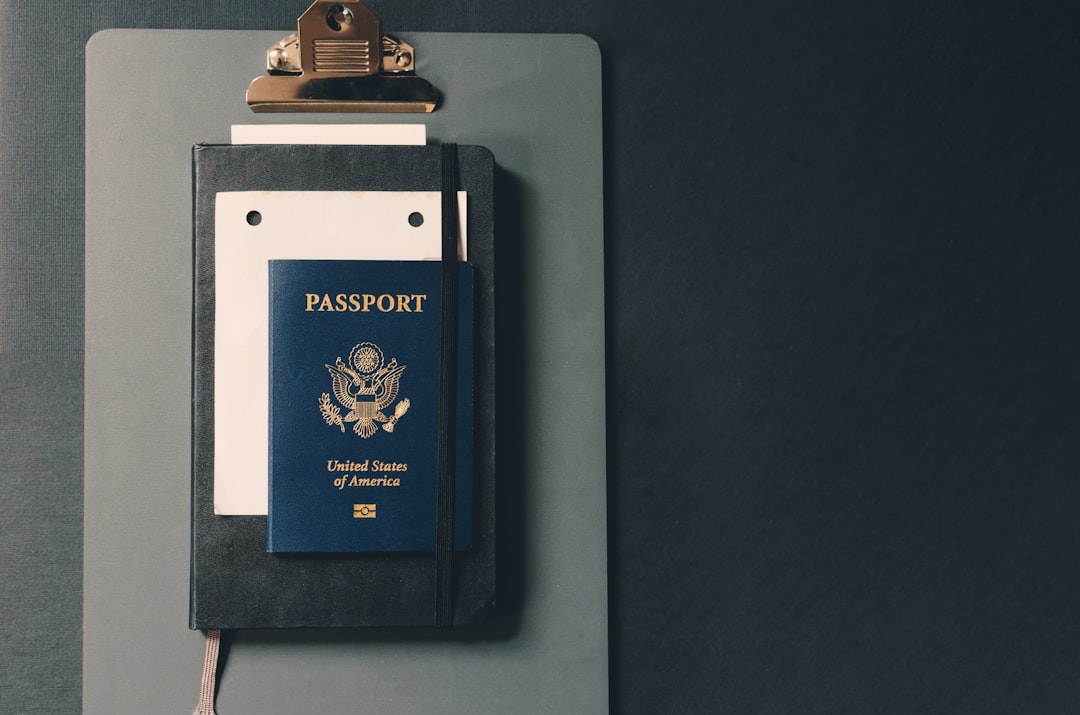
6 Travel Essentials Experts Never Leave Home Without
Introduction: Why Smart Packing Matters
Traveling should be fun and exciting. But bad packing can ruin your trip. Forgetting important items causes stress. It can also cost you money. Experts know what to pack. They travel often and learn from mistakes.
This guide shares six essential items. These items come from travel experts. They work for all types of trips. You might go on a short weekend trip. Or you might take a long international vacation. These items will help you.
Good packing makes travel easier. You feel prepared for anything. Unexpected problems happen less often. You can focus on enjoying your adventure. Let's explore these six must-have items.
Each item has a specific purpose. Some solve common travel problems. Others provide comfort and convenience. All are tested by frequent travelers. They are worth the space in your bag.
1. Universal Power Adapter and Portable Charger
Why This Is Essential
Modern travel needs power. Your phone, camera, and laptop need charging. Different countries have different outlets. A universal adapter solves this problem.
Portable chargers are also important. They give you power anywhere. You might be on a long bus ride. Or hiking in nature. A portable charger keeps your devices working.
Key Features to Look For
- Multiple plug types: Covers most countries
- USB ports: Charges multiple devices
- Fast charging: Saves time
- Compact size: Easy to pack
- Safety features: Prevents damage to devices
Real-World Example
Sarah traveled to Europe for two weeks. She visited five countries. Each had different outlets. Her universal adapter worked everywhere. She never worried about dead devices.
Her portable charger helped during long train rides. She could watch movies and use maps. Her phone never died at important moments.
Statistics About Travel and Technology
According to Statista, 95% of travelers carry smartphones. About 70% bring laptops or tablets. Power needs are high during travel.
A survey by Travel + Leisure found interesting data. 65% of travelers say dead batteries cause stress. 40% have missed important moments due to dead devices.
2. Quality Travel Insurance
Understanding Travel Insurance
Travel insurance protects you from problems. It covers medical emergencies. It also covers trip cancellations. Lost luggage is another common issue.
Many people think they don't need insurance. But problems can happen to anyone. Medical care abroad can be expensive. Insurance gives you peace of mind.
What Good Insurance Covers
- Medical emergencies: Hospital visits and doctor care
- Trip cancellation: Get money back if you can't travel
- Lost luggage: Replace important items
- Emergency evacuation: Get home if needed
- Travel delays: Cover extra hotel and food costs
Step-by-Step: Choosing Insurance
- Check what your credit card already covers
- Compare different insurance companies
- Read reviews from other travelers
- Understand the coverage limits
- Know how to make a claim
Real Example: Why Insurance Matters
Mark went to Thailand for vacation. He broke his leg while hiking. His insurance covered the hospital bill. It was over $5,000. Without insurance, he would have paid himself.
Another traveler, Lisa, had her flight canceled. She missed her cruise departure. Insurance helped her book new flights. It also covered her hotel stay.
3. Versatile Clothing System
The Concept of Travel Clothing
Good travel clothing serves multiple purposes. It should be comfortable for long wear. It should work in different weather conditions. Easy care is also important.
Experts recommend a capsule wardrobe. This means fewer items that mix and match. You create multiple outfits from few pieces.
Building Your Travel Wardrobe
- Neutral colors: Black, navy, gray, and beige mix well
- Quick-dry materials: Easy to wash and dry overnight
- Layering pieces: Adapt to temperature changes
- Comfortable shoes: For lots of walking
- One nice outfit: For special occasions
Material Matters: What to Choose
Merino wool is popular among travelers. It doesn't smell bad after multiple wears. It keeps you warm in cold weather. It also keeps you cool in heat.
Synthetic materials dry quickly. They are good for active travel. Cotton is comfortable but takes long to dry. Choose based on your travel style.
Packing Strategy
Roll clothes instead of folding. This saves space. It also reduces wrinkles. Use packing cubes to organize items. Put similar items together.
Always leave extra space. You might buy souvenirs. Or need room for dirty laundry. Don't pack your bag completely full.
4. Comprehensive First Aid Kit
Beyond Basic Bandages
A good first aid kit has more than bandages. It should handle common travel illnesses. It should treat minor injuries. Personal medications are also important.
You can buy pre-made kits. Or you can build your own. Custom kits often work better. They match your specific needs.
Essential Items for Your Kit
- Pain relievers: For headaches and muscle pain
- Stomach medicine: For food-related issues
- Allergy medication: For unexpected reactions
- Antiseptic wipes: Clean cuts and scrapes
- Blister treatment: For comfortable walking
Personalizing Your Kit
Consider your health history. Add items you might need. If you get motion sickness, pack medication. If you have allergies, bring your epi-pen.
Know basic first aid skills. Take a course before traveling. The Red Cross offers good training. Skills can be more valuable than supplies.
Statistics: Travel Health Issues
The CDC reports common travel health problems. Traveler's diarrhea affects 30-70% of visitors to high-risk areas. Respiratory infections are also common.
According to World Health Organization, proper preparation prevents many issues. Simple items in a first aid kit can solve most minor problems.
5. Digital Backup System
Protecting Your Important Documents
Losing documents ruins trips. Passports, tickets, and reservations are vital. Digital backups provide security. You can access important information anywhere.
Cloud storage makes backup easy. Services like Google Drive and Dropbox work well. You can access files from any device with internet.
What to Backup
- Passport photo page: Most important document
- Travel insurance details: Policy number and contact
- Flight and hotel reservations: Confirmation numbers
- Credit card information: Numbers and emergency contacts
- Emergency contacts: Family and friends back home
Physical Copies Still Matter
Technology can fail. Phones can break or get stolen. Always carry physical copies of key documents. Keep them separate from originals.
Give copies to travel companions. Also email copies to yourself. Multiple backups provide maximum security.
Step-by-Step: Creating Your Backup System
- Take photos of all important documents
- Upload to cloud storage service
- Email copies to yourself and trusted person
- Print two sets of physical copies
- Keep copies in different bags
6. Multi-Tool or Swiss Army Knife
The Ultimate Problem Solver
A good multi-tool solves many problems. It can fix broken gear. It can open bottles and packages. It can handle small repairs.
Choose a tool with functions you'll actually use. Don't get the biggest one available. A medium-sized tool usually works best.
Key Functions to Look For
- Knife blade: For cutting and opening
- Scissors: Useful for many tasks
- Screwdrivers: Fix glasses or electronics
- Bottle opener: For drinks and more
- Tweezers: Remove splinters
Travel Regulations
Remember airport security rules. You cannot carry knives in carry-on bags. Pack multi-tools in checked luggage. Research laws in countries you visit.
Some tools are TSA-approved. They have no blades. These can go in carry-on bags. Choose based on your travel style.
Real-World Uses
James used his multi-tool many times. He fixed his backpack strap. He opened wine bottles at a picnic. He even repaired his sunglasses.
Maria used hers to help other travelers. She helped a family open food packages. She fixed a child's toy. The tool made her popular at the hostel.
Practical Packing Tips Section
Packing Strategy
Start packing several days before your trip. Make a list of everything you need. Check items off as you pack them. This prevents forgetting important things.
Use the roll method for clothes. This saves space and reduces wrinkles. Pack heavier items at the bottom. Put frequently used items on top.
Weight Distribution
Balance weight in your luggage. Heavy items should be close to the wheels. This makes pulling easier. In backpacks, heavy items go in the middle.
Carry-on bags should be light. You will lift them often. Make sure you can carry all your bags comfortably.
Last-Minute Checks
Always do a final check before leaving home. Confirm you have passports and tickets. Check that all devices are charged. Make sure you have local currency.
Leave copies of your itinerary with family. Provide emergency contact information. Confirm all reservations are correct.
FAQ Section
1. How early should I start packing?
Start at least three days before your trip. This gives time to remember forgotten items. You can also do last-minute shopping if needed.
2. Should I pack for worst-case scenarios?
Pack for likely scenarios, not every possibility. Think about your destination and activities. Bring items for common situations. Don't overpack for rare events.
3. How many pairs of shoes should I bring?
Bring three pairs maximum. Include comfortable walking shoes. Add dress shoes for nice occasions. Pack sandals or casual shoes for relaxation.
4. What's the best way to pack liquids?
Use sealed plastic bags for all liquids. This prevents leaks from ruining other items. Put liquids in the middle of your bag. Surround with soft items for protection.
5. Should I pack valuable items?
Avoid bringing expensive jewelry or electronics. If you must bring valuables, keep them in carry-on bags. Never check valuable items in luggage.
6. How can I save space when packing?
Use packing cubes and compression bags. Roll clothes instead of folding. Choose multi-purpose items. Wear your bulkiest shoes and clothing on travel days.
7. What should I always keep in my carry-on?
Keep medications, important documents, and valuable items in carry-on. Also pack a change of clothes and basic toiletries. Include any items you need immediately upon arrival.
Real Traveler Examples
Business Traveler: David's Story
David travels for work every week. He keeps a packed toiletries bag always ready. He has duplicates of all essentials. This saves time and reduces stress.
His universal adapter goes everywhere with him. He needs to charge multiple devices for presentations. His portable charger ensures he never runs out of power during meetings.
Family Vacation: The Johnson Family
The Johnson family travels with two young children. Their first aid kit is extensive. It includes children's medications and favorite snacks. They pack extra clothes in carry-on bags.
Each family member has a color-coded packing cube. This makes finding items easy. They use a digital checklist to ensure nothing is forgotten.
Backpacker: Maria's Adventure
Maria travels for months at a time. She uses merino wool clothing for easy care. Her multi-tool has helped in countless situations. She travels with only carry-on luggage.
Her digital backup system includes scanned documents in the cloud. She shares her location with family for safety. She uses a money belt for important documents.
Statistics and Research
Travel Packing Habits
According to LuggageHero research, most travelers overpack. The average person uses only 50% of what they pack. This means half the space is wasted.
A AAA survey found interesting data. 42% of travelers forget important items. The most commonly forgotten items are chargers and toiletries.
Airline Statistics
The U.S. Department of Transportation reports baggage issues. About 5 bags per 1,000 are lost or delayed. This shows why carry-on essentials matter.
IATA data shows flight delays are common. About 20% of flights arrive late. This makes packing snacks and entertainment important.
Conclusion: Mastering the Art of Packing
Packing well takes practice. Start with these six essential items. They form the foundation of any good travel kit. Add other items based on your specific needs.
Remember that less is often more. Heavy luggage makes travel difficult. Focus on multi-purpose items. Choose quality over quantity.
Your packing style will evolve with experience. You will learn what works for you. Keep notes after each trip. Remember what you used and what you didn't.
These six items will serve you well on any journey. They solve common travel problems. They provide comfort and security. They help you focus on enjoying your adventure.
Happy travels and smart packing! Remember that preparation leads to better experiences. Your future self will thank you for packing wisely.