
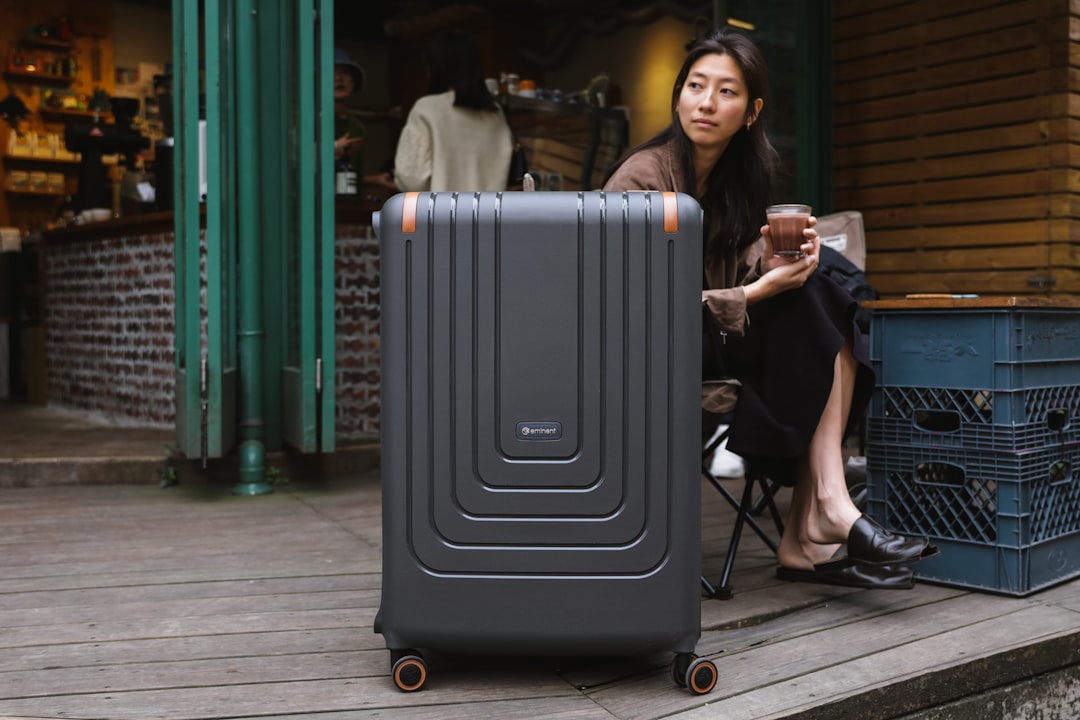
5 Genius Travel Swaps That Save Space & Planet
Introduction: Why Sustainable Packing Matters
Traveling light helps you move freely. It also helps our planet. Every item in your bag has an environmental cost. From production to disposal, everything matters. Sustainable packing means choosing items that last longer. It means using less plastic. It means supporting ethical companies.
The average traveler generates significant waste. Tourism creates about 8% of global carbon emissions. This comes from flights, hotels, and shopping. But your packing choices can make a difference. Simple swaps reduce your environmental impact. They also make your travels easier.
This guide shows you five smart swaps. They will lighten your luggage. They will reduce your carbon footprint. Each swap is easy to implement. Many save you money over time. Let's explore how small changes create big impacts.
Swap 1: Solid Toiletries Instead of Liquids
Liquid toiletries create plastic waste. They also risk spills in your bag. Solid alternatives solve both problems. They last longer and travel better.
Why Solid Toiletries Are Better
Solid shampoo bars outperform liquids. One bar equals three plastic bottles. They contain less water than liquid products. This makes them lighter and more concentrated. You can find solid versions of many products. Shampoo, conditioner, soap, and lotion all come in solid forms.
The environmental benefits are clear. The EPA reports that only 8.7% of plastic gets recycled. Solid toiletries reduce plastic use immediately. Many come in paper packaging. This breaks down naturally.
How to Choose the Right Solid Toiletries
Look for bars with natural ingredients. Avoid harsh chemicals. Read reviews before buying. Test products at home first. Make sure they work with your hair and skin type.
Popular options include Lush shampoo bars. Ethique offers many solid products. You can find them at most health stores. Many local makers create excellent options too.
Practical Tips for Using Solid Toiletries
- Store bars in metal tins or wax paper
- Let them dry between uses
- Cut larger bars for shorter trips
- Use one bar for multiple purposes
- Pack in your carry-on without liquid restrictions
Swap 2: Multi-Purpose Clothing Items
Versatile clothing reduces what you pack. It also reduces laundry needs. Choose items that work for different occasions. Look for quick-dry materials. Neutral colors mix and match easily.
The Magic of Merino Wool
Merino wool is a traveler's best friend. It resists odors naturally. You can wear it multiple times between washes. It regulates temperature in hot and cold weather. It's lightweight and packs small.
One merino wool shirt can replace three cotton shirts. This saves space and weight. It also reduces water usage. Cotton farming uses大量 water. WWF reports it takes 2,700 liters to make one cotton shirt.
Building a Capsule Wardrobe
A capsule wardrobe uses few items that all work together. Choose a color scheme. Pick items that layer well. Include pieces for different activities. Think about climate and culture.
Sample capsule for one week:
- 2-3 tops that mix and match
- 1-2 bottoms in neutral colors
- 1 dress or nice outfit
- 1 lightweight jacket
- 5-7 pairs of underwear and socks
- 1 pair of comfortable shoes
- 1 pair of nicer shoes if needed
Clothing Care on the Road
Hand washing extends time between laundry stops. Use sink or shower to wash items. Choose quick-dry fabrics. Roll items in towels to remove excess water. Hang to dry overnight.
Pack a small laundry kit. Include a universal sink stopper. Bring a clothesline and eco-friendly soap. This saves money and reduces resource use.
Swap 3: Reusable Water Bottles and Filters
Plastic water bottles create enormous waste. National Geographic reports millions of bottles sold every minute. Most end up in landfills or oceans. Reusable bottles solve this problem.
Choosing the Right Water Bottle
Consider material, size, and features. Stainless steel bottles last years. They keep drinks hot or cold. Glass bottles taste clean but can break. Collapsible bottles save space when empty.
Look for bottles with filters if needed. Some have built-in purification. Others work with separate filter systems. Choose what fits your travel style.
Water Safety Around the World
Tap water safety varies by country. Research your destination. Many places have safe tap water. Others require caution. Portable filters make almost any water safe.
Popular filter options include:
- LifeStraw bottles with built-in filters
- Grayl geopress bottles that purify in seconds
- Steripen ultraviolet purifiers
- Simple charcoal stick filters
Finding Water Refill Stations
Airports increasingly have water stations. Look near restrooms or food courts. Many cafes and restaurants will refill bottles. Some cities have public refill stations. Apps like Refill help locate options.
Always carry your empty bottle through security. Fill it after passing checkpoints. This saves money and reduces plastic waste.
Swap 4: Digital Instead of Physical Items
Technology replaces many physical items. E-books replace guidebooks. Digital tickets replace paper. Apps replace maps and phrasebooks. This saves weight and paper.
Essential Digital Travel Tools
Your smartphone can handle many travel needs. Download these before your trip:
- Maps.me for offline maps
- Google Translate for language help
- Booking apps for accommodations
- E-book readers for entertainment
- Digital boarding passes and tickets
Reducing Paper Waste
Travel generates much paper. Tickets, receipts, and brochules add up. Go digital when possible. Use email confirmations instead of printouts. Take photos of important documents. Use note-taking apps instead of notebooks.
The World Counts project shows paper production uses大量 energy and water. Reducing paper use helps forests and reduces carbon emissions.
Power Management on the Go
Digital devices need power. Choose efficient charging options. Solar chargers work well in sunny destinations. Power banks extend device life. Look for multi-port chargers to power several devices at once.
Always unplug chargers when not in use. This saves energy. Use power-saving modes on devices. Download content before trips to reduce data use.
Swap 5: Sustainable Luggage and Packing Organizers
Your luggage itself matters. Choose durable, eco-friendly options. Look for recycled materials. Support companies with ethical practices. Good luggage lasts years, reducing waste.
Eco-Friendly Luggage Materials
Traditional luggage often uses new plastics. Sustainable options use recycled materials. Some use natural fibers. Others incorporate innovative materials like cork or recycled ocean plastic.
Popular sustainable luggage brands include:
- Patagonia Black Hole bags using recycled materials
- Eagle Creek gear with recycled content
- Topo Designs using sustainable practices
- Local makers using upcycled materials
Packing Cubes and Organizers
Packing cubes maximize space. They keep items organized. Choose cubes from recycled materials. Look for durable zippers and fabrics. Different sizes work for different items.
Packing cubes help you pack less. You see exactly what you have. No forgotten items at the bottom of your bag. They compress clothing to save space.
Luggage Repair and Maintenance
Good luggage lasts with proper care. Clean regularly. Fix small issues immediately. Many companies offer repair services. Some have lifetime warranties.
Learn basic repairs. Replace wheels or handles when needed. This extends luggage life. It keeps items out of landfills.
Practical Implementation Guide
Now let's put everything together. Follow these steps to transform your packing habits.
Step-by-Step Packing Makeover
- Empty your current travel bag completely
- Sort items into categories (clothing, toiletries, etc.)
- Identify single-use or disposable items
- Research sustainable alternatives for each category
- Make one swap per month to spread out costs
- Test new items on short trips first
- Refine your system based on experience
Budget-Friendly Swaps
Sustainable travel doesn't require huge spending. Start with inexpensive changes. Use what you already have. Make your own solutions when possible.
Low-cost starting points:
- Use old t-shirts as cleaning cloths
- Make your own solid shampoo bars
- Repurpose containers for organization
- Borrow items instead of buying new
- Shop secondhand for quality items
Travel-Specific Considerations
Different trips require different approaches. Business travel needs professional items. Adventure travel demands durability. Beach vacations need sun protection. Adjust your swaps accordingly.
Always consider local customs and climate. Research destination-specific needs. Pack versatile items that work in multiple situations.
Real-World Success Stories
Many travelers have made these swaps successfully. Their experiences show what works.
Digital Nomad Transformation
Maria, a digital nomad, reduced her luggage by 60%. She switched to solid toiletries. She invested in quality merino wool clothing. She digitized all her documents and books.
"I travel with one carry-on bag now," she says. "I move between countries easily. I save money on checked baggage fees. I feel good about reducing my environmental impact."
Family Vacation Makeover
The Johnson family of four transformed their packing. They bought reusable water bottles for everyone. They created capsule wardrobes for each family member. They use packing cubes to stay organized.
"We cut our luggage from eight bags to four," says Mrs. Johnson. "The kids love their special travel bottles. We spend less time packing and unpacking. We have more fun on vacation."
Frequently Asked Questions
Are solid toiletries as effective as liquids?
Yes, solid toiletries work just as well. Many people find them better. They often contain higher quality ingredients. They last longer than liquid versions.
How much money can I save with these swaps?
Savings vary by person. Most save $50-200 per year. You avoid buying disposable items repeatedly. You save on baggage fees with lighter luggage.
What if I need special medical items?
Always prioritize health needs. Many medical items have sustainable alternatives. Talk to your doctor about options. Some medications come in different forms.
How do I handle liquids in carry-on bags?
Solid toiletries have no liquid restrictions. For necessary liquids, use small reusable containers. Follow TSA guidelines for sizes. Declare medications separately.
Can I make these swaps gradually?
Absolutely. Start with one change at a time. Replace items as they wear out. This spreads out costs and makes adjustment easier.
What about destinations with water safety issues?
Water filters make most water safe. Research your destination's specific risks. Some areas may require additional precautions. Always have a backup plan.
How do I convince travel companions to try these swaps?
Lead by example. Share your positive experiences. Focus on benefits they care about. Offer to help them get started. Be patient with their pace of change.
Environmental Impact Statistics
Understanding the numbers helps motivation. These statistics show why changes matter.
- Tourism produces 8% of global carbon emissions (Nature Climate Change)
- Only 9% of plastic ever made has been recycled (UN Environment Programme)
- Aviation accounts for 2.5% of global CO2 emissions (International Energy Agency)
- Textile production creates 1.2 billion tonnes of CO2 annually (Ellen MacArthur Foundation)
- Plastic bottle production uses 17 million barrels of oil yearly (Container Recycling Institute)
Conclusion: Your Journey to Lighter, Greener Travel
Sustainable packing benefits everyone. You enjoy easier travels. The planet benefits from reduced waste. Future generations inherit healthier environments.
Start with one swap that appeals to you. Maybe solid shampoo bars excite you. Perhaps a reusable water bottle seems easiest. Every change makes a difference. Small steps create big impacts over time.
Remember that perfection isn't the goal. Progress matters more. Each sustainable choice moves us forward. Share your successes with others. Inspire friends and family to try these swaps.
Your next trip can be your most sustainable yet. Pack lighter. Travel smarter. Protect our beautiful planet. The journey toward sustainable travel starts with your next packing session.
Ready to begin? Choose one swap from this guide. Implement it on your next trip. Notice how it improves your travel experience. Then add another swap. Soon you'll be packing lighter and greener automatically.