
13 Genius Packing Hacks: Never Check a Bag Again!
Introduction: My Journey to Bag-Free Travel
I have been a travel writer for over ten years. In that time, I have visited more than fifty countries. But I have not checked a bag in years. This might sound impossible. But it is true. Learning to pack light changed my life. It saved me time, money, and stress.
Every trip used to start with a heavy suitcase. I would wait at baggage claim. I would worry about lost luggage. Then I discovered minimalist packing. Now I travel with just a carry-on. I walk off the plane and go straight to my adventures. No waiting. No worries.
This guide will share my thirteen best tips. These are the secrets that keep me bag-free. You can use them too. Whether you travel for work or fun. Whether you go for a weekend or a month. These tips will help you pack smarter. They will make your trips easier and more enjoyable.
According to a AAA study, baggage fees add significant costs to travel. Airlines made over $5 billion from baggage fees in one year. You can keep that money in your pocket. Let's begin our journey to lighter travel.
The Core Philosophy of Minimalist Packing
Why Less Really Is More
Minimalist packing is not about sacrifice. It is about freedom. When you carry less, you can move more freely. You save time at airports. You avoid extra fees. You reduce stress.
Think about your last trip. Did you use everything you packed? Most people do not. Studies show travelers use only about half of what they bring. The rest is dead weight. It takes up space and adds no value.
The goal is to pack only what you truly need. Every item should serve a purpose. If you are not sure about something, leave it behind. You can usually buy it at your destination if needed.
The 80/20 Rule of Travel
This rule comes from business. But it applies perfectly to packing. You wear 20% of your clothes 80% of the time. Focus on that 20%. Choose items you love and wear often.
Look at your closet at home. Notice which clothes you wear most. These are your go-to items. They are comfortable. They fit well. They make you feel good. These are the clothes you should pack.
Avoid "just in case" items. They rarely get used. They take valuable space. Trust that you can handle surprises as they come.
Choosing Your Perfect Carry-On Bag
Size and Airline Regulations
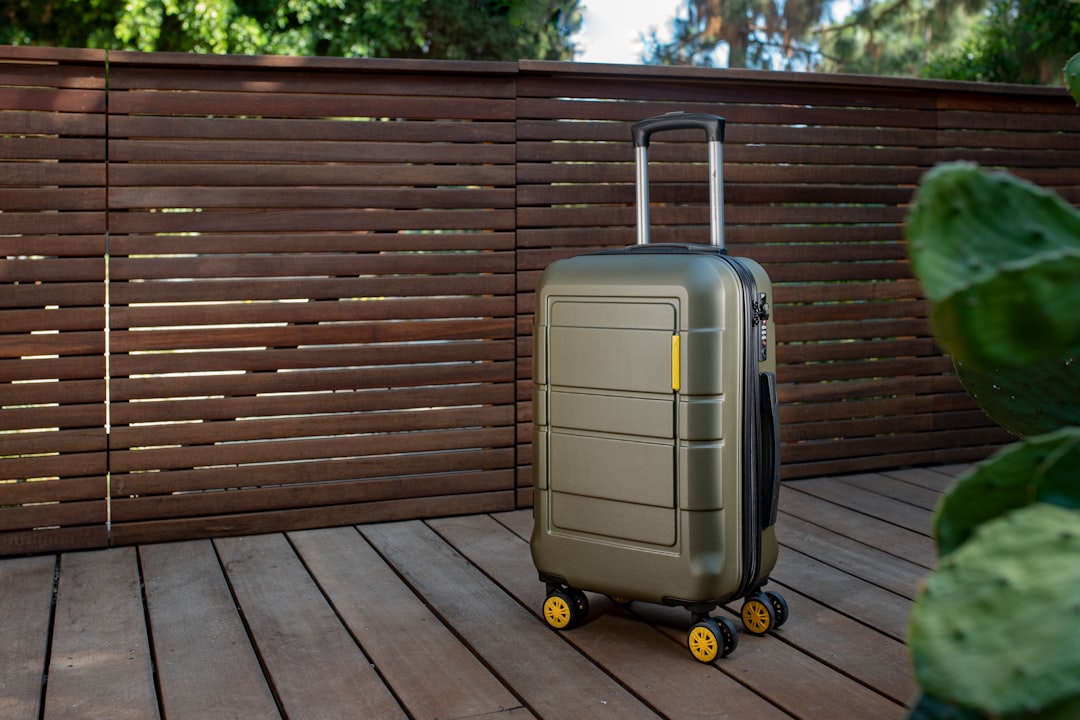
Not all carry-ons are equal. Airlines have different size rules. Most US airlines allow bags up to 22 x 14 x 9 inches. But some international carriers are stricter. Always check your airline's website before you pack.
I recommend a soft-sided bag. It can squeeze into tight spaces. Hard cases look nice. But they do not flex. This can be a problem on full flights.
Look for bags with multiple compartments. This helps with organization. You can find things quickly. It also makes security checks easier.
Features That Matter Most
Good wheels make a big difference. Four wheels are better than two. They roll smoothly in any direction. This is helpful in crowded airports.
Lightweight construction is key. The bag itself should not be heavy. Every pound counts toward your limit. Some bags weigh over 10 pounds empty. That is too much.
External pockets are very useful. You can keep important items handy. Think about your passport, phone, and snacks. Easy access makes travel less stressful.
The 13 Life-Changing Packing Tips
1. The Rolling Method Beats Folding
Roll your clothes instead of folding them. This saves space. It also reduces wrinkles. The US Army teaches this method to soldiers. It works for travel too.
Start with heavier items at the bottom. Roll each piece tightly. Place rolls side by side in your bag. Fill gaps with smaller items. This creates a solid pack that does not shift.
I can fit twice as much using this method. My clothes arrive less wrinkled. Unpacking is faster too. Just unroll and place in drawers.
2. Embrace the Capsule Wardrobe
A capsule wardrobe uses few items that all work together. Choose a color scheme. Neutrals like black, navy, and gray work well. Add one or two accent colors.
Every top should go with every bottom. This creates many outfits from few pieces. You can mix and match throughout your trip.
For a week-long trip, I pack:
- 3-4 tops
- 2 bottoms
- 1 dress or nice outfit
- 1 light jacket
- Underwear and socks for each day
This may seem minimal. But it works perfectly. I always have something clean to wear.
3. Choose Versatile Clothing Items
Look for clothes that serve multiple purposes. A sarong can be a beach cover-up, scarf, or blanket. A nice black dress can go from day to night with accessories.
Quick-dry fabrics are your friends. They wash easily and dry overnight. You can pack fewer items because you can wash them as needed.
Layers work better than heavy items. A thermal base layer, mid-layer, and shell can handle most weather. They pack smaller than one heavy coat.
4. Master the Art of Packing Cubes
Packing cubes are game-changers. These fabric containers organize your bag. You can group items by type or by day. This makes finding things easy.
Use different colors for different categories. Blue for tops, red for bottoms, etc. Or pack by outfit for each day. Choose what works for you.
Compression cubes save even more space. They have special zippers that squeeze air out. Your clothes become flatter and more compact.
5. Wear Your Bulkiest Items
Airplanes are often cold anyway. Wear your heaviest shoes and jacket on the plane. This saves precious space in your bag.
Choose comfortable but bulky items for travel day. Your hiking boots, jeans, and sweater can be worn instead of packed. You can always remove layers if you get warm.
Pockets are your secret weapons. Wear pants with good pockets. You can carry your phone, wallet, and passport. This leaves your hands free.
6. Limit Your Shoes Drastically
Shoes take up the most space. Limit yourself to three pairs maximum. For most trips, two pairs are enough.
Choose one comfortable walking shoe. Add one dressier option. If you need specialty shoes, make them count. Wear the bulkiest pair on the plane.
Stuff socks and small items inside your packed shoes. This uses space that would otherwise be wasted. It also helps your shoes keep their shape.
7. Go Digital Whenever Possible
Books are heavy. Guidebooks are heavier. Use your phone or tablet instead. Download books, maps, and travel guides before you go.
Take photos of important documents. Your passport, insurance cards, and itinerary should be in your phone. This provides backup if you lose the originals.
Many hotels and rentals provide toiletries. Call ahead to ask what they offer. You might not need to pack shampoo or soap.
8. Choose Multi-Use Toiletries
Look for products that serve multiple purposes. A shampoo-conditioner combo saves space. A tinted moisturizer with SPF replaces three products.
Solid toiletries are great for travel. Solid shampoo bars, deodorant, and perfume take less space. They will not leak in your bag.
Transfer products to small containers. You do not need full-size bottles for a short trip. TSA limits liquids to 3.4 ounces anyway.
9. Plan Your Laundry Strategy
You do not need clean clothes for every day. Plan to do laundry during your trip. Many hotels have services. Or find a local laundromat.
Pack a small container of laundry soap. You can wash items in your sink. Quick-dry clothes will be ready by morning.
Some travelers bring portable washing tools. A scrubba wash bag makes sink laundry easy. It is like a mini washing machine.
10. Use Every Inch of Space
Look for empty spaces in your bag. Stuff socks inside shoes. Roll belts along the edges. Use the gaps between larger items.
Wearable storage can help too. A travel vest with many pockets carries extra items. You can take it off once on the plane.
Compression bags for bulkier items like jackets. These plastic bags let you squeeze air out. Your puffy coat becomes flat and compact.
11. Create a Master Packing List
Keep a list of what you pack for each trip type. Update it as you learn. This saves decision time for future trips.
Note what you actually used. After each trip, review your packed items. Mark what you did not use. Consider leaving it behind next time.
Seasonal lists work well. Your summer beach trip list will differ from your winter ski trip list. Keep separate lists for different travel types.
12. Pack for Your Destination, Not Your Fears
Many people pack for worst-case scenarios. This leads to overpacking. Research your destination's weather and culture.
Check average temperatures for your travel dates. Look at local customs. Some places require modest clothing. Others are more casual.
Remember that stores exist everywhere. If you forget something, you can probably buy it. This is cheaper than paying baggage fees every trip.
13. The 24-Hour Rule: One Last Review
After you pack, wait 24 hours. Then open your bag again. Remove at least three items. You will usually find things you can live without.
Weigh your bag if possible. Many airlines have strict weight limits. A portable luggage scale costs about $10. It is worth the investment.
Do a final check of airline rules. Make sure your bag meets size requirements. Measure if you are not sure.
Real-World Application: Sample Packing Lists
Weekend City Break
For a three-day city trip, you need very little. Focus on comfort and versatility.
- 1 pair of comfortable walking shoes
- 2 tops
- 1 bottom
- 1 dress or nice outfit
- Underwear and socks for 3 days
- Mini toiletries
- Phone and charger
- Small crossbody bag
Everything should fit in a small backpack. You will be mobile and comfortable.
Two-Week European Adventure
Longer trips require more planning. But you still do not need to check a bag.
- 3-4 bottoms (mix of pants and shorts)
- 5-6 tops
- 1 light jacket
- 1 dressy outfit
- 2 pairs of shoes
- Underwear for 7 days (plan to do laundry)
- Travel-sized toiletries
- Small first aid kit
- Electronics and adapters
With good organization, this fits in a standard carry-on. Packing cubes help keep things tidy.
Statistics That Will Change How You Pack
The numbers tell a clear story about checked baggage.
- Airlines mishandled 21.8 million bags in 2022 according to SITA's baggage report
- The average checked bag fee for US airlines is $30 each way
- Travelers waste 30 minutes average waiting at baggage claim
- 85% of overpackers admit they don't use everything they bring
- Carry-only travelers save $120 average per trip on baggage fees
- 74% of frequent travelers prefer carry-on when possible
These numbers show the real costs of checked bags. Both in money and time.
Step-by-Step Packing Process
One Week Before Travel
Start planning early. This reduces stress and prevents overpacking.
- Check the weather forecast for your destination
- Review your activities and plan outfits
- Make a packing list based on your plans
- Gather any items you need to buy
- Test pack if you are unsure about space
Two Days Before Travel
Begin actual packing. This gives time to make adjustments.
- Lay out everything from your list
- Remove any duplicate or unnecessary items
- Start with heaviest items in your bag
- Use packing cubes for organization
- Roll clothes to save space
Travel Day Final Check
Last-minute review ensures you have what you need.
- Weigh your bag if concerned about limits
- Remove three more items if possible
- Pack your personal item with essentials
- Charge all electronics fully
- Wear your bulkiest shoes and clothing
Frequently Asked Questions
What if I need special equipment for my trip?
Some trips require special gear. Ski trips need warm clothes. Beach trips need swimwear. Business trips need formal clothes. The key is planning. Choose multi-use items when possible. Wear bulky items on the plane. Remember that many places rent equipment. You might not need to bring everything.
How do I handle liquids with carry-on only?
TSA limits liquids to 3.4 ounces per container. All containers must fit in one quart-sized bag. Use solid alternatives when possible. Shampoo bars instead of liquid shampoo. Solid deodorant instead of spray. Many hotels provide toiletries. You can also buy items at your destination.
What about medications and medical needs?
Medications are exceptions to liquid rules. You can bring reasonable quantities. Keep them in original containers. Bring copies of prescriptions. Medical devices like CPAP machines don't count as carry-ons. Check with your airline about their policy.
Can I really pack for cold weather in a carry-on?
Yes, with smart choices. Wear your heaviest items on the plane. Use layers instead of one heavy coat. Choose thermal base layers that pack small. Wool and synthetic fabrics provide warmth without bulk. Many cold-weather destinations have indoor heating. You might not need as much as you think.
What if my carry-on doesn't fit in the overhead bin?
This is rare if you follow size rules. But if it happens, stay calm. The airline will check your bag at the gate. You will get it back when you land. There is usually no fee for gate checking. To avoid this, board early when possible. Choose a bag that meets all size requirements.
How do I handle souvenirs and shopping?
Leave some space in your bag for new items. Or pack a foldable duffel bag. You can check it on your return flight if needed. Shipping items home is another option. For small souvenirs, use your personal item space. Remember that experiences often make better souvenirs than things.
What about valuable items and electronics?
Keep valuables in your personal item. This stays with you at all times. Use TSA-approved locks for your carry-on. Consider insurance for expensive items. Back up important data before you travel. Use hotel safes when available.
Conclusion: Your Bag-Free Future Awaits
Learning to pack light takes practice. But the benefits are huge. You will save money on baggage fees. You will save time at airports. You will travel with less stress.
Start with small changes. Try rolling your clothes instead of folding. Use packing cubes for organization. Limit your shoes to two pairs. Each trip will get easier.
Remember that most things can be replaced. If you forget something, you can usually buy it. The freedom of traveling light is worth it.
I have not checked a bag in years. I do not miss it at all. My travels are smoother and more enjoyable. Yours can be too. Start your journey to lighter packing today. Your future self will thank you at every airport.
Ready to try carry-on only? Pick one tip from this guide. Use it on your next trip. See how it feels. Then add another tip. Soon you will be a packing pro. Happy travels!