
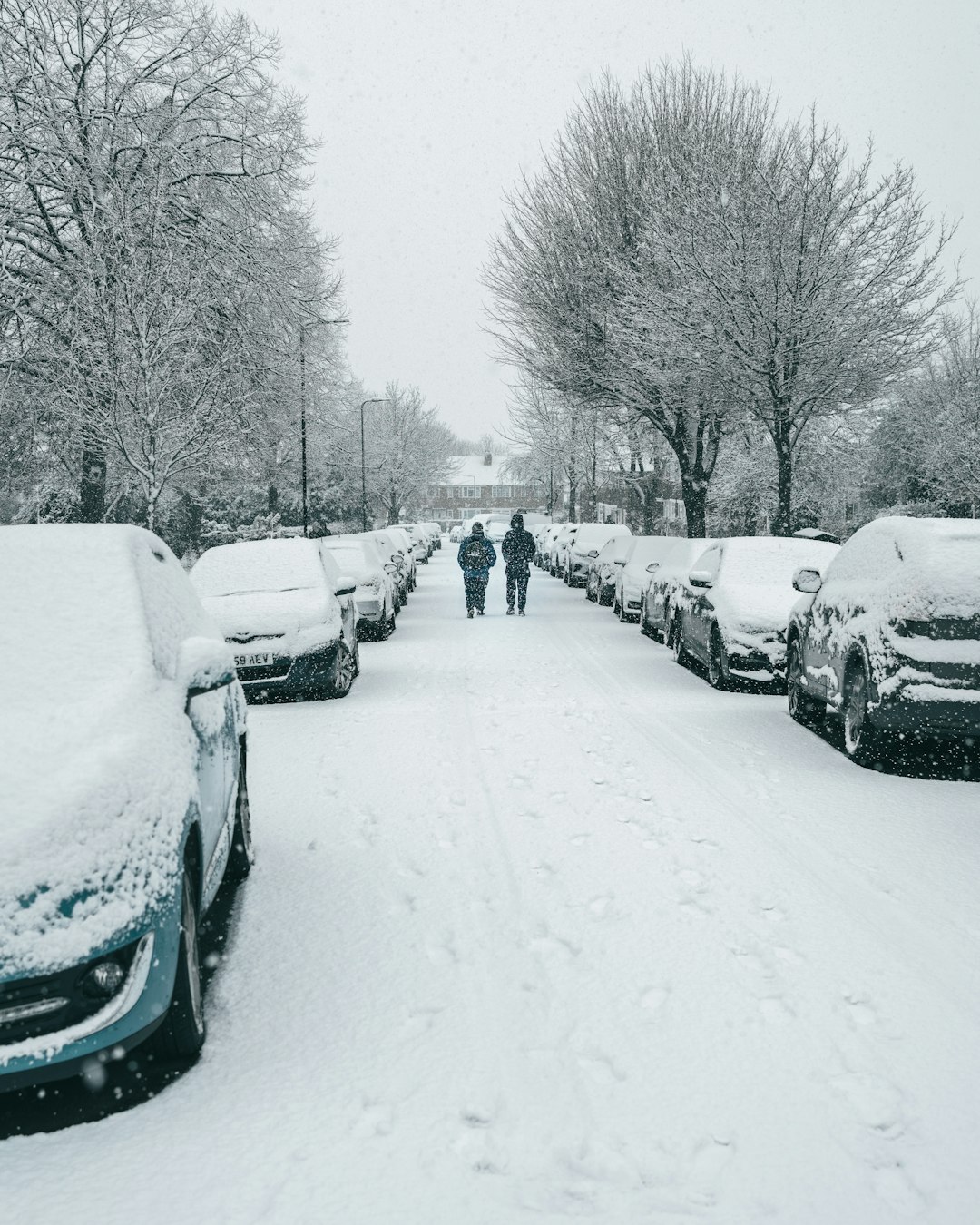
10 Inches of Snow Coming: Travel Warning Issued - What You Need to Know
Introduction: Understanding the Winter Storm Threat
A major winter storm is approaching. Weather experts predict up to 10 inches of snow. This has triggered official travel warnings across multiple states. The National Weather Service issued alerts for dangerous conditions. Many schools and businesses are closing early. Travel could become impossible in some areas.
This storm system is moving quickly from the west. It brings heavy snow and strong winds. Visibility may drop to near zero. Road conditions will deteriorate rapidly. Emergency services are preparing for increased calls. Power outages are likely in some regions. Everyone should take this threat seriously.
Winter storms cause hundreds of deaths each year. Many occur from traffic accidents. Others happen from hypothermia or carbon monoxide poisoning. Proper preparation can save lives. This guide provides everything you need to know. We cover safety tips, emergency planning, and real-time resources.
Storm Details and Forecast Timeline
What Meteorologists Are Predicting
The storm will develop over the Rocky Mountains. It will then move eastward across the plains. Finally, it will impact the Midwest and Northeast. Snowfall rates could reach 1-2 inches per hour. The heaviest snow will fall overnight. This timing makes travel especially dangerous.
Wind speeds may reach 35 miles per hour. This will create blowing and drifting snow. Wind chill values could drop below zero. The storm will last approximately 24 hours. However, cleanup may take several days. Temperatures will remain below freezing throughout.
Areas Most at Risk
Several states are under winter storm warnings. These include Colorado, Wyoming, Nebraska, and Iowa. Parts of Illinois and Indiana may also see significant accumulation. Mountain areas could get even more snow. Higher elevations may receive 12-15 inches. Valley areas will likely see 6-10 inches.
The National Weather Service provides detailed maps. These show exactly where the worst conditions will occur. You can check your local forecast office for specifics. Always trust official sources for weather information. Social media rumors often exaggerate storm impacts.
Official Travel Warnings and Restrictions
Current Road Conditions
State transportation departments are advising against travel. Many have implemented travel advisories. Some mountain passes may close completely. Commercial truck restrictions are likely. Emergency vehicles will have priority on roads.
Road conditions can change in minutes. Black ice forms quickly on bridges and overpasses. Even roads that look clear may be slippery. Salt and plows cannot keep up with heavy snowfall. It's better to stay home than risk an accident.
Air Travel Impacts
Major airports are already canceling flights. Denver International Airport expects significant delays. Chicago O'Hare may also be affected. Airlines are waiving change fees for affected passengers. Always check your flight status before heading to the airport.
Airport closures are possible if snow removal cannot keep up. De-icing operations take longer during heavy snow. This creates cascading delays throughout the system. Even if your destination is clear, your plane might be coming from a storm-affected area.
Emergency Preparedness: Before the Storm Hits
Home Preparation Checklist
- Stock at least 3 days of food and water
- Have flashlights and extra batteries ready
- Charge all electronic devices fully
- Fill vehicle gas tanks
- Get cash from ATMs
- Prepare emergency heating source
- Check smoke and carbon monoxide detectors
- Have a battery-powered radio available
Vehicle Winterization
Your car needs special attention before winter storms. Check antifreeze levels and quality. Make sure your battery is strong. Cold weather reduces battery power significantly. Install winter wiper blades and use cold-weather washer fluid.
Keep your gas tank at least half full. This prevents fuel line freezing. It also ensures you have fuel if you need to evacuate. Pack an emergency kit in your vehicle. Include blankets, food, water, and a shovel.
Safety During the Storm: Critical Guidelines
If You Must Travel
Sometimes travel cannot be avoided. If you must go out, take extreme precautions. Drive slowly and increase following distance. Brake gently to avoid skidding. Use low gears when going downhill. Stay with your vehicle if you become stranded.
Keep emergency supplies in your car. These should include warm clothing, food, and a phone charger. Let someone know your route and expected arrival time. Check road conditions frequently. Be prepared to turn back if conditions worsen.
Home Safety Measures
Stay indoors during the worst of the storm. Use generators outside only, away from windows. Never use outdoor heating equipment indoors. Keep children and pets inside. Check on elderly neighbors if safe to do so.
Watch for signs of hypothermia and frostbite. Know how to recognize carbon monoxide poisoning symptoms. Have emergency numbers readily available. Keep walkways and vents clear of snow. Be careful when shoveling to avoid overexertion.
Practical Winter Driving Tips
Vehicle Preparation
Proper tires make a huge difference. Winter tires provide better traction than all-season tires. Some states require chains or traction devices. Check your state's requirements before traveling. Always clear all snow and ice from your vehicle before driving.
Visibility is crucial during winter storms. Replace worn wiper blades. Use winter-grade washer fluid that won't freeze. Keep headlights clean and clear. Carry an ice scraper and snow brush. Consider carrying cat litter or sand for traction if stuck.
Driving Techniques
- Accelerate and brake slowly and smoothly
- Steer gently to maintain control
- Increase following distance to 8-10 seconds
- Use headlights at all times
- Watch for black ice on bridges and shaded areas
- Avoid using cruise control
- Know how to handle a skid (steer into it)
Emergency Kit Essentials
Home Emergency Supplies
Every home should have a winter emergency kit. This is different from a general emergency kit. It should include specific cold-weather items. Have enough supplies to last at least 72 hours. Assume you will lose power and heat.
Essential items include non-perishable food and water. Plan for one gallon of water per person daily. Include manual can openers and basic utensils. Have warm blankets and extra clothing. Include a first aid kit and necessary medications.
Car Emergency Kit
Your vehicle needs its own emergency supplies. These could save your life if stranded. Include warm clothing, blankets, and sleeping bags. Pack high-energy snacks and water. Include a flashlight, flares, and jumper cables.
Add a small shovel and traction aids. Include a basic tool kit and phone charger. Keep a list of emergency contacts. Consider adding a portable power bank. Always keep your gas tank at least half full.
Power Outage Preparedness
Before the Outage
Charge all electronic devices fully. Fill containers with water for drinking and sanitation. Know how to manually open your garage door. Have alternative lighting sources ready. Identify which circuit breakers control essential functions.
If you have a generator, test it before the storm. Never run generators indoors or in garages. Stock extra fuel safely. Consider purchasing a battery backup for medical equipment. Have board games and books for entertainment.
During an Outage
Use flashlights instead of candles when possible. Keep refrigerator and freezer doors closed. Food will stay cold for about 4 hours in a fridge. A full freezer will keep temperature for 48 hours. Use blankets to stay warm and dress in layers.
Check on neighbors, especially elderly ones. Report outages to your utility company. Unplug sensitive electronics to avoid surge damage. Use battery-powered carbon monoxide detectors. Never use outdoor heating equipment indoors.
Frequently Asked Questions
How long will the storm last?
The heaviest snow will fall over 12-18 hours. However, impacts may last several days. Cleanup and travel disruptions could continue. Temperatures will remain below freezing.
When should I shovel snow?
Shovel multiple times during the storm. Don't wait until all snow has fallen. This reduces strain on your body. Take frequent breaks and stay hydrated.
What if I lose power?
Report the outage to your utility company. Use flashlights instead of candles. Keep refrigerator doors closed. Use blankets and layers to stay warm. Check on neighbors if safe.
Is it safe to use a generator?
Generators must be used outdoors only. Keep them away from windows and vents. Never refuel while hot. Follow all manufacturer instructions carefully.
When will roads be clear?
Main roads will be plowed first. Secondary roads may take longer. Residential streets might not be cleared for days. Check local updates for specific information.
What about school closures?
Most schools will close during severe weather. Decisions are usually made early morning. Check school websites and local news for updates.
How can I help elderly neighbors?
Offer to shovel their walkways. Check if they need supplies. Make sure they have working heat. Share emergency contact information.
Real Examples and Statistics
Historical Winter Storm Impacts
Winter storms cause significant damage each year. The 2021 Texas freeze caused $195 billion in damage. It led to 246 deaths directly. Many resulted from hypothermia and carbon monoxide poisoning.
The 1993 Storm of the Century affected 26 states. It caused $5.5 billion in damage. There were 318 fatalities. Some areas received over 50 inches of snow.
Current Situation Statistics
This storm could affect 50 million people. Up to 10 inches of snow may fall. Wind speeds could reach 45 mph. Temperatures may drop 20 degrees below average.
Flight cancellations already number in the hundreds. School closures affect thousands of students. Emergency declarations are likely in multiple counties.
Conclusion: Staying Safe Through the Storm
This winter storm poses serious risks. Heavy snow and strong winds create dangerous conditions. Travel should be avoided if possible. Preparation is key to staying safe.
Follow official warnings and updates. Prepare your home and vehicle in advance. Have emergency supplies ready. Check on vulnerable neighbors when safe.
Remember that storms eventually pass. The most important thing is everyone's safety. Property damage can be repaired. Lives cannot be replaced. Take all precautions seriously.
Stay informed through reliable sources. The National Weather Service provides accurate forecasts. Local emergency management agencies give specific guidance. Trust official information over social media rumors.
Winter can be beautiful but also dangerous. Respect the power of nature. With proper preparation, you can weather any storm. Stay safe, stay warm, and look out for each other.