
The Secret Stop That Makes Every Trip Unforgettable
Introduction: The Missing Piece in Your Travel Plans
Have you ever returned from a trip feeling something was missing? You visited all the famous landmarks. You took hundreds of photos. Yet the experience felt incomplete. There's one secret stop that transforms ordinary trips into extraordinary journeys. This hidden gem appears in Business Insider's travel recommendations for good reason. It's the element that separates memorable adventures from forgettable vacations.
Most travelers focus only on major attractions. They rush from one famous site to another. But the true magic happens in between. This special stop adds depth to your travels. It connects you with local culture in authentic ways. It creates stories you'll tell for years. Best of all, it works in every country and every budget.
In this comprehensive guide, we'll reveal this secret stop. We'll show you why it's essential. You'll learn how to find it anywhere. We'll provide practical tips for making the most of every visit. Get ready to transform how you travel forever. Your future self will thank you for reading this.
What Exactly Is This Secret Stop?
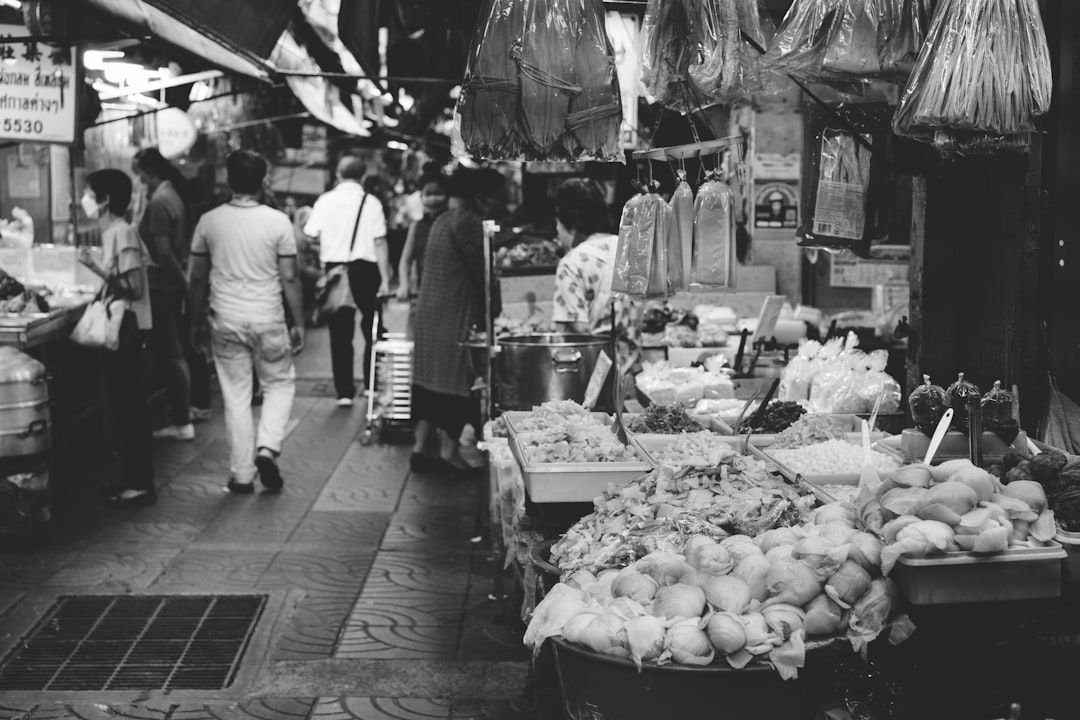
The secret stop is local markets. Not the tourist markets selling cheap souvenirs. We mean authentic local markets where residents shop daily. These vibrant spaces offer everything from fresh produce to handmade crafts. They represent the heart of any community. Here you'll find the true pulse of a destination.
Local markets exist in every culture worldwide. From Tokyo's Tsukiji Fish Market to Marrakech's souks. From Barcelona's La Boqueria to Bangkok's floating markets. Each offers unique insights into local life. They're living museums of culture and commerce. The sights, sounds, and smells create unforgettable sensory experiences.
According to UN World Tourism Organization, markets rank among the most authentic travel experiences. They provide cultural immersion that museums can't match. You interact with local vendors. You taste regional specialties. You witness daily routines unchanged for generations.
Why Markets Beat Typical Tourist Attractions
Markets offer several advantages over standard tourist sites. First, they're usually free to enter. You only pay for what you buy. Second, they're less crowded than major landmarks. You can move comfortably and take your time. Third, they offer better prices than tourist shops.
Most importantly, markets provide genuine cultural exchange. You meet people living their normal lives. You see what they eat, wear, and value. This creates deeper connections than viewing architecture alone. The memories linger long after your tan fades.
The Surprising Benefits of Market Visits
Visiting local markets enhances your travel experience in multiple ways. The benefits extend beyond simple shopping. They impact your understanding of culture, your budget, and your personal growth.
Cultural Immersion Made Easy
Markets serve as cultural classrooms. You learn about local agriculture through seasonal produce. Traditional crafts reveal artistic heritage. Food stalls showcase regional cuisine. The language spoken between vendors and regular customers teaches local dialects.
A University of Colorado study found market visits increase cultural understanding. Participants reported feeling more connected to local communities. They gained insights unavailable in guidebooks.
Budget-Friendly Experiences
Markets help stretch your travel budget significantly. Consider these cost comparisons:
- Restaurant meal: $15-30 per person
- Market food stall: $3-8 per person
- Souvenir shop trinket: $10-25
- Market handmade craft: $2-15
- Supermarket snacks: $8-12
- Market fresh fruits: $1-4
The savings add up quickly. More importantly, you get better quality for less money. Fresh market produce often surpasses supermarket offerings. Handmade crafts possess character mass-produced items lack.
Unexpected Learning Opportunities
Markets teach practical skills you can use forever. You learn to bargain respectfully in different cultures. You discover how to identify quality products. You practice language skills in low-pressure environments. These lessons serve you well beyond your travels.
Many travelers report market visits boost their confidence. Navigating unfamiliar situations builds self-reliance. Successfully communicating across language barriers creates pride. These emotional benefits last longer than material souvenirs.
Finding Authentic Markets Anywhere
Locating genuine local markets requires some strategy. Tourist areas often feature "markets" designed for visitors. These lack the authenticity that makes market visits special. Follow these steps to find the real deal anywhere.
Research Before You Go
Start with online research before your trip. Search for terms like "where locals shop" rather than "tourist markets." Food blogs often provide excellent leads. Local expat forums contain valuable insights. Avoid the first page of search results which typically feature tourist spots.
Consult resources like Atlas Obscura for unusual market suggestions. Check regional tourism boards for market days in smaller towns. These often feature more authentic experiences than permanent city markets.
Ask the Right People
Once you arrive, ask specific questions. Instead of "Where is the market?" try "Where do you buy your groceries?" Hotel staff who live locally often provide the best recommendations. Taxi drivers know where residents actually shop.
Look for these signs of authentic markets:
- Few tourists visible
- Prices listed in local currency only
- Vendors speaking local language primarily
- Practical goods alongside food items
- Early morning crowds of local shoppers
Timing Your Visit
Market timing significantly impacts your experience. Early mornings typically feature the freshest products and most serious shoppers. Late afternoons might offer better deals as vendors reduce prices. Avoid midday when selection decreases and temperatures rise.
Research market days for each destination. Some towns host weekly markets that transform quiet spaces. Others have daily markets with different specialties each day. Planning around these schedules ensures the best experience.
Making the Most of Every Market Visit
Proper preparation enhances market enjoyment tremendously. A successful visit involves more than simply showing up. These strategies help you engage fully with the market experience.
Essential Market Gear
Pack these items for comfortable market exploring:
- Reusable shopping bags (preferably foldable)
- Small bills and coins in local currency
- Hand sanitizer or wet wipes
- Camera or smartphone for photos
- Water bottle to stay hydrated
- Phrasebook or translation app
Wear comfortable walking shoes and weather-appropriate clothing. Markets often involve standing and walking on uneven surfaces. Dressing modestly shows respect in conservative cultures.
Market Navigation Strategies
Follow this approach for stress-free market exploration:
- Walk through the entire market once before buying
- Compare prices and quality at different stalls
- Start with small purchases to test vendors
- Return to your favorite stalls for larger items
- Take breaks at food stalls to people-watch
This method prevents early impulse buys you might regret. It also helps you understand the market layout. You'll identify the best vendors before spending significant money.
Engaging With Vendors
Successful market visits involve positive vendor interactions. Always greet vendors in their language when possible. Smile and make eye contact. Ask questions about products even if you don't plan to buy. Most vendors enjoy sharing knowledge about their goods.
According to BBC Travel's guide to haggling, these techniques work across cultures:
- Begin with friendly conversation
- Ask prices for multiple items together
- Offer about 60% of the initial asking price
- Meet somewhere in the middle
- Walk away politely if prices don't work for you
Remember that small amounts matter less to you than to vendors. Don't fight over trivial sums. The experience matters more than saving pennies.
Practical Tips for Different Market Types
Markets vary significantly by location and specialty. What works in a food market might not apply in a craft market. These specific tips help you navigate different market categories successfully.
Food Markets
Food markets offer incredible culinary opportunities. Look for stalls with long lines of local customers. This indicates quality and popularity. Sample these market foods safely:
- Fresh fruits you can peel yourself
- Hot foods cooked thoroughly while you watch
- Bottled beverages from sealed containers
- Baked goods from busy bakeries
Avoid raw salads, unpasteurized dairy, and lukewarm prepared foods. When in doubt, follow local habits. If residents avoid certain items, you should too.
Craft and Artisan Markets
These markets showcase local artistic traditions. Look for makers demonstrating their crafts. This confirms items are handmade rather than imported. Ask about materials and techniques to show genuine interest.
Consider these factors when buying crafts:
- Will it survive travel home?
- Do you have space for it?
- Does it have personal meaning?
- Is the price fair for the work involved?
Remember that quality handmade items deserve fair payment. Support artists who preserve cultural traditions through their work.
Flea and Antique Markets
These markets require careful inspection of items. Check for damage, repairs, and authenticity. Ask about item history when possible. Bargaining is expected but be respectful of valuable antiques.
The Antique Traders Association recommends these precautions:
- Research prices for similar items online
- Examine items in natural light when possible
- Ask about return policies for significant purchases
- Verify export restrictions for antique items
Real Examples: Transformative Market Experiences
These real traveler stories illustrate how markets create unforgettable moments. Each example shows markets providing experiences unavailable elsewhere.
Maria's Tokyo Breakfast Adventure
Maria visited Tokyo's Toyosu Fish Market at 5 AM. She watched the famous tuna auction she'd read about online. Afterwards, she ate sushi at a market stall. The chef noticed her interest and explained each fish type. He showed her how to identify freshness. This spontaneous lesson became her trip highlight.
"I learned more in that hour than days of museum visits," Maria recalled. "The chef's passion was infectious. I still use his tips when buying fish back home."
David's Moroccan Connection
David got lost in Marrakech's medina. He stumbled upon a small carpet market away from the main square. An elderly vendor invited him for mint tea. They spent an hour discussing carpet patterns and meanings. David bought a small rug that reminds him of that conversation daily.
"That rug cost less than restaurant meals I barely remember," David said. "It connects me to a genuine human moment every time I see it."
Lisa's Vietnamese Cooking Lesson
Lisa visited Hanoi's Dong Xuan Market with a cooking class group. Their teacher explained unfamiliar ingredients. She demonstrated how to select the best produce. Later, they used their market purchases to prepare lunch. Lisa continues cooking Vietnamese dishes years later.
"The market knowledge transformed how I cook," Lisa explained. "I understand flavor combinations differently now. I seek out Asian markets everywhere I travel."
Market Statistics That Will Surprise You
Research confirms what experienced travelers know intuitively. Markets provide exceptional travel value. These statistics from reliable sources prove their importance.
According to Booking.com's 2024 travel report:
- 73% of travelers want more authentic experiences
- 68% prioritize cultural immersion over luxury amenities
- Market visits rank among top 5 most desired activities
- 61% remember market experiences more clearly than museum visits
The World Bank reports these economic impacts:
- Informal markets employ 60% of workers in developing nations
- Tourist spending in markets directly supports local families
- Market vendors typically reinvest earnings in their communities
- Every dollar spent in local markets generates $2.50 in local economic activity
A Psychology Today study revealed:
- Market shopping activates more brain regions than supermarket shopping
- The social interaction during market visits boosts mood significantly
- Travelers report higher satisfaction from market purchases than other shopping
- The multisensory market environment creates stronger memories
Step-by-Step Guide to Your First Market Visit
Follow this simple guide for successful market experiences anywhere. These steps work whether you're in Bangkok or Barcelona.
Step 1: Preparation (Day Before)
Research market locations and hours. Check if it's cash-only. Learn basic local phrases like "hello," "thank you," and "how much?" Plan your transportation. Identify ATMs nearby if needed. Pack your market kit with bags and small bills.
Step 2: Arrival and Orientation
Arrive early for best selection. Walk the entire perimeter first. Notice where different product categories cluster. Identify restrooms and eating areas. Observe how locals interact with vendors. Get a feel for the market rhythm before engaging.
Step 3: Initial Engagement
Start with low-stakes purchases. Buy some fruit or a snack. Practice your language skills. Smile and make eye contact. Ask vendors about their products. Take photos respectfully without interrupting business.
Step 4: Serious Shopping
Return to interesting vendors you noted earlier. Compare prices at multiple stalls. Negotiate politely when appropriate. Buy items that appeal to you personally. Consider practicalities like transport home.
Step 5: Integration and Reflection
Enjoy food you purchased. Talk with other market-goers. Note what you learned about local culture. Consider how this market differs from those back home. Plan how you'll use your purchases.
Frequently Asked Questions
Are markets safe for tourists?
Most markets are very safe. Basic precautions help. Keep valuables secure in crowded areas. Be aware of your surroundings. Stick to well-lit areas. Follow local advice about areas to avoid.
How do I know if prices are fair?
Compare prices at multiple stalls first. Observe what locals pay. Online research provides general price ranges. Remember that small price differences matter less than positive experiences.
What if I don't speak the local language?
Pointing and gestures work surprisingly well. Learn numbers for bargaining. Translation apps help with complex questions. Most vendors appreciate any attempt at their language.
How do I handle food safety concerns?
Choose busy stalls with high turnover. Watch food preparation carefully. Stick to cooked foods and peelable fruits. Avoid tap water and ice in questionable areas.
What's the best way to carry purchases?
Bring foldable reusable bags. Consider a small backpack for hands-free shopping. Buy local baskets or bags as functional souvenirs. Ship large items home if necessary.
How much time should I allocate?
Allow at least two hours for a proper market visit. Larger markets might require half a day. Return visits often reveal new discoveries.
Can I take photos in markets?
Always ask permission before photographing people. Some cultures consider photography rude. Vendors usually appreciate interest in their products. Offer to send photos you take.
Conclusion: Your Travels Will Never Be the Same
Local markets transform how we experience destinations. They provide authentic cultural immersion unavailable elsewhere. The connections made in markets create lasting memories. The skills learned serve travelers beyond their journeys.
Markets appeal to all travel styles and budgets. Food lovers discover new flavors. Shoppers find unique items. Culture seekers witness traditions in action. Even reluctant travelers enjoy the vibrant atmosphere.
Business Insider's recommendation makes perfect sense. No trip feels complete without market visits. They provide the missing piece that elevates travel from good to extraordinary. The sights, sounds, and smells create sensory memories that last lifetimes.
Your next trip awaits. Now you know the secret to making it unforgettable. Skip the crowded tourist traps sometimes. Instead, follow locals to their markets. You'll return home with better stories, deeper understanding, and genuine connections. That's what transformative travel is all about.