
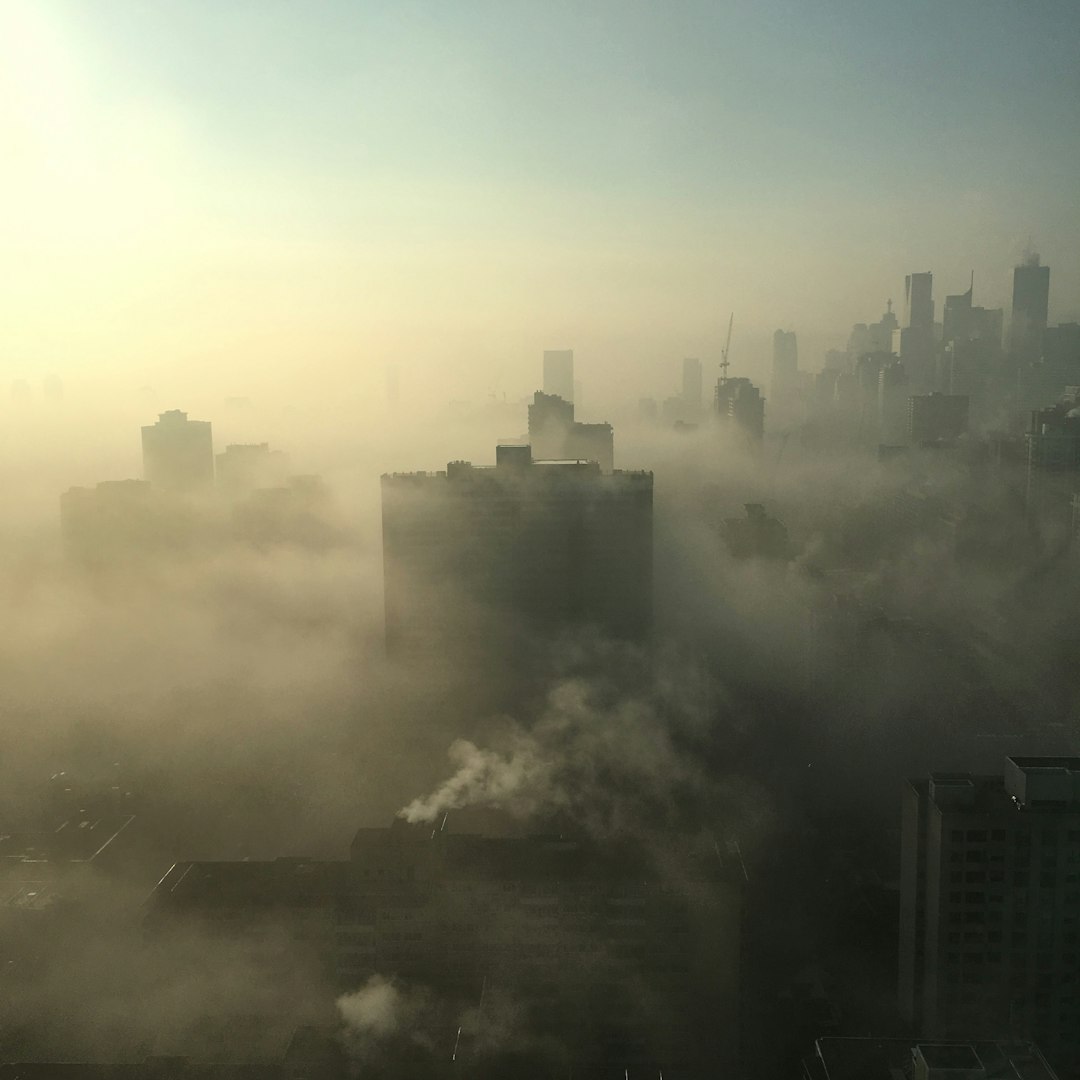
Pollution's Body Journey Revealed - Shocking Path Scientists Discovered
Introduction: The Invisible Invasion
Imagine tiny particles you cannot see. They float in the air around you. These are pollution particles. They come from cars, factories, and fires. Scientists now know how they travel through your body. This journey affects your health in many ways.
For years, researchers wondered about this path. New technology helps them see these tiny travelers. The results surprise everyone. Pollution particles do not just stay in your lungs. They move to other parts of your body too.
This discovery changes how we think about air pollution. It shows why clean air matters so much. Even small amounts of pollution can cause big problems. Understanding this journey helps us protect ourselves better.
In this article, we explore the amazing path of pollution particles. We follow them from your nose to your brain. We learn how they affect different organs. We also share tips to reduce your exposure. Let's begin this fascinating journey together.
The Starting Point: How Pollution Enters Your Body
Breathing In The Problem
Your nose and mouth are the main doors for pollution. When you breathe, air goes into your lungs. Pollution particles come along with the air. Smaller particles go deeper into your lungs. Larger particles get stuck in your nose and throat.
Your body has natural defenses. Tiny hairs in your nose catch some particles. Mucus traps others. But the smallest particles slip through these defenses. They reach the deepest parts of your lungs.
According to the Environmental Protection Agency, particles smaller than 2.5 micrometers are most dangerous. They are called PM2.5. These tiny particles can pass through your lung tissue. Then they enter your bloodstream.
Other Entry Points
Breathing is not the only way pollution enters your body. Particles can also get in through your skin. This happens when pollution settles on your skin. Some particles are small enough to pass through skin pores.
Eating and drinking are other entry points. Pollution settles on food and in water. When you consume these, particles enter your digestive system. From there, they can move to other parts of your body.
Your eyes can also absorb some pollution particles. Tears help wash them away. But some particles may enter through eye tissues.
The Respiratory Route: Lungs As The First Stop
Journey Through The Airways
When you inhale pollution, it travels down your windpipe. This tube divides into smaller tubes called bronchi. These divide into even smaller tubes called bronchioles. At the end are tiny air sacs called alveoli.
Alveoli are where oxygen enters your blood. Pollution particles reach these sacs too. Your body tries to remove them. Special cells called macrophages eat the particles. But sometimes there are too many particles. The macrophages cannot eat them all.
When particles stay in the lungs, they cause inflammation. This leads to coughing and breathing problems. Over time, it can cause serious lung diseases.
From Lungs To Bloodstream
The most surprising discovery is what happens next. Scientists found that pollution particles can cross from lungs to blood. The particles pass through the thin walls of alveoli. Then they enter tiny blood vessels called capillaries.
Once in the bloodstream, particles travel throughout your body. They can reach your heart, brain, and other organs. This explains why air pollution affects so many body systems.
A New England Journal of Medicine study showed this process. Researchers used special tracking methods. They followed pollution particles from lungs to other organs.
The Blood Highway: Pollution's Travel Network
Riding The Blood Current
Your blood vessels are like highways throughout your body. Pollution particles use these highways to travel. They move with the blood flow. Blood carries oxygen and nutrients to all organs. Unfortunately, it also carries pollution particles.
The particles are very small. They can squeeze through tiny blood vessels. This lets them reach even the most protected organs. Your brain has a special barrier to keep out harmful substances. But pollution particles can sometimes cross this barrier too.
Your heart pumps blood to every part of your body. With each heartbeat, pollution particles get pushed further. They can travel from your head to your toes in less than a minute.
Where The Particles Go
Scientists have found pollution particles in many organs. Here are the main destinations:
- Heart: Particles can cause inflammation in blood vessels. This increases heart disease risk.
- Brain: Particles may contribute to memory problems and other brain issues.
- Liver: Your liver tries to filter out toxins. Pollution particles can damage liver cells.
- Kidneys: These organs filter blood. Pollution particles can strain their work.
- Reproductive organs: Particles may affect fertility and pregnancy.
Organ Impact: How Pollution Affects Different Body Parts
Brain and Nervous System
Pollution particles in the brain are concerning. They can cause inflammation in brain tissue. This may lead to headaches, memory problems, and mood changes. Some studies link air pollution to higher dementia risk.
Children are especially vulnerable. Their brains are still developing. Pollution exposure may affect learning and behavior. A World Health Organization report shows this concern.
Parkinson's and Alzheimer's diseases might also connect to pollution. More research is needed. But the evidence is growing.
Heart and Blood Vessels
Your heart works hard to pump blood. Pollution particles make this job harder. They cause inflammation in blood vessels. This can lead to high blood pressure and heart attacks.
Particles may also make blood thicker. This increases clotting risk. Blood clots can cause strokes and heart attacks. People with existing heart conditions are at higher risk.
The American Heart Association warns about pollution's heart effects. They advise people with heart disease to avoid polluted areas.
Lungs and Breathing System
Lungs get the most direct exposure to pollution. Particles cause inflammation and irritation. This leads to coughing, wheezing, and shortness of breath.
Long-term exposure can cause serious conditions. Asthma may develop or worsen. COPD (chronic obstructive pulmonary disease) risk increases. Lung cancer risk also goes up with pollution exposure.
Children and elderly people are most vulnerable. Their lungs are more sensitive to damage.
Scientific Breakthroughs: How Researchers Made The Discovery
New Tracking Technology
Scientists used to struggle to track pollution particles. The particles are too small to see with regular microscopes. New technology changed this. Advanced imaging methods now let researchers follow the particles.
One method uses special tags on particles. These tags glow under certain lights. Scientists can track them in real time. Another method uses very powerful microscopes. These can see individual particles inside tissues.
Computer models also help. They simulate how particles move through the body. These models combine with real data. Together they create a complete picture.
Key Research Findings
Several studies revealed important facts. Here are the major discoveries:
- Particles can cross from lungs to blood in minutes
- They travel to all major organs
- Some particles stay in organs for weeks or months
- The body cannot remove all particles
- Particles cause inflammation wherever they go
A Nature journal study showed particles in brain tissue. This was a breakthrough finding. It proved pollution reaches even protected organs.
Protection Strategies: How To Reduce Your Exposure
Air Quality Awareness
Know your local air quality. Check air quality indexes regularly. Many weather apps include this information. The AirNow website provides real-time air quality data.
Plan outdoor activities when air quality is better. Usually, mornings have better air quality. Avoid exercise near busy roads. Trees and parks often have cleaner air.
On bad air days, stay indoors as much as possible. Keep windows closed. Use air purifiers if available.
Home and Work Protection
Your indoor air quality matters too. Here are ways to improve it:
- Use air purifiers with HEPA filters
- Keep windows closed during high pollution times
- Clean regularly to remove settled dust
- Avoid smoking indoors
- Use exhaust fans when cooking
- Choose cleaning products with low chemical content
At work, ask about air quality measures. Proper ventilation is important. Some workplaces have air quality monitoring.
Personal Protection Measures
When you must go outside in polluted air, protect yourself:
- Wear a mask designed for pollution protection
- Choose routes with less traffic
- Travel during off-peak hours
- Shower after being in heavily polluted areas
- Change clothes if exposed to heavy pollution
Masks should fit properly. N95 or similar masks work best. Regular cloth masks offer less protection against tiny particles.
Global Impact: Pollution Statistics and Facts
By The Numbers
Air pollution affects everyone worldwide. Here are key statistics:
- 9 out of 10 people breathe polluted air (WHO)
- Air pollution causes 7 million premature deaths yearly
- PM2.5 pollution reduces global life expectancy by 2 years
- Children in polluted areas have 20% smaller lung capacity
- Air pollution costs the global economy $5 trillion yearly
These numbers show the scale of the problem. Pollution affects health, economies, and quality of life everywhere.
Regional Differences
Some areas have worse pollution than others. Cities often have higher pollution levels. Industrial areas and places with heavy traffic are particularly bad.
Developing countries face special challenges. Many lack clean energy sources. Industrial controls may be weaker. Population density adds to the problem.
But pollution travels across borders. Wind carries particles long distances. So even clean areas can get pollution from elsewhere.
Future Research: What Scientists Are Studying Now
Ongoing Investigations
Researchers continue to study pollution's body journey. They want to know more about:
- How different particle types behave in the body
- Long-term effects of low-level exposure
- Ways to help the body remove particles
- Protective measures that really work
- Genetic factors that affect vulnerability
New studies follow people over many years. This helps understand long-term effects. Animal studies provide additional insights. Laboratory research examines cellular mechanisms.
Promising Solutions
Scientists are developing new approaches to the pollution problem:
- Better air filtration systems
- Materials that capture pollution particles
- Medicines that might protect against pollution damage
- Early warning systems for pollution events
- Urban planning strategies to reduce exposure
The NASA and other space agencies help too. They monitor global pollution from space. This data helps understand pollution patterns and sources.
Frequently Asked Questions
Can my body remove pollution particles naturally?
Yes, your body has natural cleaning systems. Your lungs have tiny hairs called cilia. These move particles out of your airways. Your liver filters toxins from blood. Your kidneys remove waste through urine. But these systems can get overwhelmed by high pollution levels.
How long do pollution particles stay in my body?
It depends on the particle type and where it goes. Some particles leave quickly. Others may stay for weeks or months. Very small particles can embed deep in tissues. Your body may wall them off rather than remove them.
Do air purifiers really help?
Yes, good air purifiers can reduce indoor pollution. Choose purifiers with HEPA filters. These can capture small particles. Proper sizing is important too. A small purifier in a large room will not work well. Regular filter changes are necessary for best performance.
Can eating certain foods protect me from pollution?
Some foods might help your body handle pollution better. Foods rich in antioxidants are beneficial. These include fruits and vegetables. Omega-3 fatty acids from fish may reduce inflammation. But food cannot completely protect you from pollution exposure.
Are children more affected by pollution?
Yes, children are more vulnerable for several reasons. They breathe more air per body weight. Their organs are still developing. They often play outside where pollution levels may be higher. Protecting children from pollution is especially important.
Does exercise in polluted air help or harm?
Exercise is generally good for health. But exercising in polluted air can be harmful. You breathe deeper during exercise. This means more pollution enters your lungs. Try to exercise in clean air areas. Indoor exercise may be better on high pollution days.
Can pollution particles affect unborn babies?
Yes, pollution can affect pregnancy. Particles can cross the placenta. This may affect fetal development. Pregnant women should especially avoid polluted areas. Good prenatal care includes attention to air quality.
Real World Examples: Pollution Effects in Different Cities
Case Study: Delhi, India
Delhi has some of the world's worst air pollution. Winter months are particularly bad. The city often experiences severe smog. Hospitals see more respiratory problems during these times. Schools sometimes close due to dangerous air quality.
Researchers studied Delhi residents. They found pollution particles in various organs. Many people report chronic health issues. The government has started anti-pollution measures. But progress is slow.
Case Study: Los Angeles, USA
Los Angeles has improved its air quality over decades. Strict regulations helped reduce pollution. But problems remain. Traffic still creates significant pollution. Geographic features trap pollution in the area.
Studies show even current pollution levels affect health. Asthma rates remain high. Researchers found pollution particles in residents' bodies. Continued efforts are needed.
Case Study: Beijing, China
Beijing faced severe air pollution problems. The government implemented strong controls. They restricted cars and closed polluting factories. Air quality has improved significantly.
But past exposure still affects residents. Studies show health impacts from earlier high pollution. This demonstrates why early action is important. The United Nations Environment Programme tracks such improvements.
Practical Tips Section: Daily Habits For Cleaner Air Exposure
Morning Routine Adjustments
Start your day with air quality awareness. Check local air quality indexes. Plan your day accordingly. If air quality is poor:
- Close windows before leaving home
- Use public transportation instead of walking
- Reschedule outdoor exercise
- Wear a pollution mask if necessary
Keep indoor air clean. Use air purifiers in bedrooms. Houseplants can help slightly. But they are not a complete solution.
Commuting Smartly
Your daily travel choices matter. Consider these options:
- Choose routes with less traffic
- Travel during off-peak hours
- Use car ventilation systems properly
- Consider working from home when possible
- Use public transportation with good air filtration
If you drive, keep windows closed in heavy traffic. Use recirculated air mode in polluted areas.
Home Environment Improvements
Make your home a pollution-free haven:
- Use doormats to reduce tracked-in pollution
- Remove shoes at the door
- Clean with vacuums that have HEPA filters
- Avoid burning candles or incense
- Choose low-VOC paints and products
- Maintain good ventilation without bringing in polluted air
Regular cleaning reduces settled dust. Dust often contains pollution particles.
Conclusion: Key Takeaways and Future Hope
Scientists have made an important discovery. We now understand how pollution travels through our bodies. The journey starts when we breathe. Particles enter through our lungs. Then they move into our bloodstream. From there, they reach all our organs.
This knowledge explains why pollution affects so many aspects of health. It is not just about breathing problems. Pollution can harm our hearts, brains, and other organs. Even small amounts of exposure matter over time.
The good news is that we can take action. We can check air quality regularly. We can protect ourselves on bad air days. We can improve our indoor air quality. Small changes in daily habits make a difference.
Governments and industries also have important roles. Clean energy sources reduce pollution. Better public transportation helps. Environmental regulations protect public health.
Research continues to give us better understanding. New technologies help track pollution's effects. Better protection methods are developing. There is hope for cleaner air in the future.
Everyone deserves clean air to breathe. Understanding pollution's body journey helps us achieve this goal. Share this knowledge with others. Work together for cleaner air in your community. Our health depends on the air we breathe every day.