
Mystery Mpox Case Stuns Doctors: No Travel Link Found
Introduction: A Medical Mystery Unfolds
California health officials made a shocking discovery. They found the first US case of a severe mpox strain. The patient had no travel history. This means they got infected locally. The case was confirmed in August 2024. It has doctors very worried.
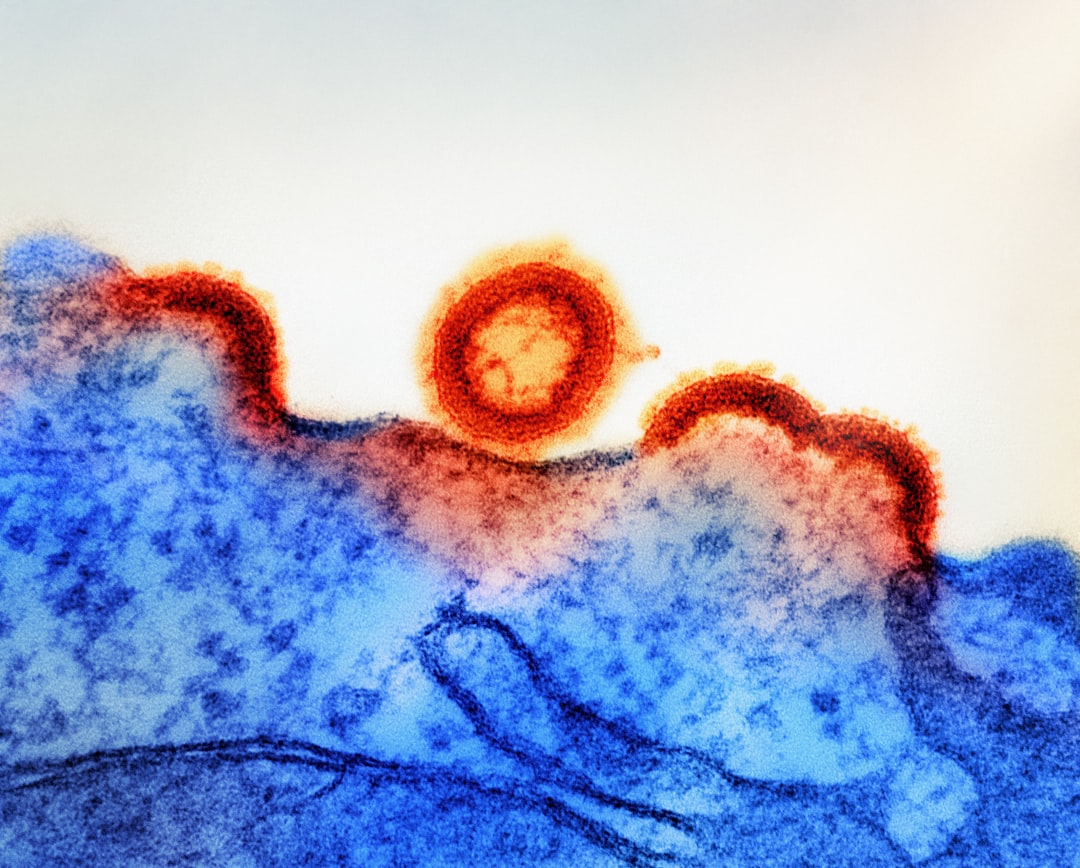
Mpox, formerly called monkeypox, is a viral disease. It can cause fever, rash, and swollen glands. The severe strain found is more dangerous. It can lead to serious complications. Health experts are racing to understand how this happened.
This case is important for several reasons. First, it shows local transmission of a severe strain. Second, it highlights gaps in our health monitoring. Third, it reminds us that diseases can spread in unexpected ways. Everyone should pay attention to this development.
The World Health Organization (WHO) has been tracking mpox since 2022. They declared it a global health emergency. Now this new case adds another layer of concern. Public health officials are working hard to contain any spread.
What is Mpox and Why This Case Matters
Understanding the Mpox Virus
Mpox is a viral zoonotic disease. This means it can spread from animals to humans. It was first discovered in 1958. The first human case was in 1970. The virus belongs to the orthopoxvirus family. Smallpox is in the same family.
The virus has two main clades. Clade I is more severe with higher mortality. Clade II is less severe. The California case involves a severe strain. This is what makes it particularly concerning.
Common symptoms include:
- Fever
- Headache
- Muscle aches
- Swollen lymph nodes
- Rash that turns to blisters
- Exhaustion
Why This Case is Different
This case breaks the usual pattern. Most mpox cases in the US had clear travel links. Patients had visited countries where mpox is common. This patient had not traveled recently. This suggests local transmission.
Local transmission means the virus is circulating in communities. People can get infected without traveling. This makes containment much harder. Health departments must work faster to find contacts.
The Centers for Disease Control and Prevention (CDC) is leading the investigation. They are tracing everyone the patient contacted. They are also testing samples from the area. Their goal is to prevent more cases.
The Investigation: How Health Officials Are Responding
Immediate Actions Taken
California health officials sprang into action. They isolated the patient immediately. They began contact tracing within hours. They alerted hospitals and clinics statewide. They also notified the CDC.
The investigation involves multiple steps:
- Interviewing the patient about recent activities
- Identifying all close contacts
- Testing potential contacts for infection
- Monitoring contacts for 21 days
- Testing environmental samples
- Sequencing the virus genome
Challenges in the Investigation
Health officials face several challenges. The patient's lack of travel history makes source tracing difficult. They must consider many possible exposure routes. These include:
- Contact with infected animals
- Contact with infected people
- Contact with contaminated materials
- Healthcare settings exposure
Another challenge is the incubation period. Mpox can take 5-21 days to show symptoms. The patient might have exposed others without knowing. This is why contact tracing is so important.
Mpox Transmission: How It Spreads and Prevention
Modes of Transmission
Mpox spreads through close contact. This includes direct contact with rash, scabs, or body fluids. It can also spread through respiratory droplets. These are small particles from coughing or sneezing.
Other transmission routes include:
- Touching contaminated objects (clothing, bedding)
- Contact with infected animals
- From pregnant person to fetus
The virus can survive on surfaces for some time. How long depends on the surface and conditions. Generally, it can live for hours to days. Proper cleaning can kill the virus.
Prevention Strategies
Preventing mpox spread requires multiple approaches. The CDC recommends these steps:
- Avoid close contact with infected people
- Wash hands frequently with soap
- Use alcohol-based hand sanitizer
- Avoid contact with wild animals
- Cook meat thoroughly
- Use personal protective equipment when caring for patients
Vaccination is another important tool. The JYNNEOS vaccine is approved for mpox. It can prevent infection or make it less severe. High-risk individuals should consider vaccination.
Global Mpox Situation and Statistics
Current Global Numbers
The WHO provides regular updates on mpox cases. As of August 2024, over 95,000 cases have been reported worldwide. There have been more than 180 deaths. The United States has reported over 30,000 cases.
These numbers come from the World Health Organization. They show that mpox remains a global concern. Cases have declined since the 2022 peak. But new outbreaks still occur.
US Situation Overview
The CDC tracks mpox cases across America. California has reported the most cases. New York and Florida follow. Most cases have been in urban areas. But rural cases are also possible.
Key US statistics include:
- Over 30,000 confirmed cases since 2022
- 42 deaths attributed to mpox
- Cases reported in all 50 states
- 90% of cases in men who have sex with men
- Most cases in people aged 30-39
These statistics come from the CDC's mpox tracker. They help health officials target prevention efforts.
Practical Protection: What You Can Do
Everyday Prevention Tips
Protecting yourself from mpox is similar to other infections. Good hygiene is key. Wash your hands often. Use soap and water for 20 seconds. Alcohol-based sanitizer works when soap isn't available.
Other practical steps include:
- Avoid close contact with sick people
- Don't share bedding or towels
- Clean frequently touched surfaces
- Be careful in crowded places
- Stay home if you feel sick
When to Seek Medical Help
Know the symptoms of mpox. If you develop fever plus a new rash, see a doctor. Tell them about any possible exposures. This helps them make the right diagnosis.
Seek immediate medical care if you have:
- Difficulty breathing
- Chest pain
- Severe headache
- Confusion or seizures
- Rash near eyes or mouth
Early treatment can prevent complications. Don't wait to get help if you're concerned.
Frequently Asked Questions
What is the difference between mpox and monkeypox?
Mpox is the new name for monkeypox. The WHO changed the name in 2022. They wanted to reduce stigma. The virus and disease are the same. Only the name changed.
How deadly is mpox?
The death rate varies by strain. The severe strain has about 10% mortality. The milder strain has less than 1% mortality. Most people recover with proper care. But severe cases can be fatal.
Can I get mpox from surfaces?
Yes, but it's less common. The virus can live on surfaces. Touching contaminated objects can spread infection. Regular cleaning reduces this risk. Wash your hands after touching public surfaces.
Is there a vaccine for mpox?
Yes. The JYNNEOS vaccine is approved. It's about 85% effective. The CDC recommends it for high-risk groups. This includes healthcare workers and people with multiple partners.
How long does mpox last?
Illness typically lasts 2-4 weeks. The rash goes through several stages. It starts as spots, becomes blisters, then scabs. People are contagious until scabs fall off.
Can animals spread mpox?
Yes. Some animals can carry mpox. Rodents and primates are most common. Avoid contact with wild animals. Don't keep wild animals as pets.
What should I do if I was exposed?
Contact your healthcare provider immediately. They can advise about testing and vaccination. Monitor for symptoms for 21 days. Avoid close contact with others during this time.
Real Examples and Case Studies
Previous Outbreak Patterns
The 2022 global outbreak taught us valuable lessons. One study followed 528 patients. Most had mild disease. But 13% needed hospital care. Common complications included skin infections and eye problems.
Another study looked at transmission patterns. It found that most spread happened through close physical contact. Sexual contact accounted for 95% of cases. This helped health officials target prevention messages.
Successful Containment Stories
Some countries contained mpox quickly. The United Kingdom used rapid contact tracing. They vaccinated close contacts within days. This approach prevented larger outbreaks.
Canada also had success. They launched public awareness campaigns early. They made testing easily available. These steps helped control spread. The Public Health Agency of Canada provides detailed guidance.
Step-by-Step Guide: What to Do If You Have Symptoms
Step 1: Self-Isolate Immediately
If you develop mpox symptoms, stay home. Don't go to work or school. Avoid public transportation. Stay in a separate room from household members. Use a separate bathroom if possible.
Step 2: Contact Healthcare Provider
Call your doctor or local health department. Don't visit in person without calling first. Describe your symptoms. Mention any possible exposures. Follow their instructions for testing.
Step 3: Manage Symptoms
Most mpox cases are mild. You can manage symptoms at home. Rest and drink plenty of fluids. Take acetaminophen for fever and pain. Don't scratch the rash. Keep lesions clean and covered.
Step 4: Prevent Household Spread
If you live with others, take precautions. Wear a mask around them. Don't share dishes or towels. Clean surfaces regularly. Wash your hands frequently. Tell household members to monitor for symptoms.
Step 5: Follow Medical Advice
Your healthcare provider will give specific instructions. Follow them carefully. They might prescribe antiviral medication. They'll tell you when isolation can end. Typically, this is after scabs fall off.
Conclusion: Staying Vigilant in Changing Times
The California mpox case is a wake-up call. It shows that diseases can appear unexpectedly. We must remain vigilant. Public health systems need strong support. Individual awareness matters too.
This case highlights several key points. First, disease surveillance must be robust. Second, public communication should be clear. Third, healthcare access must be equitable. Everyone should get care when needed.
Looking ahead, we can take positive steps. Support public health funding. Get vaccinated if recommended. Practice good hygiene. Stay informed about health alerts. These actions protect everyone.
The mpox situation continues to evolve. Scientists learn more each day. Health officials adapt their strategies. By working together, we can manage this challenge. Stay safe, stay informed, and take care of each other.
For the latest updates, visit the CDC mpox page. Your local health department also has current information. Don't hesitate to reach out with questions or concerns.