
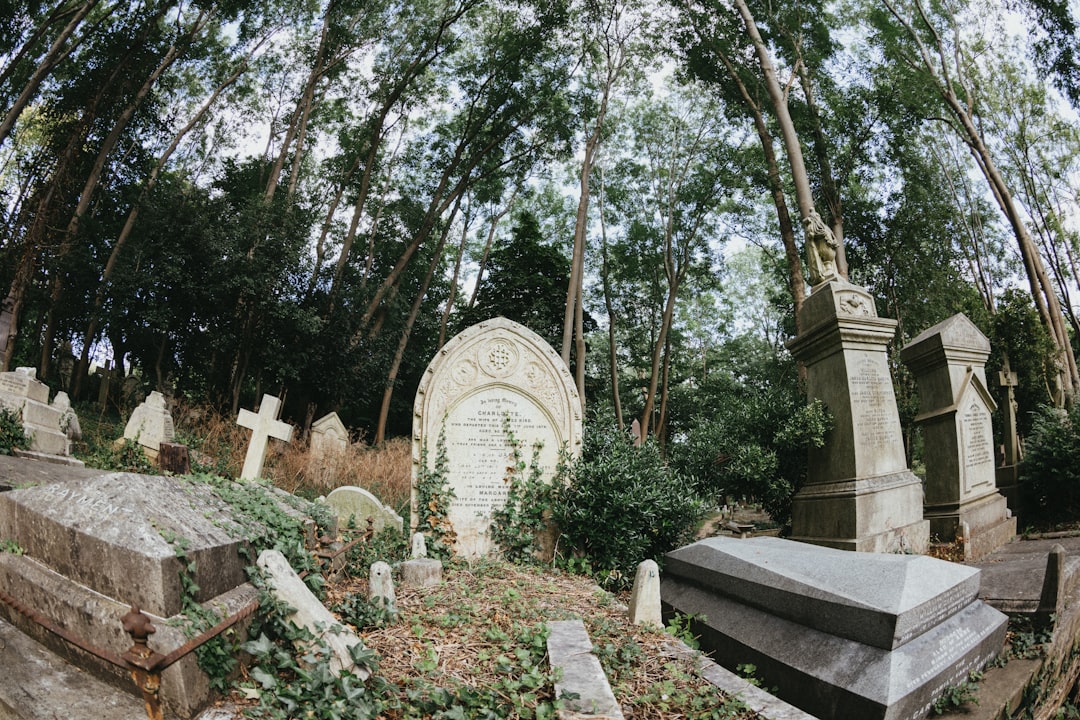
Graveyard Adventures: Why Tombstone Tourism Is Exploding
Introduction: Discovering the World of Tombstone Tourism
Have you ever walked through an old cemetery? The quiet peace can feel special. Some people love visiting graveyards. They are called taphophiles. This word comes from Greek. 'Taphos' means tomb and 'philia' means love. These travelers find beauty in cemeteries. They explore historic burial grounds worldwide. Tombstone tourism is growing fast. More people discover this unique hobby every day.
Why would anyone visit graveyards for fun? The reasons might surprise you. Cemeteries are outdoor museums. They contain amazing art and architecture. They tell stories about local history. Famous people rest in many cemeteries. Their graves attract visitors. Some cemeteries are like beautiful parks. They offer quiet spaces in busy cities. The atmosphere feels peaceful and thoughtful.
This guide will explore tombstone tourism. You will learn why people love it. We will share tips for your first visit. You will discover famous cemeteries worldwide. We include safety advice and proper behavior. This hobby connects you with history in a special way. Let's begin our journey into the world of taphophiles.
What Exactly Is Tombstone Tourism?
Tombstone tourism means visiting cemeteries as a hobby. It is also called cemetery tourism or grave hunting. People do this for many reasons. Some want to see famous graves. Others enjoy the art and architecture. Many find peace in these quiet places. The hobby has become more popular recently.
Understanding Taphophilia
Taphophilia is the love of cemeteries. It is not about being sad or morbid. Taphophiles appreciate history and art. They respect the people buried there. Many take photographs of interesting graves. Some do gravestone rubbings. This means making copies of inscriptions. It helps preserve historical information.
Different Types of Cemetery Visitors
Not all cemetery visitors are the same. Here are the main types:
- History lovers: They study local history through graves
- Genealogists: People researching family history
- Art enthusiasts: Those who appreciate sculpture and design
- Famous grave hunters: Visitors looking for celebrity resting places
- Nature lovers: People who enjoy cemetery gardens and wildlife
- Photographers: Artists capturing cemetery beauty
Why Tombstone Tourism Is Growing Rapidly
Tombstone tourism has seen big growth. More people are visiting cemeteries for enjoyment. The AFAR travel magazine reports increased interest. Social media plays a big role. People share beautiful cemetery photos online. This makes others want to visit too.
Statistics Show the Trend
Recent numbers prove this trend is real:
- Père Lachaise Cemetery in Paris gets 3.5 million visitors yearly
- La Recoleta in Buenos Aires attracts 1 million tourists annually
- US cemetery tourism grew 40% in the last decade according to The New York Times
- Google searches for "famous graves" increased 60% since 2020
Reasons for Popularity
Several factors explain this growth:
- Unique experiences: People want different travel activities
- Historical interest: Growing curiosity about the past
- Peaceful environments: Cemeteries offer quiet in noisy cities
- Free or low cost: Most cemeteries don't charge entry fees
- Photography opportunities: Beautiful settings for pictures
Famous Cemeteries Around the World
Some cemeteries became major tourist attractions. They draw visitors from everywhere. Each has unique features and famous residents.
Père Lachaise Cemetery, Paris
This might be the world's most famous cemetery. Located in Paris, France. It opened in 1804. Many famous people are buried here. Jim Morrison from The Doors rests here. Oscar Wilde's grave is very popular. Visitors leave lipstick kisses on it. Edith Piaf, the French singer, is here too. The cemetery feels like a beautiful park. It has amazing sculptures and trees.
La Recoleta Cemetery, Buenos Aires
This cemetery looks like a small city. It has streets and fancy mausoleums. Eva Perón is the most famous person here. Many Argentinian presidents rest here too. The architecture is stunning. It shows the wealth of past generations. According to Encyclopedia Britannica, it's a national monument.
Highgate Cemetery, London
Highgate has two parts. The West Cemetery is especially beautiful. It feels wild and overgrown. Karl Marx is buried here. So are many famous writers. The cemetery appears in movies and books. It represents the Victorian garden cemetery movement.
Other Notable Cemeteries
- Arlington National Cemetery, USA: Military heroes and presidents
- Old Jewish Cemetery, Prague: Ancient and atmospheric
- Waverley Cemetery, Sydney: Cliffside location with ocean views
- Green-Wood Cemetery, New York: Historic and beautifully designed
Getting Started: Your First Cemetery Visit
Planning your first cemetery visit? Follow these steps for a good experience.
Research Before You Go
Learn about the cemetery beforehand. Check opening hours online. Some close early. Find maps if available. Look for famous graves you might want to see. Read about the cemetery's history. This makes your visit more meaningful.
What to Bring
- Comfortable shoes: You will walk a lot
- Water and snacks: Especially in large cemeteries
- Camera or phone: For photos
- Notebook and pen: To record interesting finds
- Map or guidebook: If available
- Weather protection: Sunscreen or umbrella
Finding Your Way Around
Large cemeteries can be confusing. Look for information boards at the entrance. Many have maps showing famous graves. Some offer guided tours. These are great for first-time visitors. You can also download cemetery apps. They provide maps and information.
Cemetery Etiquette: How to Behave Properly
Respect is very important in cemeteries. Follow these rules to be a good visitor.
Basic Rules of Conduct
- Be quiet and respectful: People might be mourning
- Stay on paths: Don't walk on graves
- Don't touch monuments: They can be fragile
- Take photos discreetly: Avoid disturbing others
- Don't leave trash: Keep the cemetery clean
- Follow posted rules: Each cemetery has its own regulations
Photography Guidelines
Photography is usually allowed. But be respectful. Don't take pictures of mourners. Avoid using flash during funerals. Don't move flowers or objects for better shots. The Association for Gravestone Studies provides detailed guidelines.
Special Considerations
Some cemeteries have unique rules. Religious cemeteries might require head coverings. Military cemeteries have strict behavior codes. Always check specific rules before visiting.
The Art and Symbolism of Gravestones
Gravestones tell stories through art and symbols. Understanding these makes visits more interesting.
Common Cemetery Symbols
Gravestones use many symbols. Each has a meaning:
- Angels: Spirituality and protection
- Books: Learning or the book of life
- Flowers: Beauty and the brevity of life
- Hourglasses: The passage of time
- Lambs: Often on children's graves
- Urns: Ancient symbol of death
- Willow trees: Mourning and sadness
Materials and Styles
Gravestones use different materials. Each era had popular styles:
- Colonial era: Simple slate stones with death's heads
- Victorian era: Elaborate marble and granite monuments
- Modern era: Simpler designs with personal touches
Reading Gravestone Inscriptions
Old gravestones can be hard to read. Look for these common elements:
- Name and dates: The person's identity
- Epitaphs: Short messages about the person
- Relationships: Often mentions family members
- Symbols: Visual representations of beliefs
Practical Tips for Tombstone Tourists
These tips will make your cemetery visits better and safer.
Planning Your Visits
Good planning improves your experience:
- Visit during daylight: Safer and better for photos
- Check weather forecasts: Avoid rainy days if possible
- Go on weekdays: Less crowded than weekends
- Allow enough time: Large cemeteries need 2-3 hours
- Start with famous cemeteries: They often have better facilities
Safety Considerations
Stay safe during your visits:
- Tell someone where you're going: Especially in remote areas
- Watch your step: Uneven ground and old stones
- Be aware of surroundings: Some urban cemeteries have security issues
- Carry a phone: For emergencies
- Respect wildlife: Animals sometimes live in cemeteries
Making the Most of Your Visit
Enhance your cemetery experience:
- Take a guided tour: Learn from experts
- Join a cemetery group: Meet other enthusiasts
- Keep a journal: Record your observations
- Learn photography skills: Capture cemetery beauty
- Research between visits: Deepen your knowledge
Frequently Asked Questions About Tombstone Tourism
Is it disrespectful to visit cemeteries as a tourist?
No, if you behave properly. Most cemeteries welcome visitors. Your interest helps preserve these historic places. Just be quiet and respectful. Avoid areas with funerals.
Are cemeteries safe to visit?
Generally yes. Most are very safe. Stick to daylight hours. Be aware of your surroundings. Follow basic safety rules like in any public space.
Can I take photographs in cemeteries?
Usually yes. But check for posted rules. Some religious cemeteries restrict photography. Always be discreet. Never photograph mourners.
What should I wear to a cemetery?
Dress modestly and comfortably. Wear good walking shoes. Consider weather conditions. Some religious sites require covered shoulders or heads.
How do I find specific graves?
Many cemeteries have online databases. Office staff can often help. Some have maps at entrances. Mobile apps are also available for famous cemeteries.
Can children visit cemeteries?
Yes, with supervision. Teach them proper behavior. Many children find cemeteries interesting. It can be educational about history and art.
Are cemetery tours available?
Many famous cemeteries offer tours. Some are free, others charge. Check their websites for schedules. Private tours are also available in some places.
Real Examples: Tombstone Tourism Experiences
Here are stories from real tombstone tourists. They show why people love this hobby.
Sarah's Paris Adventure
Sarah visited Père Lachaise in Paris. She spent four hours exploring. "I found Oscar Wilde's grave covered in lipstick kisses," she said. "The art nouveau monuments were stunning. I felt like I was in an outdoor museum." Sarah took hundreds of photos. She plans to visit more European cemeteries.
Mark's Family History Project
Mark uses cemetery visits for genealogy research. "I found my great-grandparents' graves," he explained. "Reading the inscriptions helped me understand their lives. Cemeteries connect me to my family's past." Mark now volunteers documenting local cemetery records.
Lisa's Photography Passion
Lisa is a photographer. She loves cemetery atmospheres. "The light through old trees creates magic," she said. "The sculptures make perfect subjects. I've sold several cemetery photos as art prints." Her work helps people see cemeteries as beautiful places.
The Future of Tombstone Tourism
This hobby continues to evolve. New trends are emerging.
Technology and Cemeteries
Technology changes how we experience cemeteries:
- Virtual tours: Online visits for those who can't travel
- Mobile apps: Interactive maps and information
- Digital databases: Easy grave location services
- Social media: Sharing experiences and discoveries
Preservation Efforts
Tourism helps cemetery preservation. Visitor interest brings funding. Many historic cemeteries need repair. Tourism revenue supports these projects. The National Trust works to protect historic burial grounds.
Changing Attitudes
People see cemeteries differently now. They are recognized as cultural resources. Cities develop cemetery tourism programs. Educational activities increase understanding. The stigma around cemetery visits is fading.
Conclusion: Your Journey into Tombstone Tourism
Tombstone tourism offers unique experiences. It combines history, art, and nature. You can start this hobby anywhere. Local cemeteries hold hidden treasures. Famous cemeteries provide unforgettable visits.
Remember to always be respectful. These are sacred spaces for many people. Follow proper etiquette. Your interest helps preserve important cultural sites. Each visit teaches something new about human history.
Start with a cemetery near you. Notice the different stone styles. Read the inscriptions. Appreciate the peace and beauty. You might discover a new passion. Many people find cemetery visits surprisingly uplifting. They connect us with the past in meaningful ways.
The world of tombstone tourism awaits. Grab your camera and comfortable shoes. Begin your adventure today. Discover why millions find cemeteries fascinating. You'll see history through new eyes. Every stone tells a story waiting to be discovered.