
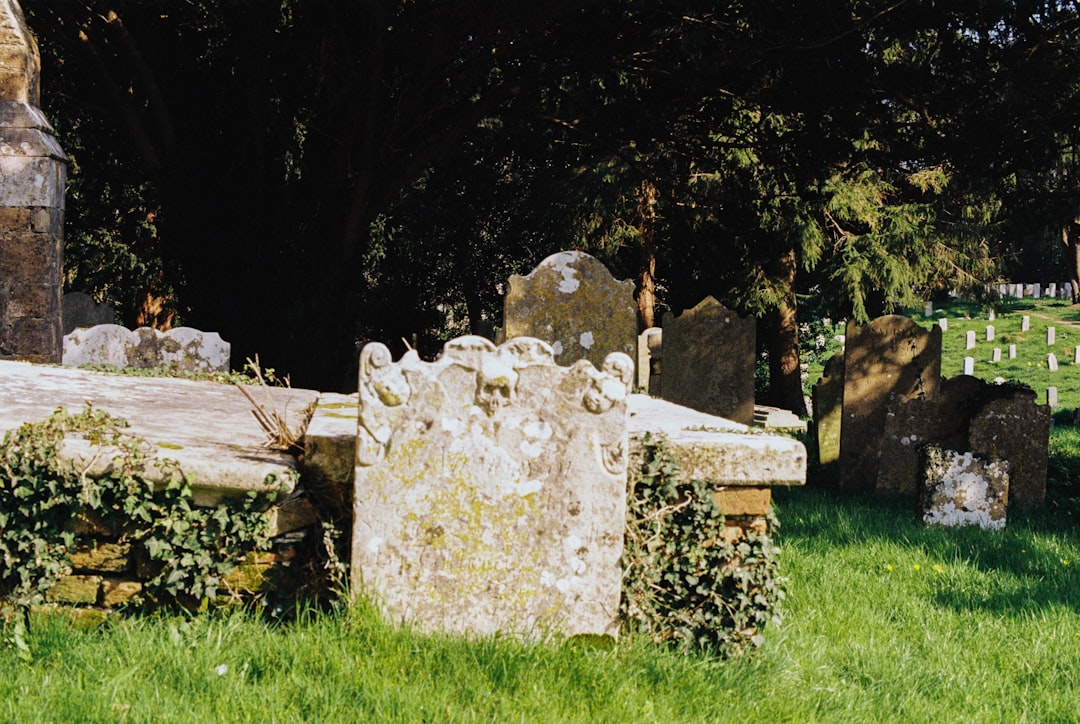
Graveyard Adventures: Why People Love Tombstone Tourism
Introduction: Discovering the World of Tombstone Tourism
Have you ever walked through an old cemetery? Many people find peace in these quiet places. Some travelers make graveyards their main destination. They are called taphophiles. This word comes from Greek. 'Taphos' means tomb and 'philia' means love. These travelers enjoy exploring burial grounds. They find beauty in old stones and stories. This hobby might seem unusual. But it has a growing following worldwide.
People visit cemeteries for many reasons. Some want to see famous graves. Others enjoy the art and architecture. Many find historical connections. Cemeteries tell stories about communities. They show how people lived and died. Each tombstone has a story. Taphophiles listen to these silent stories. They discover forgotten histories. They connect with the past in a unique way.
This travel trend is becoming more popular. Social media helps people share their experiences. Many travelers post photos of beautiful cemeteries. They join online groups to discuss their visits. Some even plan trips around famous burial sites. This guide will explore this fascinating hobby. We will look at why people do it. We will share tips for your own visits. You might discover a new way to travel.
What Exactly is Tombstone Tourism?
Tombstone tourism means visiting cemeteries as a hobby. It is also called cemetery tourism or grave hunting. People do this for enjoyment and education. They are not there for funerals. They come to appreciate these special places. Each cemetery has its own character. Some are ancient and crumbling. Others are well-maintained parks. All have stories to tell.
Different Types of Cemetery Visitors
Not all cemetery visitors are the same. Some come for specific reasons:
- History lovers: They study old graves and monuments
- Genealogy researchers: They look for family connections
- Art and architecture fans: They admire stone carving and design
- Famous grave hunters: They seek celebrity burial sites
- Nature enthusiasts: They enjoy cemetery gardens and wildlife
Why Cemeteries Attract Visitors
Cemeteries offer many interesting things to see. Old tombstones have beautiful carvings. They show symbols with special meanings. Angels, flowers, and crosses tell stories. Some graves have amazing statues. Others have unique designs. Many cemeteries are like outdoor museums. They preserve local history and art.
Famous people are buried in cemeteries worldwide. Visitors can pay respects to heroes and artists. For example, Jim Morrison's grave in Paris attracts many fans. Oscar Wilde's tomb in London is also popular. These visits connect people with history. They make the past feel more real.
The History Behind Cemetery Tourism
People have visited graves for centuries. But modern tombstone tourism began in the 1800s. That is when cities created large garden cemeteries. These were designed as beautiful parks. Families would visit on weekends. They would have picnics near loved ones' graves. It was a social activity.
The Rural Cemetery Movement
In the 1830s, a new idea changed cemeteries. It was called the rural cemetery movement. Cities created large burial grounds outside town centers. These were designed like English gardens. They had winding paths and beautiful landscaping. Mount Auburn Cemetery in Massachusetts was the first. It opened in 1831. Soon, many cities followed this example.
These new cemeteries became popular destinations. People came to walk and enjoy nature. They admired the art and architecture. Sunday visits became common family activities. This tradition continues today. Many people still enjoy peaceful walks in cemeteries.
Cemeteries as Public Spaces
Throughout history, cemeteries served as public spaces. In some cultures, people gather in cemeteries for festivals. In Mexico, Day of the Dead celebrations happen in graveyards. Families decorate graves and have meals there. This shows how cemeteries can be places of life and celebration.
In many European cities, cemeteries are popular walking spots. They offer quiet escape from busy streets. Some even have cafes and gift shops. They welcome visitors who come to relax and reflect.
Why People Become Taphophiles
What makes someone love cemetery visits? There are many reasons. For some, it is about connection. Cemeteries link us to history. They remind us of people who came before. Each stone represents a life lived. Some lives were long, others short. All were important.
The Appeal of History and Stories
Cemeteries are full of stories. Old tombstones reveal how people lived. They show common causes of death in different eras. Child mortality was high in the past. Many stones remember young children. Some stones tell of accidents or wars. Others celebrate long lives well lived.
Reading these stories can be moving. It helps us understand our shared humanity. We all face birth and death. Cemeteries remind us of this truth. They help us appreciate our own lives more.
Artistic and Architectural Beauty
Many cemeteries contain amazing art. Victorian era graves have elaborate carvings. Symbols have specific meanings. A broken column means a life cut short. A lamb often marks a child's grave. Flowers represent different virtues. Learning these symbols is like reading a secret language.
Some cemeteries have famous sculptures. The Merry Cemetery in Romania has colorful painted crosses. Each shows scenes from the person's life. They are humorous and touching. In New Orleans, above-ground tombs create unique cityscapes. These artistic elements attract many visitors.
Famous Cemeteries Around the World
Some burial grounds are major tourist attractions. They draw visitors from around the world. Here are some of the most famous:
Père Lachaise Cemetery, Paris
This might be the world's most visited cemetery. It opened in 1804. Many famous people are buried here. Jim Morrison, Oscar Wilde, and Edith Piaf rest here. The cemetery is like a small city. It has tree-lined avenues and beautiful monuments. Over 3.5 million people visit each year. It is more popular than some Paris museums.
La Recoleta Cemetery, Buenos Aires
This cemetery looks like a miniature city. It has streets and elaborate mausoleums. Eva Perón is buried here. Her grave always has fresh flowers. The architecture is stunning. Marble statues and glass windows decorate the tombs. It is one of Argentina's top tourist sites.
Highgate Cemetery, London
Highgate has two parts. The West Cemetery is older and more dramatic. It has Egyptian-style gates and winding paths. Karl Marx is buried in the East Cemetery. The cemetery is also known for its wildlife. Foxes and birds live among the graves. It feels both wild and peaceful.
Arlington National Cemetery, USA
This military cemetery honors American service members. The Tomb of the Unknown Soldier is here. Visitors watch the changing of the guard. John F. Kennedy is buried here with his family. The cemetery covers 624 acres. It is both solemn and beautiful.
Practical Tips for Tombstone Tourism
If you want to try cemetery visiting, follow these tips. They will make your experience better and more respectful.
Planning Your Visit
Research before you go. Many cemeteries have websites. Check opening hours and rules. Some close early or have special events. Find out if photography is allowed. Some places restrict professional cameras.
Dress appropriately. Wear comfortable shoes for walking. Bring water and snacks if allowed. Some cemeteries have no facilities. Check the weather forecast. Rain can make paths muddy and slippery.
During Your Visit
Always be respectful. Remember that cemeteries are sacred places for many. People come here to mourn. Keep your voice low. Do not disturb funeral services. Stay on marked paths. Do not climb on monuments or graves.
Take photos carefully. Avoid including mourning visitors in your pictures. Do not touch fragile stones. Some old monuments can be damaged easily. Leave everything as you found it.
What to Bring
- Comfortable walking shoes
- Water and snacks
- Camera or phone
- Notebook for recording interesting finds
- Map of the cemetery
- Hand sanitizer
Step-by-Step Guide to Cemetery Exploration
Follow these steps for a meaningful cemetery visit:
Step 1: Choose Your Cemetery
Start with a well-known cemetery. They often have maps and guides. Or pick one near you. Even small local cemeteries can be interesting. Look for old sections with historical graves.
Step 2: Do Some Research
Learn about the cemetery's history. Find out who is buried there. Look for famous graves or unusual monuments. This will help you know what to look for.
Step 3: Plan Your Route
Most large cemeteries have suggested routes. Follow these if available. Or create your own path. Start near the entrance and work your way through. Don't try to see everything at once.
Step 4: Observe and Learn
Walk slowly and look carefully. Read inscriptions. Notice symbols and designs. Think about the stories behind the stones. Take photos if allowed. Make notes of interesting finds.
Step 5: Reflect and Respect
Take time to sit and think. Cemeteries are good places for reflection. Consider the lives remembered here. Be grateful for the opportunity to learn from the past.
Frequently Asked Questions About Tombstone Tourism
Is it disrespectful to visit cemeteries as a tourist?
No, if you are respectful. Many cemeteries welcome visitors. They want people to appreciate their history and beauty. Just remember that some people are there to mourn. Be quiet and thoughtful.
What is the best time to visit a cemetery?
Early morning or late afternoon are good times. The light is beautiful for photography. These times are usually less crowded. Avoid visiting during funeral services.
Can children visit cemeteries?
Yes, with supervision. Cemeteries can teach children about history and respect. Explain proper behavior before going. Keep children close and quiet.
Are cemeteries safe to visit?
Most are very safe. Stick to well-maintained cemeteries. Visit during daylight hours. Go with a friend if possible. Be aware of your surroundings.
What should I do if I find a damaged grave?
Do not try to repair it yourself. Take a photo and note the location. Report it to cemetery staff. They have experts who can make proper repairs.
Can I take rubbings of tombstone carvings?
Many cemeteries prohibit this. Rubbings can damage old stones. Always check the rules first. Photography is usually a better option.
How do I find specific graves?
Many cemeteries have online databases. Some have offices with records. You can also ask staff for help. Planning ahead makes finding graves easier.
Real Examples of Tombstone Tourism Experiences
Many people share their cemetery visits online. Their stories show why this hobby is meaningful.
Sarah's Story: Discovering Family History
Sarah visited cemeteries to research her family tree. She found graves of ancestors she never knew. One stone revealed her great-grandmother's birth date. Another showed a child who died young. These finds helped her understand her family's past. She felt connected to generations before her.
Mark's Story: Photography Project
Mark is a photographer. He visits cemeteries to capture beautiful images. He focuses on light and shadows on old stones. His photos show the art of memorials. He has exhibited his work in galleries. People appreciate seeing cemeteries through his eyes.
Lisa's Story: Peaceful Escape
Lisa lives in a busy city. She visits local cemeteries to find quiet. She walks among the trees and old stones. The peace helps her relax and think clearly. She says it is her favorite way to de-stress.
Statistics About Cemetery Tourism
This hobby is more popular than many people realize:
- Père Lachaise Cemetery gets over 3.5 million visitors yearly (Paris Official Website)
- There are over 400 cemetery tourism groups on Facebook
- Genealogy tourism generates $4 billion annually in the US (National Genealogical Society)
- 75% of historical cemeteries report increased visitor numbers (National Trust for Historic Preservation)
- Instagram has over 2 million posts tagged #cemetery
- 40% of travelers visit historical sites during trips (Travel Agent Central)
Conclusion: The Enduring Appeal of Tombstone Tourism
Tombstone tourism offers unique travel experiences. It combines history, art, and reflection. Cemeteries tell stories that museums cannot. They connect us directly with the past. Each visit teaches something new about human life.
This hobby is growing worldwide. More people discover the peace and beauty of cemeteries. They appreciate these places as historical treasures. They find connection with those who came before us.
You might want to try tombstone tourism. Start with a local cemetery. Walk slowly and read the stones. Notice the art and symbols. Think about the lives remembered. You may discover a new way to travel and learn. The past awaits in quiet, beautiful places.
Remember to always visit with respect. These are sacred spaces for many people. Your thoughtful visit honors those buried there. It keeps their memories alive. Happy exploring!