
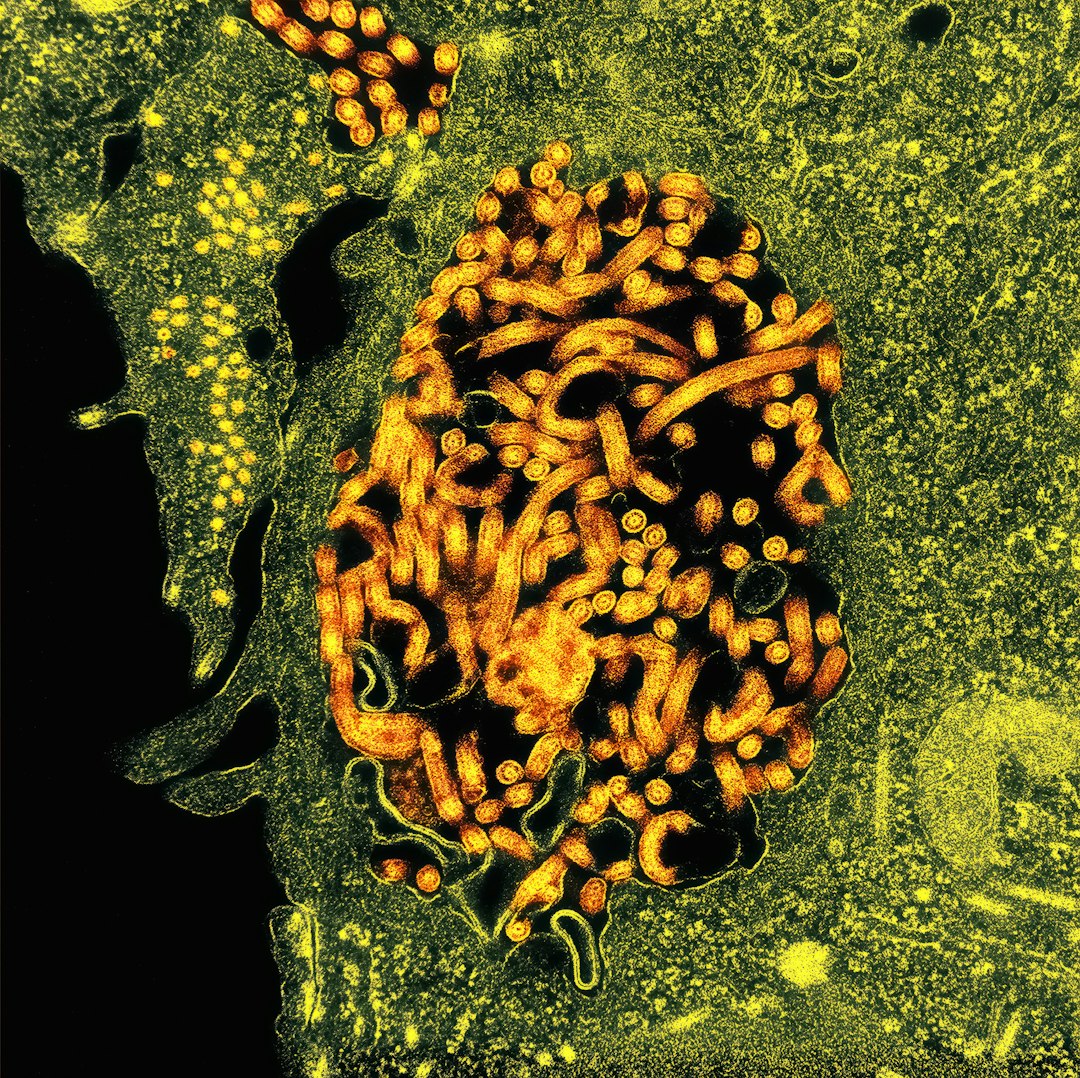
3 Deadly Mpox Cases Hit SoCal - Are You Safe?
Introduction: Understanding the Mpox Threat
Southern California faces a new health crisis. Health officials confirmed three Clade I mpox cases. This is serious news for travelers and residents. Mpox is a viral disease. It can cause painful symptoms. The Clade I strain is particularly dangerous. It has a higher death rate than other strains.
The cases appeared in Los Angeles County. All patients had traveled recently. They visited countries where mpox is common. Health departments are tracking contacts. They want to prevent more infections. This situation affects travel plans. It also impacts public health safety.
This article explains everything you need to know. We cover symptoms, prevention, and travel advice. You will learn how to protect yourself. We provide practical tips for safe travel. Our information comes from reliable health sources.
What is Mpox and Why Should You Care?
Understanding the Virus
Mpox is a viral disease. It comes from the same family as smallpox. The virus spreads between people and animals. Symptoms include fever, rash, and swollen glands. The illness usually lasts 2-4 weeks.
There are two main types of mpox. Clade I comes from Central Africa. Clade II comes from West Africa. Clade I is more severe. It causes more deaths. The current California cases involve Clade I.
How Mpox Spreads
Mpox spreads through close contact. This includes:
- Direct skin-to-skin contact with rashes
- Respiratory droplets during close talking
- Contaminated bedding or clothing
- Intimate physical contact
- Mother to baby during pregnancy
The virus can infect anyone. Some groups have higher risk. These include healthcare workers and household contacts. Travelers to affected areas also face risk.
The Southern California Outbreak: Key Facts
Case Details and Locations
Los Angeles County reported three cases. All patients are adults. They had recent travel history. They visited countries with mpox outbreaks. Health officials are investigating. They want to find how they got infected.
The patients developed symptoms after returning. They sought medical care quickly. Doctors recognized the symptoms. Testing confirmed mpox infection. All three have Clade I strain.
Public Health Response
Health departments took immediate action. They identified close contacts. These people received vaccines and monitoring. The goal is to stop further spread.
California has good healthcare systems. Hospitals are prepared for infectious diseases. They have isolation rooms and protective equipment. Health workers know how to handle such cases.
Mpox Symptoms: What to Watch For
Early Warning Signs
Mpox symptoms appear in stages. The first stage includes:
- Fever
- Headache
- Muscle aches
- Back pain
- Swollen lymph nodes
- Chills
- Exhaustion
These symptoms last 1-3 days. Then the rash appears. The rash often starts on the face. It spreads to other body parts. The rash changes over time.
Rash Development Stages
The mpox rash has distinct stages:
- Macules - flat discolored spots
- Papules - raised bumps
- Vesicles - fluid-filled blisters
- Pustules - pus-filled bumps
- Scabs - crusts that fall off
The illness lasts 2-4 weeks. All scabs must fall off before you are no longer contagious.
Protection and Prevention Strategies
Vaccination Options
Vaccines can prevent mpox infection. The JYNNEOS vaccine is approved in the US. It requires two doses. Protection begins about two weeks after the second dose.
Some people should get vaccinated. This includes:
- People exposed to mpox
- Laboratory workers handling the virus
- Healthcare workers treating patients
- Travelers to high-risk areas
Talk to your doctor about vaccination. They can assess your risk level.
Everyday Prevention Tips
You can reduce infection risk. Follow these simple steps:
- Wash hands frequently with soap
- Use alcohol-based hand sanitizer
- Avoid contact with sick people
- Don't touch wild animals
- Cook meat thoroughly
- Avoid sharing bedding or towels
These habits protect against many diseases. They are especially important during outbreaks.
Travel Safety During Mpox Outbreaks
Before You Travel
Planning is key for safe travel. Check travel advisories from the CDC. Research your destination's health situation. Pack a health kit with:
- Hand sanitizer
- Disinfectant wipes
- First aid supplies
- Face masks
- Your regular medications
Consider getting vaccinated before travel. Discuss this with your healthcare provider.
During Your Trip
Be careful during your travels. Avoid close contact with sick people. Don't touch animals, especially rodents. Practice good hygiene. Wash hands before eating.
Choose food carefully. Eat well-cooked foods. Drink bottled water. Avoid street food that might not be clean.
What to Do If You Get Sick
Immediate Steps
If you develop symptoms, act quickly. Isolate yourself immediately. Contact a healthcare provider. Tell them about your symptoms and travel history. Follow their instructions carefully.
Don't go to work or school. Avoid public transportation. Stay away from other people. This prevents spreading the virus.
Medical Care and Treatment
Most people recover without special treatment. Doctors focus on relieving symptoms. They might prescribe:
- Pain relievers for fever and discomfort
- Antihistamines for itching
- Antibiotics for bacterial infections
Severe cases might need antiviral drugs. Hospital care is sometimes necessary.
Practical Tips for Staying Safe
For Travelers
Travel increases infection risk. Follow these tips:
- Check travel warnings before booking trips
- Get travel health insurance
- Know where to find medical care at your destination
- Keep emergency contact numbers handy
- Pack extra medication
For Southern California Residents
Local residents should stay informed. Monitor local health department updates. Practice good hygiene in public places. Be aware of symptoms in yourself and others.
Support public health efforts. Cooperate with contact tracing. Get vaccinated if recommended.
Frequently Asked Questions
1. How deadly is Clade I mpox?
Clade I mpox has a higher death rate than Clade II. The World Health Organization estimates 1-10% mortality. This varies by healthcare access and patient health.
2. Can I travel to Southern California now?
Yes, travel is still safe. The risk to general public remains low. Follow basic hygiene practices. Monitor your health after travel.
3. What should I do if I was exposed?
Contact your healthcare provider immediately. They will advise about testing and vaccination. Monitor for symptoms for 21 days.
4. How effective is the mpox vaccine?
The JYNNEOS vaccine is very effective. Studies show strong protection after two doses. Protection begins about two weeks after vaccination.
5. Can pets get mpox?
Yes, some animals can get mpox. Rodents are especially susceptible. Keep pets away from infected people or animals.
6. How long does immunity last after infection?
Previous infection provides good immunity. However, duration is not fully known. Vaccination might still be recommended.
7. Where can I get tested for mpox?
Healthcare providers can order testing. Public health departments also offer testing. Contact your doctor first for guidance.
Real Examples and Statistics
Global Mpox Situation
The World Health Organization tracks mpox worldwide. In 2024, over 90 countries reported cases. The global outbreak began in 2022. Cases have decreased but still occur.
Central African countries see regular cases. These include Democratic Republic of Congo and Cameroon. Travel to these areas requires extra caution.
United States Data
The CDC reports US mpox cases. Since 2022, over 30,000 Americans got mpox. Most cases were Clade II. The recent California cases are unusual because they are Clade I.
California had about 5,500 total mpox cases. Most recovered completely. Few deaths occurred in the US.
Step-by-Step Protection Guide
Before Potential Exposure
- Assess your risk level with a doctor
- Consider vaccination if high risk
- Learn about symptoms and prevention
- Prepare a health emergency kit
- Save important contact numbers
After Possible Exposure
- Isolate yourself immediately
- Contact healthcare provider for advice
- Monitor for symptoms for 21 days
- Get tested if symptoms develop
- Follow medical instructions carefully
Conclusion: Staying Safe and Informed
The Southern California mpox cases are concerning. However, the risk to most people remains low. Public health systems are responding effectively. They are containing the situation.
Knowledge is your best protection. Understand how mpox spreads. Recognize the symptoms early. Practice good hygiene habits. Make smart travel decisions.
Stay updated with reliable health information. Trust sources like the CDC and WHO. Don't spread misinformation. Help others understand the facts.
Southern California remains a safe place to live and visit. Follow basic health precautions. Enjoy your activities while staying aware. Your health and safety come first.