
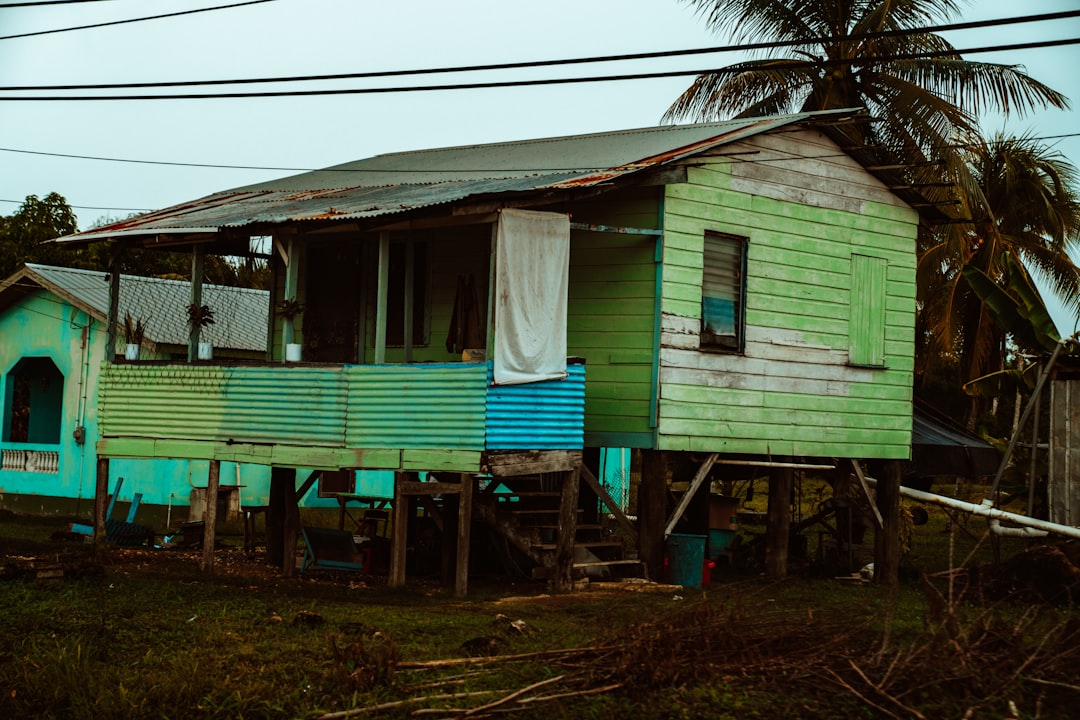
US Warns Travelers About This Tropical Paradise
Introduction: Paradise with Precautions
The United States government just updated its travel advisory for Jamaica. This beautiful Caribbean island is famous for its white sand beaches. It is known for its crystal clear waters. Many tourists visit Jamaica each year. They come for the relaxing vibes and friendly culture. But recent safety concerns have prompted official warnings. The US State Department reissued a Level 3 travel advisory. This means "Reconsider Travel" to Jamaica. The advisory highlights increased crime rates. It also mentions limited medical services. This doesn't mean you should cancel your trip completely. But you need to be extra careful. This comprehensive guide will explain everything. We cover the current situation. We provide safety tips. We help you make informed decisions about your Jamaican vacation. Jamaica remains a stunning destination. The people are warm and welcoming. The food is incredible. The natural beauty is breathtaking. However, safety must come first. Understanding the risks helps you prepare better. Knowledge is your best protection when traveling. Let's explore what this advisory really means for you.
Understanding the US Travel Advisory System
The US State Department uses a color-coded system. It helps Americans understand travel risks. There are four levels in this system.
Level 1: Exercise Normal Precautions
This is the safest level. Countries with Level 1 advisories are generally secure. Basic safety practices are sufficient. Most popular European destinations fall here. Canada and Australia are typically Level 1.
Level 2: Exercise Increased Caution
These destinations have some safety concerns. Travelers should be more alert. They should avoid certain areas. Mexico and the Dominican Republic often have Level 2 advisories.
Level 3: Reconsider Travel
This is Jamaica's current level. Serious risks exist in these countries. Crime, terrorism, or civil unrest may be present. The government suggests thinking twice before visiting. Other Level 3 countries include Colombia and Honduras.
Level 4: Do Not Travel
This is the highest warning level. Extreme dangers make travel too risky. War zones and failed states get this rating. Currently, Ukraine, Syria, and Afghanistan are Level 4.
According to the US State Department website, Jamaica's Level 3 status reflects serious crime. Violent crimes like home invasions and armed robberies occur. Sexual assaults happen frequently, even at all-inclusive resorts. Local police often lack resources to respond effectively. Hospitals may be unavailable in some areas. Ambulance services are unreliable.
What the Jamaica Advisory Specifically Says
The updated advisory contains important details. Every traveler should read it carefully. Here are the key points from the official warning.
Crime Statistics and Patterns
Jamaica has one of the highest homicide rates in the Western Hemisphere. Jamaican police statistics show over 1,300 murders in 2023. That's about 50 murders per 100,000 people. For comparison, the US rate is about 6 per 100,000. Most violent crimes involve gangs. But tourists can become unintended targets. Armed robberies, home invasions, and sexual assaults are common. These crimes occur in both poor and wealthy neighborhoods. They happen during daylight and nighttime.
Geographic Areas of Concern
Some parts of Jamaica are more dangerous than others. The US government warns about specific areas. These include parts of Kingston and Montego Bay. St. Ann's Parish, including Ocho Rios, has high crime rates. Spanish Town and certain parts of Westmoreland are also risky. Even popular tourist areas see criminal activity. The advisory mentions that crimes occur at all-inclusive resorts. Beaches and waterfalls aren't always safe either.
Medical Services Limitations
Jamaica's healthcare system faces challenges. Public hospitals suffer from limited resources. They may not have advanced medical equipment. Ambulance response times are often slow. Some rural areas lack proper medical facilities. Emergency services may not meet US standards. Serious injuries might require medical evacuation. This can cost over $50,000 according to CDC travel guidelines.
Real Traveler Experiences in Jamaica
Hearing from people who recently visited helps understand the situation. Their stories provide practical insights beyond official warnings.
Positive Experiences
Many tourists have wonderful Jamaican vacations. Sarah from Ohio visited Montego Bay last month. "We stayed at a resort with good security," she says. "The staff was amazing. The food was delicious. We never felt unsafe inside the resort." Mark from California enjoyed Dunn's River Falls. "Our tour guide was professional and knowledgeable. He kept our group together and aware of our surroundings." These positive experiences show that safe travel is possible with proper planning.
Challenging Situations
Other travelers faced difficulties. Jessica from New York shared her story. "Someone broke into our rental car in Ocho Rios. They stole our passports and money. The police were helpful but overwhelmed." Tom from Florida had a medical emergency. "My wife needed hospital care. We waited hours for an ambulance. The hospital was crowded but the doctors were competent." These stories highlight the importance of preparation and insurance.
Safety Tips for Jamaica Travel
You can reduce risks by following these practical safety guidelines. Implement them before and during your trip.
Before You Travel
- Register with the Smart Traveler Enrollment Program (STEP)
- Purchase comprehensive travel insurance with medical evacuation
- Make copies of your passport and important documents
- Research your accommodations and read recent reviews
- Share your itinerary with family or friends back home
- Learn basic local emergency numbers (119 for police, 110 for ambulance)
During Your Stay
- Avoid walking alone, especially at night
- Don't display expensive jewelry, cameras, or phones
- Use hotel safes for valuables and passports
- Be cautious when using ATMs - prefer those inside banks
- Only use licensed taxis with red license plates
- Stay in well-lit, populated areas
- Trust your instincts - if something feels wrong, leave immediately
Resort Safety Measures
- Choose resorts with 24-hour security and controlled access
- Use room safes for all valuables
- Keep your room locked at all times
- Don't open your door to strangers
- Use the resort's safety deposit boxes for important documents
- Follow all resort safety guidelines and curfews
Step-by-Step Guide to Safe Jamaica Travel
Follow this detailed plan for a safer Jamaican vacation. These steps will help you avoid common pitfalls.
Step 1: Research and Planning (2-3 months before travel)
Begin by researching current conditions. Check the State Department website weekly. Read recent traveler reviews on trusted sites. Choose accommodations in safer areas. All-inclusive resorts generally offer better security. Avoid renting private homes in isolated locations. Book through reputable tour operators. They often have established safety protocols.
Step 2: Preparation (1 month before travel)
Purchase travel insurance that covers medical evacuation. Ensure your health insurance works abroad. Make two copies of your passport. Leave one copy with someone at home. Pack a basic first aid kit. Include any prescription medications. Inform your bank about travel plans. This prevents card blocking. Download offline maps of Jamaica. Save emergency contacts in your phone.
Step 3: During Travel
Upon arrival, familiarize yourself with the property. Locate emergency exits and security offices. Keep your room key secure at all times. Don't share your room number publicly. Use the hotel safe immediately. Carry only necessary cash and one credit card when going out. Avoid isolated beaches and hiking trails. Stick to group activities with licensed guides.
Step 4: Daily Safety Routine
Each morning, check local news for any safety issues. Plan your day carefully. Avoid traveling after dark. Tell hotel staff your general plans. Carry a charged phone with local emergency numbers. Stay aware of your surroundings in crowded areas. Keep belongings secure and within sight. Return to your accommodation before evening.
Alternative Caribbean Destinations
If Jamaica's advisory concerns you, consider these safer options. They offer similar tropical experiences with lower risk levels.
Barbados (Level 1)
Barbados has beautiful beaches and friendly locals. The crime rate is much lower than Jamaica's. The island has excellent medical facilities. English is the primary language. The tourism infrastructure is well-developed. Barbados tourism authorities maintain high safety standards.
St. Lucia (Level 1)
This island features stunning volcanic landscapes. It has both beaches and rainforests. Crime against tourists is rare. Resorts maintain good security. The local government prioritizes tourist safety. Adventure activities are well-regulated.
Aruba (Level 1)
Aruba sits outside the hurricane belt. It has reliable weather year-round. The island has a low crime rate. Dutch influence brings European standards of safety. Police presence is strong in tourist areas. Medical facilities meet international standards.
The Bahamas (Level 2)
While not Level 1, the Bahamas generally has fewer safety concerns than Jamaica. Exercise increased caution, especially in Nassau. Stick to main tourist areas. Use common sense safety practices. Many islands in the Bahamas chain remain very safe.
Frequently Asked Questions
Is it safe to travel to Jamaica right now?
Jamaica can be safe with proper precautions. The Level 3 advisory means "Reconsider Travel," not "Do Not Travel." Many tourists visit without incident each year. Your safety depends on your choices and awareness. Staying at secure resorts and following safety guidelines significantly reduces risks.
What areas of Jamaica are safest for tourists?
Some areas are generally safer than others. Negril has fewer crime reports than Kingston or Montego Bay. All-inclusive resorts in Runaway Bay and Ocho Rios maintain good security. However, crime can occur anywhere. Always remain vigilant regardless of location.
Should I purchase travel insurance for Jamaica?
Yes, absolutely. Comprehensive travel insurance is essential. Ensure it covers medical evacuation. Jamaica's healthcare system may not meet US standards. Serious medical issues might require transfer to Miami or other US cities. This can cost tens of thousands of dollars without insurance.
Can I trust Jamaican police for help?
Jamaican police are generally professional but under-resourced. Response times may be slow, especially in rural areas. For emergencies, call 119. Always also contact your hotel security and your country's embassy if you're a victim of crime.
Are all-inclusive resorts in Jamaica safe?
All-inclusive resorts are generally safer than independent travel. They have controlled access and security personnel. However, crimes still occur within resorts. Maintain normal safety practices even at all-inclusive properties. Don't let your guard down completely.
What should I do if I'm a victim of crime in Jamaica?
First, get to a safe location. Contact local police at 119. Notify your hotel security immediately. Contact the US Embassy in Kingston at (876) 702-6000. Reach out to your travel insurance provider. They can assist with medical care and other support services.
Is public transportation safe in Jamaica?
Public buses and route taxis can be risky for tourists. They're often overcrowded and may travel through unsafe areas. Use licensed tourist taxis with red license plates instead. Your hotel can recommend reliable transportation services.
Conclusion: Making Your Decision
Jamaica remains a beautiful destination with incredible culture. The travel advisory doesn't mean you must cancel your trip. It means you should travel smarter and more carefully. Thousands of tourists visit Jamaica safely each year. They enjoy the stunning beaches and warm hospitality. Your safety depends largely on your choices. Proper planning reduces risks significantly. Research your accommodations thoroughly. Choose reputable tour operators. Purchase comprehensive insurance. Stay aware of your surroundings. Follow local advice and guidelines. If you decide Jamaica isn't right for you now, consider alternative Caribbean destinations. Barbados, St. Lucia, and Aruba offer similar tropical experiences with lower advisory levels. Whatever you decide, prioritize your safety. The goal is creating wonderful memories, not taking unnecessary risks. Stay informed, stay alert, and enjoy your Caribbean adventure responsibly. For ongoing updates, check the US State Department website regularly. Safe travels!