
US Warns Tourists: Reconsider Visiting This Wildlife Paradise
Introduction: A Tropical Paradise With Hidden Dangers
Imagine a place with beautiful beaches. Picture clear blue waters. Think of rare animals everywhere. This sounds like a perfect vacation spot. But the US government says to think twice before visiting. The US State Department issued a travel warning for Madagascar. This island nation is famous for its unique wildlife. Over 90% of its animals exist nowhere else on Earth. Yet safety concerns make officials worried. This warning affects thousands of travelers each year. Madagascar receives about 30,000 American visitors annually. The country depends heavily on tourism. Tourism makes up about 7% of Madagascar's economy. Many local people work in this industry. The travel warning could hurt their livelihoods. But visitor safety comes first. This article will explore the reasons behind the warning. We will also give practical advice for travelers. You will learn how to stay safe if you decide to visit. We will cover everything from health risks to political issues. Our goal is to help you make an informed decision. Travel should be both fun and safe.
Madagascar sits off Africa's southeast coast. It is the world's fourth largest island. The country has amazing natural beauty. You can see baobab trees that are 800 years old. There are lemurs that only live in Madagascar. The landscape includes rainforests and deserts. But behind this beauty lie real dangers. The US warning lists several specific concerns. These include crime, health risks, and poor infrastructure. We will examine each of these issues in detail. You will understand why the warning was issued. More importantly, you will learn how to protect yourself. Knowledge is your best defense when traveling. Let's begin our journey into this complicated destination.
Understanding the US Travel Warning System
What Do Travel Advisories Mean?
The US State Department uses a color-coded system. This helps travelers understand risks. There are four levels in this system.
- Level 1: Exercise Normal Precautions - This is the safest rating. Countries with this level have low crime rates. They also have stable governments.
- Level 2: Exercise Increased Caution - These places have some safety concerns. Travelers should be more careful here.
- Level 3: Reconsider Travel - This is Madagascar's current level. It means serious risks exist. The government suggests thinking carefully before visiting.
- Level 4: Do Not Travel - This is the most severe warning. It means extreme danger exists. The US may have limited ability to help citizens there.
Madagascar has been at Level 3 since 2022. The warning gets updated regularly. You can check current status on the State Department website. Other countries have similar systems. For example, the UK government also issues travel advice. It's smart to check multiple sources before traveling.
Why Madagascar Received Level 3 Status
Several factors led to this warning. Crime is a major concern. Armed groups operate in some areas. Kidnapping and robbery happen. Political tensions sometimes cause violence. Health care is limited outside cities. Road conditions can be dangerous. Police may not speak English. These issues combined created the Level 3 rating. The warning affects travel insurance too. Some companies may not cover Level 3 destinations. Always check your policy carefully.
Madagascar's Wildlife Wonders
Unique Animals Found Nowhere Else
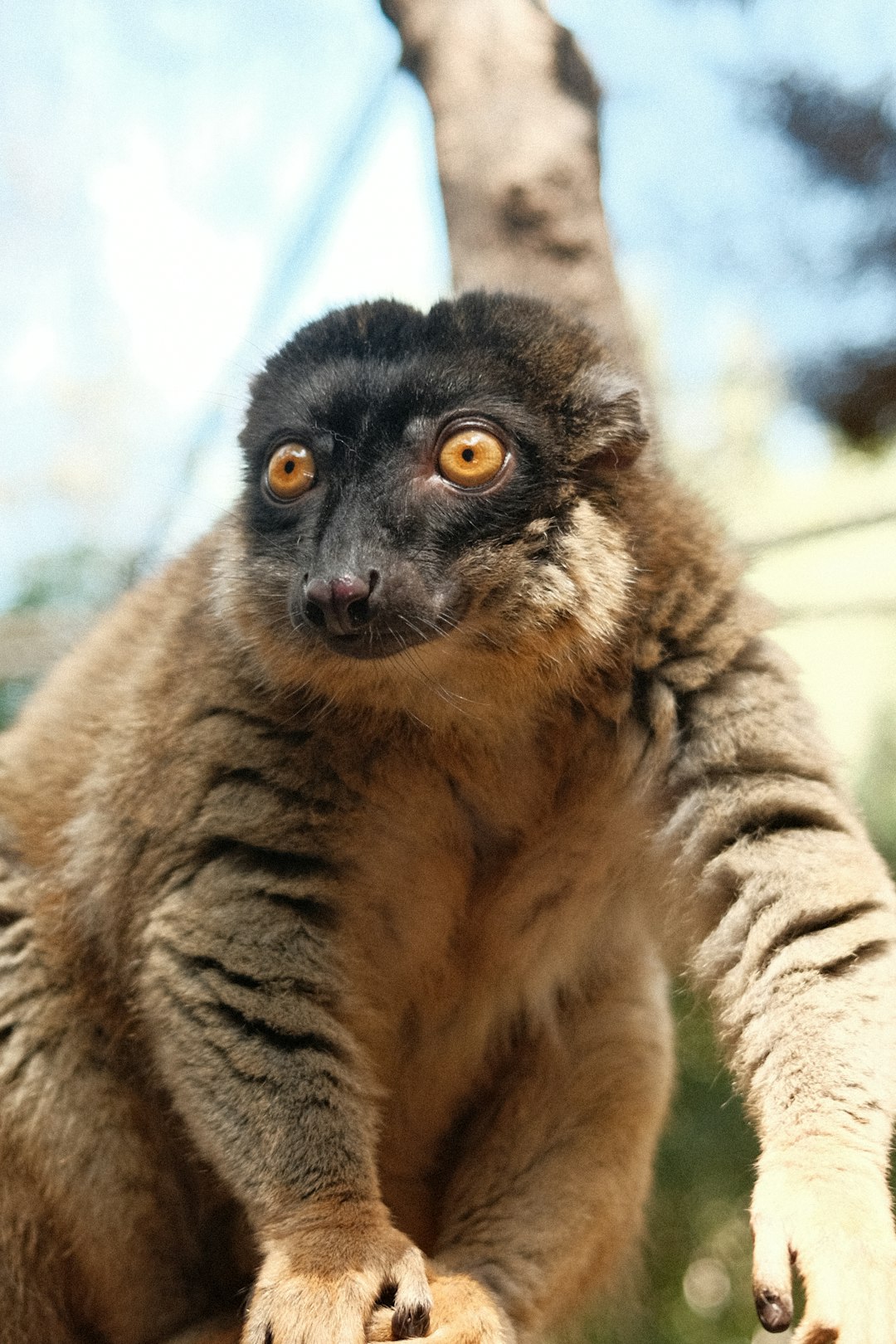
Madagascar broke from Africa 88 million years ago. This isolation created unique evolution. The island became a living laboratory. About 90% of its wildlife is endemic. This means they only live in Madagascar. The most famous residents are lemurs. These primates have large, expressive eyes. They communicate through sounds and scent marking. There are over 100 lemur species. Sadly, about 90% face extinction threats. Deforestation is the main problem. Other unique animals include the fossa. This predator looks like a small cougar. It is the largest carnivore on the island. Then there are chameleons. Madagascar has about half the world's chameleon species. The smallest chameleon fits on your fingertip. The leaf-tailed gecko blends perfectly with tree bark. You might not see it even when it's right in front of you.
Protected Areas and National Parks
Madagascar has many protected areas. These help conserve its unique wildlife. National parks require guides for visitors. This protects both tourists and animals. Some popular parks include:
- Andasibe-Mantadia National Park - Famous for its indri lemurs. Their loud calls echo through the forest.
- Isalo National Park - Known for dramatic canyons and natural swimming pools.
- Ranomafana National Park - Home to golden bamboo lemurs and hot springs.
- Ankarana Special Reserve - Features limestone tsingy formations and underground rivers.
The parks face challenges from illegal logging. Some protected areas have limited facilities. Always research before visiting. The Wild Madagascar organization provides current park information.
Safety Concerns for Travelers
Crime Risks in Urban and Rural Areas
Crime is the top concern in the travel warning. Violent crime happens in cities. Armed robberies occur in Antananarivo. This is the capital city. Thieves target foreigners in crowded areas. They might snatch phones or wallets. Carjackings happen on rural roads. Bandits sometimes stop vehicles. They demand money and valuables. Kidnapping for ransom occurs. Most victims are wealthy locals. But foreigners could be targets too. Here are some safety tips:
- Avoid walking alone at night
- Don't display expensive jewelry or cameras
- Keep car doors locked while driving
- Use registered taxis from reputable companies
- Stay in well-reviewed hotels with security
The OSAC crime safety report provides detailed advice. Always have emergency contacts saved. Share your itinerary with family back home.
Health and Medical Facilities
Medical care is limited in Madagascar. Hospitals in cities provide basic services. Rural areas may have no doctors. Malaria is common throughout the country. Dengue fever outbreaks occur. Other diseases include chikungunya and plague. Yes, plague still exists in Madagascar. The country has about 75% of the world's plague cases. But it is treatable with antibiotics. Travelers should take these health steps:
- Visit a travel clinic before your trip
- Get recommended vaccinations
- Take malaria prevention medication
- Use insect repellent with DEET
- Drink only bottled or boiled water
- Avoid raw fruits you can't peel
The CDC travel health page has current health advice. Consider buying evacuation insurance. This covers emergency flights to better hospitals.
Political Situation and Civil Unrest
Current Political Climate
Madagascar has experienced political instability. The country had a coup in 2009. This means the military took control. Elections since then have been mostly peaceful. But tensions sometimes flare. Protests can turn violent quickly. Police may use tear gas or force. Elections scheduled for 2023 could cause unrest. The US warning mentions this risk. Political demonstrations often happen in cities. They can block roads and disrupt travel. During these times, tourists should:
- Avoid large gatherings
- Monitor local news
- Follow instructions from authorities
- Have backup plans for transportation
The BBC Madagascar country profile provides political updates. Register with the US embassy if you travel there. They can send emergency alerts.
Regional Security Issues
Some areas have more risks than others. The south has cattle rustling problems. Thieves steal zebu cattle. This sometimes leads to violence. Bandits operate in isolated regions. Kidnapping occurs in these areas. The US government restricts employee travel to some regions. These include parts of Anosy and Atsimo-Andrefana. Always check current travel advisories. Conditions can change quickly. Some areas require special permits for visitors. Your tour operator should handle these details.
Practical Travel Tips for Madagascar
Choosing Safe Accommodation
Your hotel choice affects safety. Pick established hotels with good reviews. Look for these security features:
- 24-hour security guards
- Secure parking areas
- Room safes for valuables
- Good lighting around property
- Emergency generators
Many international chains operate in Antananarivo. These include Accor and Carlson Rezidor. They follow global safety standards. Rural lodges may have basic facilities. Check if they have medical evacuation plans. Always lock your room at night. Use the peephole before opening the door.
Transportation Safety
Road travel presents risks in Madagascar. Only 10% of roads are paved. Many are rough dirt tracks. Drivers often speed and overtake dangerously. Vehicle maintenance may be poor. Follow these transportation safety rules:
- Use reputable tour companies for long trips
- Avoid night driving whenever possible
- Check vehicle condition before long journeys
- Keep doors locked while moving
- Have emergency supplies in the vehicle
Domestic flights connect major cities. Air Madagascar is the main carrier. Their safety record has improved in recent years. Still, check current safety ratings before booking.
Money and Communication Tips
Madagascar uses the Malagasy ariary. Credit cards work in major hotels. But cash is needed elsewhere. Follow these money safety practices:
- Carry small amounts of cash
- Use hotel safes for extra money and passports
- Keep cash in different pockets
- Use ATMs inside banks during daylight
- Notify your bank about travel plans
Mobile network coverage is good in cities. But it may be limited in rural areas. Consider buying a local SIM card. This gives you cheaper local calls. Download offline maps before traveling. These work without internet connection.
Step-by-Step Guide to Safe Wildlife Viewing
Planning Your Wildlife Adventure
Seeing Madagascar's unique animals requires planning. Follow these steps for a safe experience:
- Research reputable tour operators - Choose companies with good safety records. Read recent reviews from other travelers.
- Get necessary permits - Many parks require entry permits. Your tour operator usually handles this.
- Pack appropriate gear - Bring sturdy shoes, rain gear, and insect repellent. Neutral-colored clothing works best for wildlife viewing.
- Learn basic local phrases - Knowing some Malagasy words helps. Locals appreciate the effort.
- Arrange reliable transportation - Use 4WD vehicles for rough roads. Ensure they have emergency equipment.
During Your Wildlife Excursions
Once in the parks, follow these guidelines:
- Always stay with your guide
- Keep safe distance from animals
- Don't feed any wildlife
- Follow park rules about trails
- Carry enough water and snacks
- Tell someone your expected return time
Guides know the animals' behavior. They can spot potential dangers. They also help you find the best viewing spots. Good guides enhance both safety and enjoyment.
Frequently Asked Questions
1. Is it safe to travel to Madagascar alone?
Solo travel in Madagascar requires extra caution. The US warning applies especially to solo travelers. Join group tours instead of traveling completely alone. This provides safety in numbers. Choose reputable tour companies. Share your itinerary with family. Check in regularly with someone back home.
2. What vaccinations do I need for Madagascar?
The CDC recommends several vaccinations. These include hepatitis A and B, typhoid, and rabies. Malaria prevention is essential. Yellow fever vaccination may be required if coming from affected countries. Visit a travel clinic 4-6 weeks before your trip. They will give you the most current advice.
3. Can I see lemurs without taking big risks?
Yes, you can see lemurs relatively safely. Visit well-established parks like Andasibe. These have good infrastructure and security. Go with registered guides. Avoid remote areas with security concerns. Many lemur species live near main tourist routes. You don't need to venture into dangerous regions.
4. What is the best time to visit Madagascar?
The dry season from April to October is best. Weather is pleasant during these months. Roads are more passable. Wildlife viewing is excellent. Avoid the cyclone season from January to March. Heavy rains can cause flooding and road closures.
5. How reliable is internet and phone service?
Major cities have good internet and phone service. Quality decreases in rural areas. Some remote parks have no coverage. Buy a local SIM card for better rates. Tell your family about possible communication gaps. Download important information before leaving cities.
6. What should I do in case of emergency?
For medical emergencies, go to the nearest hospital. Contact your travel insurance company immediately. For security issues, call local police at 117. Also contact your country's embassy. The US embassy in Antananarivo can assist citizens. Keep emergency numbers saved in your phone.
7. Are credit cards widely accepted?
Credit cards work in major hotels and restaurants. But cash is needed in most places. US dollars and euros can be exchanged easily. Carry small bills for daily expenses. Notify your bank about your travel plans to avoid blocked cards.
Real Traveler Experiences
Positive Stories from Recent Visitors
Many travelers have wonderful experiences in Madagascar. Sarah from California visited in 2022. She says: "The lemurs were amazing. We felt safe with our guide. The local people were very friendly. We took normal precautions. Everything went smoothly." Her group visited several national parks. They saw many lemur species. They also enjoyed the beautiful beaches.
Mark from England traveled with his family. He reports: "Our children loved seeing the chameleons. The guides were knowledgeable. We avoided areas with security warnings. Our trip was unforgettable." His family spent two weeks in Madagascar. They visited Ranomafana and Isalo national parks.
Challenges Faced by Some Tourists
Not all experiences are positive. Some travelers face difficulties. Anna from Germany had her bag stolen. It happened in a market in Antananarivo. She says: "I was careless for a moment. Someone took my bag from my chair. Now I am more careful with my belongings." She still enjoyed her trip overall.
Another traveler got sick from food. He didn't follow food safety rules. He ate raw vegetables from a street vendor. This caused stomach problems for several days. He learned to stick to bottled water and cooked foods.
Conclusion: Making Your Decision
Madagascar offers incredible wildlife experiences. The unique animals are worth seeing. But safety concerns are real. The US travel warning exists for good reasons. Crime, health risks, and political issues all contribute. However, many travelers visit without problems. They take proper precautions. They use reputable tour companies. They avoid high-risk areas and situations.
Your decision depends on your comfort level. If you choose to visit, plan carefully. Research your tour operator thoroughly. Get comprehensive travel insurance. Follow all safety advice. Stay aware of your surroundings. Register with your embassy. These steps reduce risks significantly.
Madagascar needs responsible tourism. Visitor dollars help protect its unique wildlife. They support local communities. But safety must come first. We hope this information helps you decide. Whether you visit Madagascar or choose another destination, travel smart. The world is full of amazing places to explore safely.
Check current travel advisories before booking any trip. Conditions can change. The US State Department Madagascar page has the latest updates. Safe travels wherever you choose to go!