
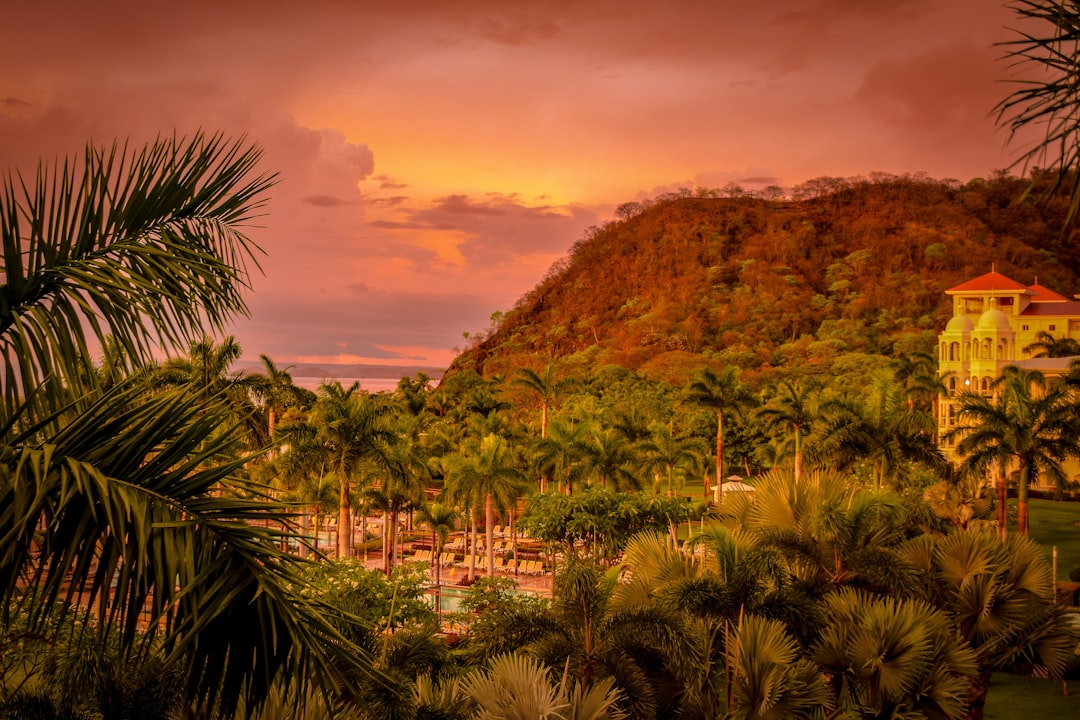
US Warns Tourists: Reconsider Travel to This Island Paradise
Introduction: Paradise Lost or Temporary Warning?
The United States government recently issued a travel advisory. This warning affects a popular Caribbean destination. Millions of Americans visit this island each year. Now they are being told to reconsider their plans. The US State Department raised the travel alert to Level 3. This means "reconsider travel." Only Level 4 is more serious. Level 4 means "do not travel."
This beautiful island is known for its stunning beaches. It has crystal clear waters and luxury resorts. But beneath the surface, safety concerns are growing. Crime rates have increased significantly. Violent incidents are affecting tourists. The local government is struggling to maintain order. This situation creates a difficult choice for travelers.
This comprehensive guide will explore the current situation. We will examine the reasons behind the warning. You will learn about the specific risks involved. We provide practical safety tips for those who still choose to visit. Understanding these warnings can save your vacation. It might even save your life.
Travel advisories exist to protect citizens. They are based on careful analysis of current conditions. The US government monitors situations around the world. When risks increase, they issue warnings. These warnings help travelers make informed decisions. Ignoring them can have serious consequences.
Understanding the Travel Advisory System
What Do the Levels Mean?
The US State Department uses a four-level system. Each level has specific recommendations. Level 1 means exercise normal precautions. Level 2 means exercise increased caution. Level 3 means reconsider travel. Level 4 means do not travel.
The current advisory for this island is Level 3. This is serious. It indicates significant risks to safety and security. The government doesn't issue these warnings lightly. They base them on reliable intelligence and data.
Why This Island Received Level 3 Status
Several factors contributed to the elevated warning. Crime has increased dramatically. Violent crimes are becoming more common. These include armed robbery and sexual assault. Gang activity has also grown. Political instability is another concern. The local police are overwhelmed. They cannot always protect tourists effectively.
The US government tracks incidents involving Americans. When these incidents increase, warnings follow. Recent months have seen multiple attacks on tourists. Some resulted in serious injuries. Others involved significant financial losses.
The Current Safety Situation
Crime Statistics and Trends
Official statistics paint a concerning picture. Violent crime has increased by 40% in the past year. Robberies targeting tourists are up by 60%. Sexual assaults have risen by 25%. These numbers come from local police reports. They are verified by US officials.
The most dangerous areas include popular tourist zones. Beaches and resort areas are affected. Even all-inclusive resorts are not completely safe. Criminals are targeting these locations specifically. They know tourists carry cash and valuables.
Specific Risks for Travelers
Tourists face several specific dangers. These include:
- Armed robbery on beaches and streets
- Sexual assault, especially at night
- Scams and fraudulent activities
- Carjackings and vehicle theft
- Express kidnappings for quick cash
Many incidents occur after dark. But daytime crimes are also increasing. Tourists are seen as easy targets. They often carry large amounts of cash. They may not speak the local language. They are unfamiliar with the area.
Popular Tourist Areas Affected
Beaches and Coastal Resorts
The famous beaches remain beautiful. But safety concerns are real. Several incidents have occurred on popular beaches. These include armed robberies in broad daylight. Even resort security cannot prevent all crimes.
Some resorts have improved their security measures. They have added more guards. They have installed better lighting. But determined criminals still find ways to operate.
Urban Centers and Nightlife Districts
The capital city has become particularly dangerous. Nightlife areas see frequent incidents. Bars and clubs are targeted by criminals. Tourists leaving these venues are vulnerable. Many attacks happen when people are returning to their hotels.
Local police have increased patrols in some areas. But resources are limited. They cannot be everywhere at once.
Government Response and Local Perspective
Local Government Actions
The island's government acknowledges the problems. They have launched new security initiatives. These include increased police presence in tourist areas. Special tourist police units have been created. But progress has been slow.
Some officials argue the warning is too severe. They point to improvements in security. They highlight successful arrests of criminal groups. But the US government maintains its position. They want to see sustained improvement.
Tourism Industry Impact
The travel warning has hurt local businesses. Hotel bookings have declined significantly. Tour operators are seeing cancellations. Restaurant owners report fewer customers. Many workers depend on tourism for their livelihoods.
Some businesses are offering special deals. They hope to attract brave travelers. But the overall impact remains negative. The situation highlights the importance of safety for tourism.
Practical Safety Tips for Travelers
Before You Go
Research is essential. Check the latest travel advisories. Register with the Smart Traveler Enrollment Program (STEP). This helps the US embassy contact you in emergencies. Share your itinerary with family members. Purchase comprehensive travel insurance. Make sure it covers medical evacuation.
Learn basic phrases in the local language. Understand local customs and laws. Make copies of important documents. Leave valuable jewelry at home. Plan your transportation in advance.
During Your Stay
Always remain aware of your surroundings. Avoid displaying wealth or expensive items. Use hotel safes for passports and extra cash. Stick to well-lit, populated areas. Avoid traveling alone, especially at night.
Use official taxis or trusted transportation services. Be cautious about sharing travel plans with strangers. Keep emergency numbers handy. Trust your instincts - if something feels wrong, leave immediately.
Emergency Preparedness
Know how to contact local emergency services. Save the US embassy contact information. Have a plan for medical emergencies. Keep some local currency for emergencies. Know the location of the nearest hospital.
Alternative Destination Options
Safer Caribbean Alternatives
Several Caribbean islands maintain Level 1 or 2 advisories. These include:
- Barbados - Known for its safety and beautiful beaches
- St. Lucia - Offers similar tropical beauty with lower risk
- Aruba - Consistently ranks as one of the safest islands
- Cayman Islands - Excellent security and infrastructure
These destinations offer comparable experiences. They have strong security measures in place. Tourist police are well-trained and visible.
Beyond the Caribbean
Consider other tropical destinations with better safety records. Hawaii remains a popular choice for Americans. The US Virgin Islands offer Caribbean beauty with US protection. Costa Rica provides excellent eco-tourism opportunities.
Real Traveler Experiences
Positive Stories
Some travelers report wonderful experiences. They visited recently and had no problems. They followed safety precautions carefully. They stayed within resort boundaries. They used trusted tour operators. These travelers enjoyed beautiful beaches and friendly service.
Cautionary Tales
Other stories are more concerning. Several tourists have shared their experiences online. One family was robbed at gunpoint on a popular beach. A couple was scammed by fake tour guides. A solo traveler was followed repeatedly. These incidents highlight the real risks.
Frequently Asked Questions
1. Is it completely unsafe to visit this island?
No destination is completely unsafe. But risks are significantly elevated. The US government recommends reconsidering travel. This means you should think carefully before going. If you do visit, take extra precautions.
2. Are all-inclusive resorts safe?
Resorts are generally safer than public areas. But incidents can still occur. Criminals sometimes target resort guests. They may approach them outside resort boundaries. Always remain cautious, even at resorts.
3. What should I do if I'm a victim of crime?
Contact local police immediately. Then call the US embassy. Seek medical attention if injured. Contact your travel insurance company. Report the incident to your hotel management. Document everything for insurance claims.
4. Will travel insurance cover me if I cancel?
It depends on your policy. Many policies don't cover travel advisory changes. Check your policy details carefully. Some premium policies offer "cancel for any reason" coverage. Contact your insurance provider for specific information.
5. How long will this advisory last?
There's no definite timeline. Advisories remain until conditions improve significantly. This requires sustained reduction in crime rates. Improved security measures must be implemented. The local government must demonstrate effective control.
6. Are some areas safer than others?
Yes, safety varies by location. Resort areas tend to be more secure. Remote areas and urban centers see more crime. But no area is completely risk-free. Always research specific locations before visiting.
7. Should I travel with children to this destination?
The US government advises against it. Children require extra protection. The current environment poses additional risks. Consider alternative family-friendly destinations. Many Caribbean islands offer better safety for families.
Making Your Decision
Factors to Consider
Several factors should influence your decision. Consider your risk tolerance. Think about your travel experience. Evaluate your planned activities. Assess your ability to follow safety protocols. Consider alternative destinations.
Also think about financial implications. Travel insurance may be more expensive. Cancellation fees might apply. Safety measures could add to your costs.
Step-by-Step Decision Guide
- Check the latest travel advisory updates
- Research recent incidents and local news
- Contact your travel insurance provider
- Consult with your travel companions
- Review cancellation policies
- Research alternative destinations
- Make your final decision based on complete information
Conclusion: Safety First in Paradise
The travel advisory for this beautiful island is serious. It reflects genuine safety concerns that affect tourists. While the island offers incredible natural beauty, risks cannot be ignored. The US government doesn't issue these warnings without cause.
Your safety should always come first. No vacation is worth risking your wellbeing. Many alternative destinations offer similar experiences with better security. If you do choose to visit, take every precaution seriously.
Stay informed about current conditions. Follow official guidance from reliable sources. Prepare thoroughly before traveling. Remain vigilant during your stay. Have emergency plans in place.
Travel should be enjoyable and memorable for the right reasons. By making informed decisions, you can ensure your vacations remain positive experiences. Whether you choose to visit this island or select an alternative, prioritize your safety above all else.
The situation may improve in the future. Continue monitoring official updates. For now, careful consideration and caution are essential. Your dream vacation should not become a nightmare.