
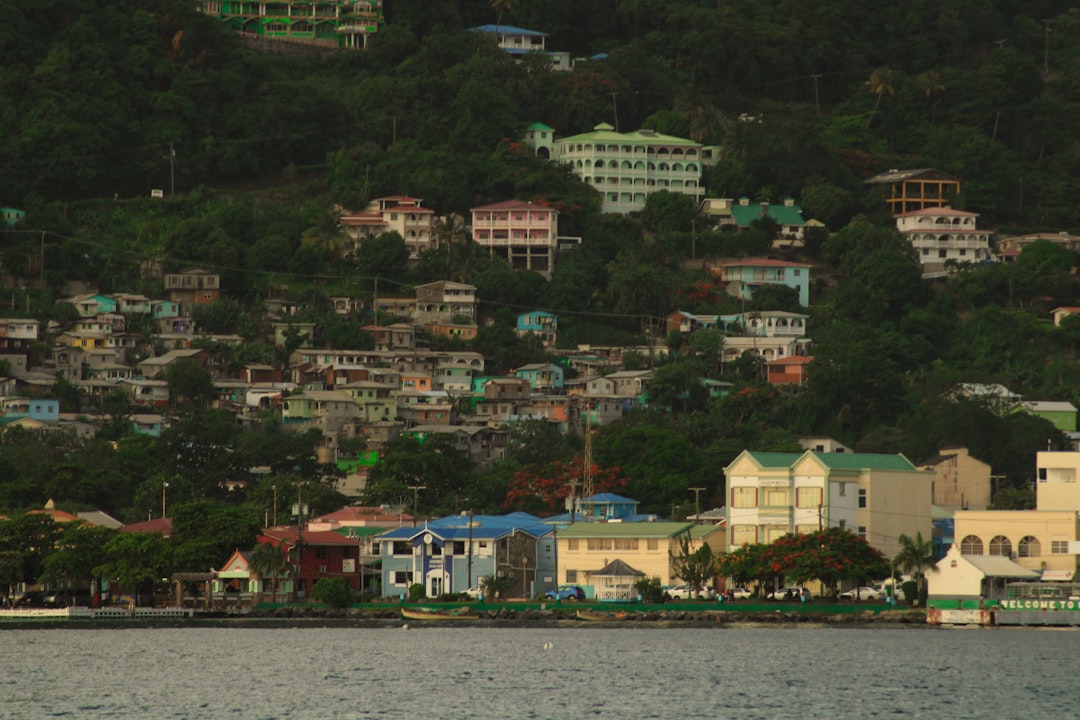
US Warns: Reconsider Travel to This Paradise Island
Introduction: Paradise with Problems
Imagine white sandy beaches. Picture crystal clear waters. Think of palm trees swaying in warm breezes. This describes Jamaica, a popular Caribbean destination. But recently, something changed. The US government issued a travel warning. They advise Americans to "reconsider travel" to Jamaica. This is serious advice. It means think twice before visiting. Many tourists are surprised. They know Jamaica as a beautiful vacation spot. So what happened? Why the warning? This article explains everything. We will cover the safety concerns. We will discuss the real risks. We will provide practical advice. Our goal is simple. We want you to make informed decisions. Your safety matters most. Let's explore the situation together.
Jamaica attracts over 4 million visitors annually. Tourism is vital to their economy. The island offers amazing experiences. You can climb waterfalls. You can enjoy reggae music. You can taste jerk chicken. But behind the beauty, problems exist. Crime rates are high in some areas. The US State Department points to specific dangers. They mention violent crimes. They talk about home invasions. They warn about armed robberies. Sexual assaults also occur. These crimes can affect tourists. The warning aims to protect travelers. It does not mean you cannot visit. It means you should be careful. You need to understand the risks. Then you can plan accordingly.
Understanding the Travel Advisory System
The US State Department uses a color-coded system. It helps travelers understand risks. There are four levels. Level 1 is blue - Exercise Normal Precautions. Level 2 is yellow - Exercise Increased Caution. Level 3 is orange - Reconsider Travel. Level 4 is red - Do Not Travel. Jamaica currently sits at Level 3. This means "reconsider travel." It is one step below the most severe warning. The system considers many factors. Crime rates matter. Healthcare quality counts. Political stability is important. Natural disasters play a role. For Jamaica, crime is the main concern. Other Caribbean islands have similar warnings. But Jamaica's situation is particularly serious. The advisory gets updated regularly. Travelers should check before booking trips.
What Level 3 Really Means
Level 3 does not mean "don't go." It means think carefully. Consider your personal situation. Are you traveling alone? Do you have health issues? Are you familiar with the area? These questions matter. The warning highlights specific dangers. In Jamaica, violent crimes are common. Gang violence occurs. Police resources are limited. Some areas are more dangerous than others. Tourists might become targets. Thieves look for easy opportunities. Understanding these risks helps you prepare. You can choose safer locations. You can avoid risky behaviors. You can protect your belongings. Knowledge is your best defense.
Safety Concerns in Jamaica
Jamaica faces several security challenges. Crime is the biggest issue. Let's examine the specific problems.
Violent Crime Statistics
Jamaica has one of the highest murder rates in the world. The United Nations Office on Drugs and Crime reports troubling numbers. In 2022, Jamaica had 1,498 murders. This equals about 52 per 100,000 people. Compare this to the United States. The US rate is about 6 per 100,000. That makes Jamaica nearly nine times more dangerous. Most murders involve locals. But tourists can get caught in crossfire. Armed robberies are also common. Thieves often carry guns. They target cash and valuables. Sexual assaults happen too. Women traveling alone face higher risks. These statistics are frightening. But context matters. Most tourist areas have better security. Resorts employ guards. Police patrol popular spots. Still, danger exists.
Common Tourist Scams
Tourists should watch for scams. Some common ones include:
- Fake tour guides: People offer cheap tours. They take your money. Then they disappear.
- Overcharging taxis: Drivers charge much more than normal rates.
- Drug setups: Someone sells you drugs. Then police arrest you. They demand bribes.
- Friendly strangers: People befriend you. Then they rob you.
- Credit card skimming: Workers copy your card information.
These scams can ruin your vacation. Being aware helps you avoid them.
Areas to Avoid
Some parts of Jamaica are more dangerous. The US State Department identifies specific locations. They advise against travel to these areas:
- Parts of Kingston: August Town, Mountain View Areas
- Parts of Montego Bay: Canterbury, Flankers, Norwood
- St. Ann's Parish: parts of Ocho Rios
- St. Catherine's Parish: Spanish Town, Central Village
These areas have high crime rates. Gang activity is common. Police presence is limited. Tourists should avoid these locations completely. Even driving through can be risky.
Healthcare and Emergency Services
Medical care in Jamaica varies greatly. Major cities have good hospitals. Rural areas lack facilities. The World Health Organization rates Jamaica's healthcare as developing. There are several concerns for travelers.
Hospital Quality
Private hospitals in tourist areas are decent. They can handle common emergencies. But serious conditions may require evacuation. Medical evacuation costs thousands of dollars. Many travelers don't have insurance. This creates financial nightmares. Public hospitals face shortages. They lack equipment and medicines. Wait times can be long. Language barriers might exist. Though English is official, local dialects differ. Communication problems can delay treatment.
COVID-19 and Other Health Risks
The pandemic affected Jamaica heavily. Healthcare systems struggled. CDC warns about other health issues too. Dengue fever occurs. Zika virus exists in some areas. Travelers should take precautions. Use mosquito repellent. Drink bottled water. Avoid raw foods. Basic hygiene prevents many illnesses.
Practical Safety Tips for Travelers
If you decide to visit Jamaica, be smart. Follow these safety guidelines.
Before You Go
Preparation is key. Do these things before traveling:
- Register with the Smart Traveler Enrollment Program
- Buy comprehensive travel insurance
- Learn about local customs and laws
- Make copies of important documents
- Share your itinerary with family
- Research your accommodation's security
During Your Stay
Once in Jamaica, follow these rules:
- Stay in well-secured resorts
- Use hotel safes for valuables
- Avoid walking alone at night
- Don't display expensive jewelry
- Use official taxis only
- Keep doors locked at all times
- Avoid political demonstrations
- Don't resist if robbed
Emergency Contacts
Save these numbers in your phone:
- Police: 119
- Ambulance: 110
- US Embassy: (876) 702-6000
- Tourist Police: (876) 929-8434
Alternative Caribbean Destinations
If Jamaica seems too risky, consider other islands. The Caribbean has many safe options.
Barbados
Barbados has Level 1 travel advisory. Crime rates are much lower. The island is beautiful. Beaches are stunning. Culture is rich. It's generally safe for tourists. Police are professional and helpful.
St. Lucia
St. Lucia has Level 1 advisory. Violent crime is rare. The island features lush rainforests. The Pitons are famous landmarks. Tourism is well-developed. Safety standards are high.
Aruba
Aruba is very safe. It has Level 1 advisory. Crime against tourists is uncommon. Beaches are pristine. Weather is perfect year-round. Infrastructure is modern and reliable.
Comparison Table
Here's how these destinations compare:
- Jamaica: Level 3 advisory, high crime, beautiful nature, rich culture
- Barbados: Level 1 advisory, low crime, great beaches, friendly people
- St. Lucia: Level 1 advisory, very safe, stunning scenery, good infrastructure
- Aruba: Level 1 advisory, extremely safe, modern facilities, perfect beaches
Real Traveler Experiences
Hearing from other tourists helps. Here are some real stories.
Positive Experiences
Many visitors love Jamaica. Sarah from Ohio shared her story. "We stayed at a resort in Negril. Security was excellent. We felt safe the whole time. The staff were wonderful. We never left the resort though." This is common. Resort areas are generally secure. Controlled environments minimize risks.
Negative Experiences
Some travelers faced problems. Mark from Florida told us: "We rented a car. We got lost in Kingston. Someone broke our window. They stole our bags. Police were not helpful." This shows why planning matters. Venturing into unknown areas can be dangerous.
Frequently Asked Questions
Is any part of Jamaica safe?
Yes, many areas are relatively safe. Popular tourist zones have good security. Resorts in Montego Bay, Ocho Rios, and Negril are generally secure. These areas have tourist police. Hotels employ security guards. Still, you should remain cautious.
Can I travel alone to Jamaica?
Solo travel is possible but risky. Women especially should be careful. Always stay in well-known areas. Avoid going out alone at night. Join group tours when possible. Tell someone your plans each day.
What should I do if I'm robbed?
Do not resist. Your safety comes first. Give them what they want. Then contact police immediately. Call your embassy. Inform your hotel. Cancel credit cards right away.
Are all-inclusive resorts safe?
Generally yes. Resorts have good security. They control who enters. Staff are trained for safety. But crimes can still occur. Don't let your guard down completely. Use common sense at all times.
Should I buy special insurance?
Yes, absolutely. Get comprehensive travel insurance. Make sure it covers medical evacuation. Check if it includes theft protection. Read the policy carefully. Understand what is covered.
How reliable are local police?
Police try their best. But resources are limited. Response times can be slow. Tourist police are more helpful. They specialize in assisting visitors. Contact them for minor issues.
Can I trust tour operators?
Use licensed operators only. Check reviews online. Ask your hotel for recommendations. Avoid street vendors offering tours. Stick with established companies. Don't pay large sums upfront.
Step-by-Step Safety Planning Guide
Follow these steps for a safer trip:
- Research: Learn about your destination. Read recent travel advisories.
- Choose accommodation: Pick well-secured hotels. Read safety reviews.
- Plan activities: Book tours with reputable companies. Avoid risky adventures.
- Prepare documents: Make copies of passports. Save emergency numbers.
- Pack wisely: Leave expensive items at home. Bring basic medical supplies.
- Stay connected: Buy a local SIM card. Share your location with family.
- Be alert: Pay attention to your surroundings. Trust your instincts.
Economic Impact on Jamaica
Travel warnings hurt Jamaica's economy. Tourism provides many jobs. When visitors stay away, people suffer. The government works to improve safety. They increased police presence in tourist areas. They created special tourist police units. But challenges remain. Poverty contributes to crime. Unemployment is high. These issues take time to solve. Responsible tourism can help. Visiting safe areas supports local businesses. Following rules shows respect. Your tourism dollars make a difference.
Conclusion: Making Your Decision
Jamaica is a beautiful country. It has amazing culture and nature. But safety concerns are real. The US travel warning exists for good reasons. Crime rates are high. Healthcare has limitations. Some areas are dangerous. However, many tourists visit without problems. They enjoy wonderful vacations. The key is careful planning. Choose your location wisely. Stay in secure accommodations. Follow safety guidelines. Be aware of your surroundings. Consider travel insurance. If you take precautions, risks decrease. Ultimately, the decision is personal. Weigh the pros and cons. Consider alternative destinations. Your safety should come first. Whatever you decide, be informed. Knowledge protects you. Safe travels!
Remember that situations change. Check for updates before traveling. The State Department website has current information. Talk to your travel agent. Read recent traveler reviews. Conditions might improve over time. For now, caution is wise. Jamaica will always be there. Your safety cannot be replaced. Make smart choices. Enjoy your vacation wherever you go.