
Southwest Vacations: Desert Adventures & National Parks
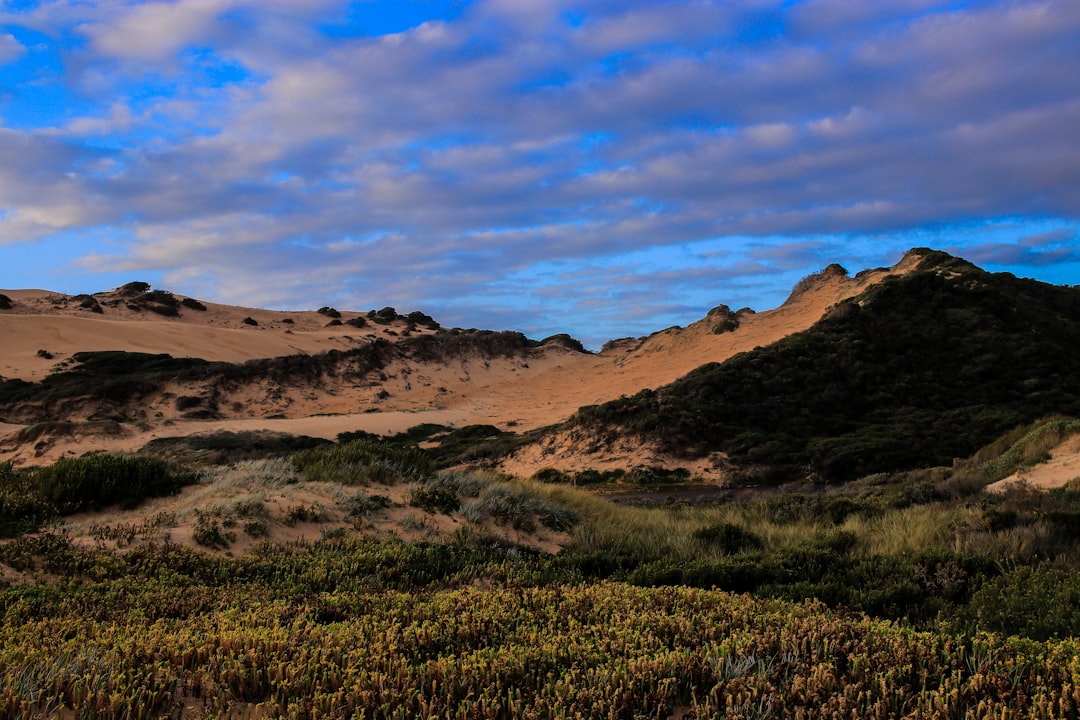
Are you planning a trip to the American Southwest? This region offers amazing landscapes. You will see red rocks, deep canyons, and vast deserts. The Southwest includes Arizona, New Mexico, Utah, Nevada, and parts of California and Texas. Each state has unique attractions. You can visit ancient ruins, hike beautiful trails, and enjoy local culture. This guide will help you plan the perfect Southwest vacation. We cover everything from must-see spots to practical tips. Get ready for an unforgettable adventure!
The Southwest has a rich history. Native American tribes have lived here for thousands of years. You can learn about their culture at museums and heritage sites. The region also has Spanish colonial influences. This mix creates a unique cultural experience. The weather varies by season and location. Summers can be very hot in the desert. Winters are mild in lower areas but snowy in mountains. Spring and fall are the best times to visit. The crowds are smaller and temperatures are pleasant.
This comprehensive guide covers all aspects of Southwest travel. We include detailed information on top destinations. You will find practical advice on transportation and accommodation. We also share money-saving tips and safety recommendations. Whether you are a first-time visitor or a returning traveler, this guide has something for you. Let's explore the wonders of the Southwest together!
Why Choose Southwest Vacations?
The American Southwest offers unique experiences you cannot find elsewhere. The landscape is dramatic and beautiful. You will see natural wonders that took millions of years to form. The region has the highest concentration of national parks in the United States. According to the National Park Service, over 50 million people visit Southwest parks annually. These parks protect incredible natural features. They also provide opportunities for recreation and education.
The cultural diversity is another major draw. Native American communities maintain their traditions. You can visit pueblos and reservations with permission. Many offer guided tours and cultural demonstrations. The Spanish influence is evident in the architecture and food. New Mexican cuisine is particularly famous. It features unique flavors like blue corn and Hatch chiles. The blend of cultures creates a rich tapestry of art, music, and traditions.
Natural Wonders
The Southwest's geology is spectacular. The Grand Canyon is the most famous example. It reveals two billion years of Earth's history. Other remarkable formations include:
- Bryce Canyon's hoodoos (tall thin rock spires)
- Arches National Park's natural stone arches
- Monument Valley's iconic sandstone buttes
- Carlsbad Caverns' extensive cave systems
- White Sands' gypsum dune fields
These landscapes offer endless photography opportunities. They also provide habitats for unique plants and animals. You might see desert bighorn sheep, roadrunners, or saguaro cacti. The region's biodiversity is surprising. Desert ecosystems are fragile but full of life.
Cultural Richness
Human history in the Southwest dates back over 10,000 years. Ancient civilizations like the Ancestral Puebloans left impressive ruins. You can visit sites like Mesa Verde and Chaco Canyon. These places show sophisticated architecture and community planning. Modern Native American tribes continue their heritage. Many welcome visitors to experience their culture respectfully.
The Spanish arrived in the 16th century. They established missions and settlements. Their influence remains in place names, architecture, and traditions. The Mexican period also left its mark. Later, American expansion brought new cultures. This layered history creates a fascinating cultural landscape.
Top Southwest Destinations
The Southwest has countless amazing places to visit. We highlight the most popular and unique destinations. Each offers different experiences and attractions. Consider your interests when planning your itinerary. Outdoor enthusiasts will love the national parks. Culture seekers will enjoy historical sites and cities. Food lovers will appreciate the regional cuisine.
Grand Canyon National Park
The Grand Canyon is Arizona's most famous landmark. It is one of the Seven Natural Wonders of the World. The canyon is 277 miles long and up to 18 miles wide. The Colorado River carved it over millions of years. You can visit the South Rim or North Rim. The South Rim is more accessible and open year-round. The North Rim is higher and receives more snow. It closes in winter.
Popular activities include hiking, mule rides, and rafting. The Bright Angel Trail is a famous hiking route. It descends into the canyon. Remember that hiking down is easier than hiking up. Always carry water and wear proper footwear. The National Park Service provides safety information. Over 6 million people visit the Grand Canyon annually. Consider visiting during shoulder seasons to avoid crowds.
Sedona, Arizona
Sedona is known for its stunning red rock formations. The town is surrounded by beautiful scenery. Many people believe Sedona has spiritual energy. They visit vortex sites for meditation and healing. Outdoor activities are popular here. You can hike, bike, or take jeep tours. The Cathedral Rock Trail offers amazing views. It is moderately difficult but worth the effort.
Sedona also has a vibrant arts scene. You will find many galleries and shops. The town hosts festivals throughout the year. Accommodation ranges from luxury resorts to cozy cabins. Dining options include Southwestern cuisine and international fare. Sedona is about two hours from Phoenix. It makes a great base for exploring northern Arizona.
Santa Fe, New Mexico
Santa Fe is America's oldest state capital. It was founded in 1610. The city has a distinct architectural style. Buildings feature adobe construction and flat roofs. The historic plaza is the heart of Santa Fe. You will find museums, shops, and restaurants nearby. The Santa Fe Tourism Office provides excellent visitor information.
Cultural attractions include the Georgia O'Keeffe Museum. It showcases the artist's Southwestern works. The Palace of the Governors displays regional history. Native American vendors sell crafts under its portal. Santa Fe's food scene is exceptional. Try local specialties like green chile stew and sopapillas. The city sits at 7,000 feet elevation. Drink plenty of water to avoid altitude sickness.
Moab, Utah
Moab is an adventure lover's paradise. It is close to Arches and Canyonlands National Parks. These parks feature incredible rock formations. Arches has over 2,000 natural stone arches. Canyonlands offers dramatic canyon views. Both parks have hiking trails for all skill levels. The Moab Information Center can help plan your visit.
Moab is famous for mountain biking. The Slickrock Bike Trail is world-renowned. It challenges even experienced riders. River rafting on the Colorado River is another popular activity. You can choose from calm floats to whitewater adventures. The town has various accommodation options. Camping is available in nearby public lands. Remember that summer temperatures can exceed 100°F. Plan activities for early morning or evening.
Las Vegas, Nevada
Las Vegas is known for its casinos and entertainment. But it also serves as a gateway to Southwest attractions. The city offers luxury hotels, world-class dining, and spectacular shows. You can see famous landmarks like the Bellagio fountains. The Strip is the main tourist area. It features themed resorts and endless entertainment options.
Beyond the casinos, Las Vegas has natural attractions nearby. Red Rock Canyon is just 30 minutes west. It offers hiking and rock climbing opportunities. Valley of Fire State Park is about an hour away. It features ancient petroglyphs and red sandstone formations. The Las Vegas Convention Authority provides comprehensive visitor information. Remember to gamble responsibly if you choose to play.
Planning Your Southwest Vacation
Proper planning ensures a smooth and enjoyable trip. Consider these factors when organizing your Southwest vacation. The region is large and destinations can be far apart. Give yourself enough time to travel between places. Rushing will make you tired and stressed. We recommend spending at least 7-10 days for a comprehensive trip.
Best Time to Visit
The timing of your visit affects your experience. Consider weather, crowds, and seasonal events. Spring (March-May) is ideal for most areas. Temperatures are mild and wildflowers bloom. Summer (June-August) is very hot in low desert areas. Mountain regions remain pleasant. This is peak season for family vacations. Fall (September-November) offers comfortable temperatures and beautiful foliage. Winter (December-February) brings snow to higher elevations. Some parks have limited access.
Here is a seasonal breakdown by activity:
- Hiking: Spring and fall are best
- Desert exploration: Winter is comfortable
- Mountain activities: Summer offers warm weather
- Cultural festivals: Check local event calendars
- Photography: Golden hour provides best light
Transportation Options
You have several transportation choices in the Southwest. Flying into major airports is convenient. Phoenix, Las Vegas, and Albuquerque have international airports. From there, you can rent a car or join tours. Driving gives you the most flexibility. You can explore at your own pace. But distances can be long. Fill your gas tank when you see stations in remote areas.
Public transportation is limited outside cities. Some national parks offer shuttle services. The Grand Canyon has free shuttles on the South Rim. This reduces traffic and parking problems. Train travel is another option. Amtrak's Southwest Chief route serves parts of the region. It stops in Flagstaff, Albuquerque, and other cities. Consider combining transportation methods for the best experience.
Accommodation Choices
The Southwest offers diverse lodging options. You can find everything from luxury resorts to basic campgrounds. Popular choices include:
- Hotels and resorts: Available in cities and tourist areas
- Vacation rentals: Good for families or longer stays
- Bed and breakfasts: Offer personal service and local charm
- Campgrounds: Available in national parks and public lands
- RV parks: Suitable for road trips
Book accommodation well in advance for popular destinations. National park lodges fill up months ahead. Consider staying in gateway towns if park lodging is unavailable. These communities offer convenient access and additional amenities. Always check cancellation policies when booking.
Southwest National Parks Guide
The Southwest has an incredible collection of national parks. Each park protects unique natural features. They offer opportunities for recreation, education, and inspiration. The National Park Service manages these protected areas. They provide visitor centers, ranger programs, and maintained trails. Some parks require timed entry reservations during peak seasons. Check individual park websites for current information.
Must-See Parks
These parks showcase the region's diversity. They are popular for good reason. Their landscapes are unforgettable.
- Grand Canyon National Park: The iconic canyon with breathtaking views
- Zion National Park: Dramatic cliffs and narrow slot canyons
- Bryce Canyon National Park: Unique hoodoo formations
- Arches National Park: Over 2,000 natural stone arches
- Canyonlands National Park: Vast wilderness with deep canyons
- Petrified Forest National Park: Ancient fossilized trees
- Saguaro National Park: Giant cactus forests
Each park has its own character and attractions. Some are more developed with extensive services. Others are remote and primitive. Choose parks that match your interests and abilities. Many visitors combine several parks in one trip. The distances between them can be substantial. Allow enough time for travel and exploration.
Park Fees and Passes
Most national parks charge entrance fees. These funds support maintenance and services. Fees vary by park and vehicle type. Typical costs are $20-$35 per vehicle. The America the Beautiful Pass offers great value. It costs $80 and covers all national parks for one year. It also includes many federal recreation sites. Seniors, military members, and fourth graders may qualify for free or discounted passes.
Some parks participate in free admission days. These occur on national holidays throughout the year. Check the National Park Service website for dates. Remember that fees help preserve these special places. Your contribution supports conservation efforts for future generations.
Park Safety Tips
National parks are beautiful but can be dangerous. Follow these safety guidelines for a safe visit:
- Carry and drink plenty of water
- Wear sunscreen and protective clothing
- Stay on marked trails
- Check weather forecasts before hiking
- Tell someone your plans and expected return time
- Carry a map and compass or GPS device
- Be aware of wildlife and keep your distance
- Know the signs of heat exhaustion and altitude sickness
Park rangers are excellent resources. They can provide current trail conditions and safety advice. Attend ranger programs to learn more about the park. These free activities enhance your understanding and appreciation of the area.
Southwest Road Trip Itinerary
A road trip is the perfect way to explore the Southwest. You can see amazing scenery and visit multiple destinations. This 10-day itinerary covers highlights of Arizona and Utah. It includes national parks, scenic drives, and cultural sites. Adjust it based on your interests and available time.
Day 1-2: Phoenix to Sedona
Start your trip in Phoenix. Rent a car at the airport. Drive north to Sedona (2 hours). The landscape changes from desert to red rocks. Spend two days exploring Sedona. Hike the Cathedral Rock Trail. Visit the Chapel of the Holy Cross. Take a jeep tour to learn about the area. Enjoy Southwestern cuisine at local restaurants.
On day two, drive the Red Rock Scenic Byway. Stop at overlooks for photos. Visit the Palatki Heritage Site to see ancient rock art. In the evening, watch the sunset from Airport Mesa. The colors on the rocks are spectacular. Stay in Sedona for two nights.
Day 3-5: Grand Canyon
Drive from Sedona to the Grand Canyon South Rim (2.5 hours). Enter through the South Entrance. Stop at the visitor center for maps and information. Walk along the Rim Trail for stunning views. Visit Mather Point and Yavapai Point. These offer classic canyon vistas.
On day four, hike into the canyon. The Bright Angel Trail is popular. Remember that hiking down is easier than hiking up. Turn around before you get too tired. On day five, take a shuttle to Hermits Rest. This route has several overlooks. You can also visit Desert View Watchtower. Stay in Grand Canyon Village or Tusayan.
Day 6-8: Page and Lake Powell
Drive from the Grand Canyon to Page, Arizona (2.5 hours). This town is near the Utah border. It offers several amazing attractions. Visit Antelope Canyon on a guided tour. The light beams through the narrow sandstone slots are magical. You need to book tours in advance.
See Horseshoe Bend overlook. The Colorado River makes a dramatic curve here. The view is worth the short hike. Consider a boat tour on Lake Powell. This reservoir has stunning red rock scenery. You can also visit Rainbow Bridge National Monument. It is one of the world's largest natural bridges. Stay in Page for three nights.
Day 9-10: Monument Valley and Return
Drive from Page to Monument Valley (2 hours). This iconic landscape appears in many movies. Take the scenic drive through the valley. You will see famous formations like the Mittens and Merrick Butte. Consider a guided tour for more access and information.
On day ten, drive back to Phoenix (5 hours). Stop at Meteor Crater near Winslow. This massive impact crater is impressive. Alternatively, visit Walnut Canyon National Monument near Flagstaff. It has well-preserved cliff dwellings. Return your rental car at Phoenix airport.
Practical Tips for Southwest Travel
These practical tips will make your Southwest vacation more enjoyable. They cover common concerns and helpful advice. Follow these recommendations for a smooth trip.
Packing Essentials
Proper packing is crucial for Southwest travel. The climate varies greatly by location and elevation. Layered clothing works best. You can add or remove layers as needed. Essential items include:
- Sturdy walking shoes or hiking boots
- Lightweight long-sleeved shirts for sun protection
- Wide-brimmed hat and sunglasses
- Sunscreen with high SPF
- Reusable water bottles
- Daypack for hikes and excursions
- Camera or smartphone for photos
- Binoculars for wildlife viewing
- First aid kit with blister treatment
- Flashlight or headlamp
Remember that desert temperatures drop significantly at night. Bring warm layers even in summer. If camping, you will need appropriate gear. Check weather forecasts before your trip. Adjust your packing based on planned activities.
Health and Safety
The Southwest environment presents specific health considerations. Dehydration is a common problem. Drink water regularly, even if you don't feel thirsty. Carry more water than you think you'll need. The dry air increases fluid loss. Avoid alcohol and caffeine, which can dehydrate you.
Sun protection is essential. The high elevation and clear skies increase UV exposure. Use sunscreen with SPF 30 or higher. Reapply every two hours. Wear protective clothing and seek shade during peak sun hours. Know the signs of heat-related illnesses. These include headache, dizziness, and nausea. If you experience symptoms, rest in a cool place and drink water.
Altitude sickness can affect visitors to higher elevations. Symptoms include headache, fatigue, and shortness of breath. Ascend gradually when possible. Spend a day acclimating before strenuous activity. Drink plenty of water and avoid alcohol. If symptoms worsen, descend to lower elevation.
Money-Saving Strategies
Southwest vacations can be expensive, but you can save money with smart planning. Consider these strategies:
- Travel during shoulder seasons (spring and fall)
- Book flights and accommodation well in advance
- Consider vacation rentals for group travel
- Prepare some meals yourself instead of eating out
- Use national park passes for multiple visits
- Take advantage of free activities like hiking and scenic drives
- Look for discount passes for multiple attractions
- Use reward points for flights and hotels
- Pack snacks and water to avoid convenience store prices
Many cities offer tourist discount cards. These provide reduced admission to multiple attractions. The Arizona Office of Tourism and similar organizations offer free planning resources. These can help you find deals and special offers.
Frequently Asked Questions
What is the best time of year to visit the Southwest?
Spring and fall are the best seasons. March through May and September through November offer pleasant temperatures. Crowds are smaller than in summer. Wildflowers bloom in spring. Fall foliage is beautiful in higher elevations. Summer can be extremely hot in desert areas. Winter brings snow to mountains and northern areas.
How many days do I need for a Southwest vacation?
We recommend at least 7-10 days. This allows time to see multiple destinations. The region is large with significant distances between attractions. Rushing will make you tired. With 10 days, you can visit several national parks and cities. Shorter trips should focus on one or two areas.
Is it safe to hike in the desert?
Yes, with proper precautions. Always carry plenty of water. Wear sun protection and appropriate footwear. Tell someone your plans. Stay on marked trails. Avoid hiking during the hottest part of the day. Be aware of wildlife like snakes and scorpions. Check weather forecasts for flash flood warnings in slot canyons.
What should I pack for a Southwest vacation?
Pack layered clothing for varying temperatures. Include sturdy shoes, sun protection, and reusable water bottles. Bring a daypack for excursions. Don't forget your camera! If camping, you'll need appropriate gear. Check our detailed packing list earlier in this guide.
Are national parks crowded?
Popular parks can be very crowded during peak seasons. Summer and holiday weekends are busiest. Arrive early in the day to avoid crowds. Consider visiting during shoulder seasons. Some parks require reservations for entry or specific activities. Check individual park websites for current information.
Can I visit Native American reservations?
Many reservations welcome visitors, but rules vary. Some require permits or guided tours. Always respect tribal laws and customs. Ask permission before taking photographs of people or sacred sites. Purchase authentic crafts directly from artists. The Bureau of Indian Affairs provides information about visiting tribal lands.
What is the food like in the Southwest?
Southwestern cuisine features bold flavors. Common ingredients include corn, beans, squash, and chiles. New Mexican food often uses red or green chile sauce. Tex-Mex combines Mexican and American influences. Native American foods include fry bread and blue corn dishes. Vegetarian options are widely available.
Conclusion
The American Southwest offers incredible vacation opportunities. You can explore dramatic landscapes, learn about ancient cultures, and enjoy outdoor adventures. This region will capture your heart with its beauty and diversity. Proper planning ensures a memorable trip. Consider your interests, available time, and budget when making plans.
Remember to respect the environment and local communities. Follow Leave No Trace principles in natural areas. Support local businesses and artisans. Be mindful of water usage in this arid region. Your actions help preserve these special places for future visitors.
We hope this comprehensive guide helps you plan an amazing Southwest vacation. The memories you create will last a lifetime. Whether you're watching a desert sunset or standing at the canyon's edge, these experiences will stay with you. Start planning your adventure today! The Southwest awaits with open arms and breathtaking scenery.
For more travel inspiration and tips, visit our Destinations page. You'll find detailed guides to other amazing places. Happy travels!