
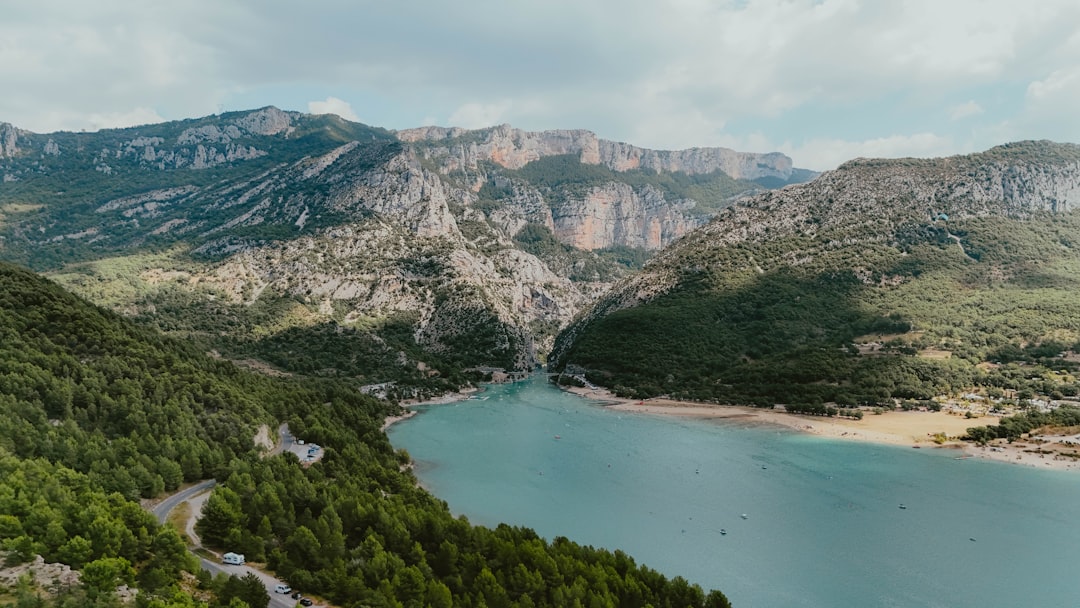
Sardinia & Savoie: 2026's Must-See Destinations Revealed
Introduction: Why These Two European Gems Are 2026's Top Picks
Euronews recently announced their top destinations for 2026. Two European locations made the list. Sardinia and Savoie both earned this honor. This recognition comes from travel experts worldwide. These destinations offer unique experiences for travelers. They combine natural beauty with rich cultural heritage.
Sardinia is Italy's second-largest island. It sits in the Mediterranean Sea. The island boasts stunning beaches and ancient history. Savoie is a French region in the Alps. It offers breathtaking mountain scenery and winter sports. Both locations provide unforgettable vacation experiences.
The selection process considered several factors. Sustainability efforts were important. Cultural preservation mattered too. Visitor experiences and local infrastructure were evaluated. Both Sardinia and Savoie scored high in all categories. This makes them ideal for your 2026 travel plans.
This article will explore both destinations in detail. You will learn what makes them special. We will cover their top attractions and hidden gems. Practical travel tips will help you plan your visit. Let's discover why these two European treasures deserve your attention.
Sardinia: The Mediterranean Jewel
Geography and Climate
Sardinia sits west of the Italian peninsula. It is surrounded by the Mediterranean Sea. The island covers about 24,000 square kilometers. Its coastline stretches for nearly 2,000 kilometers. This means plenty of beautiful beaches to explore.
The climate is typically Mediterranean. Summers are warm and dry. Winters remain mild. This makes Sardinia a year-round destination. The best time to visit depends on your preferences. Beach lovers prefer June through September. Cultural tourists enjoy spring and autumn.
The interior features mountains and hills. The highest peak is Punta La Marmora. It reaches 1,834 meters above sea level. This varied landscape creates diverse ecosystems. You can enjoy both coastal and mountain activities.
Top Attractions and Must-See Places
Sardinia offers countless amazing places to visit. Here are the top attractions you shouldn't miss:
- Costa Smeralda: This famous coastline features turquoise waters and luxury resorts. It's perfect for beach enthusiasts and yacht lovers.
- Alghero: A beautiful Catalan-influenced town with historic walls and great seafood restaurants.
- Cagliari: The capital city boasts Roman ruins, museums, and vibrant markets.
- Nuraghe Su Nuraxi: A UNESCO World Heritage site featuring ancient stone structures.
- La Maddalena Archipelago: A national park with pristine islands and crystal-clear waters.
Each region of Sardinia offers something unique. The north has glamorous resorts and sailing opportunities. The south features archaeological sites and traditional villages. The east coast has dramatic cliffs and hidden coves. The west offers stunning sunsets and wind-sculpted rocks.
Cultural Heritage and Traditions
Sardinia's culture is distinct from mainland Italy. The island has its own language, Sardo. Traditional festivals and crafts remain important parts of local life. The Nuragic civilization left impressive stone structures throughout the island.
Local cuisine reflects the island's history and geography. Seafood plays a major role in coastal areas. Mountain villages feature lamb and pork dishes. Pecorino cheese and Cannonau wine are local specialties. Bread-making traditions vary from village to village.
Traditional costumes are still worn during festivals. The Sartiglia in Oristano is a famous horseback tournament. It dates back to medieval times. Other celebrations honor saints and mark seasonal changes. These events offer visitors unique cultural experiences.
Savoie: The Alpine Wonderland
Location and Landscape
Savoie is in southeastern France. It borders Italy and Switzerland. The region is part of the French Alps. It includes some of Europe's highest mountains. Mont Blanc, Europe's tallest peak, lies nearby.
The landscape features dramatic mountain ranges. Deep valleys contain picturesque villages. Crystal-clear lakes reflect the surrounding peaks. Glaciers and waterfalls add to the natural beauty. This makes Savoie a paradise for outdoor enthusiasts.
The climate varies with altitude. Valley bottoms experience four distinct seasons. Higher elevations remain cold year-round. Winter brings heavy snowfall perfect for skiing. Summer offers pleasant temperatures for hiking and cycling.
Major Destinations and Activities
Savoie offers diverse experiences for every traveler. Here are the top destinations and activities:
- Chamonix: A world-famous ski resort at the foot of Mont Blanc. It offers year-round mountain activities.
- Courchevel: Part of the massive Three Valleys ski area. It features luxury accommodations and fine dining.
- Annecy: Called the "Venice of the Alps" for its canals and beautiful lake.
- Lac du Bourget: France's largest natural lake, perfect for water sports and relaxation.
- Vanoise National Park: France's first national park, home to diverse wildlife and hiking trails.
Winter activities include skiing, snowboarding, and snowshoeing. Summer offers hiking, mountain biking, and paragliding. Cultural attractions include medieval castles and Baroque churches. Thermal spas provide relaxation after active days.
Local Culture and Cuisine
Savoie's culture reflects its mountain environment. Traditional farming practices continue in some areas. Cheese production remains important to the local economy. The region is famous for its Beaufort and Reblochon cheeses.
Local cuisine features hearty mountain dishes. Fondue Savoyarde combines local cheeses with wine. Tartiflette includes potatoes, bacon, and Reblochon cheese. Diots are savory sausages often served with polenta. These dishes provide energy for outdoor activities.
Traditional architecture uses local stone and wood. Church spires feature distinctive onion-shaped domes. Many villages preserve their historic centers. Local markets offer handicrafts and agricultural products. These elements create a unique cultural experience.
Why These Destinations Were Chosen for 2026
Sustainability Efforts
Both destinations prioritize sustainable tourism. Sardinia has implemented coastal protection measures. The island promotes eco-friendly accommodations. Many hotels use solar power and water conservation systems. Local businesses support organic farming and fishing practices.
Savoie focuses on preserving its mountain environment. Ski resorts use renewable energy sources. Wildlife protection programs help endangered species. Public transportation reduces traffic congestion. These efforts ensure future generations can enjoy these beautiful places.
The World Tourism Organization recognizes both regions for their sustainability work. Local communities benefit from responsible tourism. Visitors can enjoy these destinations without harming the environment. This makes them ideal for conscious travelers.
Infrastructure Improvements
Significant investments enhance the visitor experience. Sardinia improved its airport facilities. New ferry connections make island hopping easier. Better roads access remote beaches and villages. Updated signage helps tourists navigate independently.
Savoie expanded its public transportation network. New cable cars access high-altitude areas. Bike paths connect towns and attractions. Improved ski lift systems reduce waiting times. These upgrades make exploring more convenient and enjoyable.
Both regions enhanced their digital infrastructure. Free Wi-Fi is available in public areas. Mobile apps provide real-time information. Online booking systems simplify trip planning. These technological improvements meet modern traveler expectations.
Unique Cultural Experiences
Sardinia offers immersion in ancient traditions. Visitors can participate in local festivals. Cooking classes teach traditional recipes. Archaeological sites reveal thousands of years of history. These experiences create meaningful connections with local culture.
Savoie provides insight into mountain life. Farm visits demonstrate cheese-making techniques. Guided hikes explain alpine ecology. Historic sites tell stories of mountain communities. These activities offer deeper understanding of the region.
Both destinations maintain authentic character despite tourism. Local businesses preserve traditional crafts. Family-run restaurants serve generations-old recipes. Community events welcome visitor participation. This authenticity distinguishes them from more commercialized destinations.
Practical Travel Planning Guide
Getting There and Around
Reaching Sardinia requires planning. Three airports serve the island: Cagliari, Olbia, and Alghero. Ferries connect from mainland Italy and France. Once there, renting a car is recommended. Public buses serve major towns but not remote areas.
Savoie is easily accessible from major European cities. Geneva Airport serves the northern part. Lyon Airport accesses southern areas. High-speed trains connect to Paris and other cities. Within the region, trains and buses provide good coverage.
Consider these transportation tips:
- Book flights and ferries well in advance for summer travel
- Compare rental car companies for best rates
- Purchase regional transportation passes for savings
- Download offline maps for areas with poor reception
- Learn basic driving rules and parking regulations
Accommodation Options
Both destinations offer diverse lodging choices. Sardinia features luxury resorts and budget hotels. Agriturismi (farm stays) provide authentic experiences. Vacation rentals work well for families and groups. Camping sites access beautiful natural areas.
Savoie offers traditional chalets and modern hotels. Mountain refuges provide basic accommodation for hikers. Spa resorts feature thermal waters and wellness treatments. City hotels serve urban explorers. Consider your priorities when choosing where to stay.
Booking strategies can save money and ensure availability:
- Reserve several months ahead for peak seasons
- Consider shoulder seasons for better rates
- Read recent reviews before booking
- Verify cancellation policies carefully
- Check included amenities and additional fees
Budget Planning Tips
Travel costs vary by season and style. Sardinia can be expensive during summer. Savoie costs more in winter ski season. Planning helps manage expenses effectively.
Consider these budget strategies:
- Travel during shoulder seasons for lower prices
- Cook some meals if you have kitchen facilities
- Use public transportation instead of taxis
- Look for free activities and attractions
- Purchase museum passes for multiple visits
The European Commission provides travel cost comparisons. Average daily budgets range from €50-150 per person. This depends on accommodation style and dining preferences. Proper planning ensures you get good value for your money.
Seasonal Considerations and Best Times to Visit
Sardinia Through the Seasons
Each season offers different experiences in Sardinia. Summer (June-August) brings hot weather and crowded beaches. This is perfect for swimming and water sports. Cultural festivals occur throughout these months.
Spring (March-May) features mild temperatures and blooming flowers. This is ideal for hiking and exploring archaeological sites. Autumn (September-November) offers warm sea temperatures and fewer tourists. This is great for coastal walks and wine tasting.
Winter (December-February) sees some rain but mild temperatures. This is the best time for budget travel and cultural immersion. Many hotels and restaurants remain open year-round.
Savoie's Seasonal Charms
Savoie transforms completely between seasons. Winter (December-March) is prime ski season. Snow conditions are typically excellent. Christmas markets add festive charm. This is the busiest and most expensive time.
Spring (April-June) brings melting snow and blooming flowers. This is perfect for valley hikes and visiting thermal spas. Summer (July-September) offers warm weather for high-altitude hiking. Music festivals and outdoor events occur regularly.
Autumn (October-November) features beautiful fall colors. This is harvest season for local products. Many resorts offer discounted rates during this quiet period. Each season provides unique reasons to visit.
Local Cuisine and Dining Experiences
Sardinian Food Specialties
Sardinian cuisine reflects the island's history and geography. Seafood dominates coastal areas. Suckling pig is a mountain specialty. Bread comes in many traditional forms. Pane carasau is a thin, crisp flatbread that keeps well.
Must-try dishes include:
- Porceddu: Slow-roasted suckling pig with myrtle leaves
- Bottarga: Cured fish roe, often grated over pasta
- Culurgiones: Handmade pasta filled with potato and mint
- Seadas: Fried pastry with cheese and honey dessert
- Mirto: Local liqueur made from myrtle berries
Local markets offer fresh produce and artisanal products. Food festivals celebrate seasonal specialties. Cooking classes teach traditional preparation methods. These experiences make Sardinia a food lover's paradise.
Savoie's Mountain Cuisine
Savoie's food provides energy for outdoor activities. Cheese features prominently in many dishes. Local wines complement the hearty fare. Traditional recipes use simple, quality ingredients.
Essential Savoyard dishes include:
- Fondue Savoyarde: Melted cheese with wine, eaten with bread
- Raclette: Melted cheese served with potatoes and charcuterie
- Tartiflette: Potato, bacon, and Reblochon cheese bake
- Diots au Vin Blanc: Sausages cooked in white wine
- Génépi: Herbal liqueur made from alpine plants
Mountain restaurants offer stunning views with meals. Farm visits include cheese tasting. Local markets sell regional products. These culinary experiences enhance any visit to Savoie.
FAQs: Your Questions Answered
1. When is the best time to visit Sardinia and Savoie?
The best time depends on your interests. For beach activities in Sardinia, visit June through September. For skiing in Savoie, December through March is ideal. Shoulder seasons (April-May and September-October) offer good weather with fewer crowds. Cultural travelers enjoy both destinations year-round.
2. How many days should I spend in each destination?
Plan at least 5-7 days for each region. This allows time to explore multiple areas. Sardinia requires more time due to its size and transportation needs. Savoie can be enjoyed in shorter visits if you focus on one area. Combining both destinations works well for a two-week trip.
3. What is the average cost for a trip to these regions?
Costs vary by travel style and season. Budget travelers can manage on €50-75 per day. Mid-range travelers should plan €100-150 daily. Luxury trips can exceed €200 per day. Savoie tends to be more expensive during ski season. Sardinia costs more during peak summer months.
4. Do I need to rent a car in Sardinia and Savoie?
A car is highly recommended for Sardinia. Public transportation doesn't reach all beautiful beaches and archaeological sites. In Savoie, trains and buses serve major destinations well. A car provides more flexibility for exploring remote mountain areas. Consider your itinerary before deciding.
5. What languages are spoken in these regions?
Italian is the official language in Sardinia. Many people in tourist areas speak English. Some older residents speak Sardo, the local language. In Savoie, French is the main language. English is widely spoken in tourist areas. Learning basic phrases in Italian and French enhances your experience.
6. Are these destinations family-friendly?
Both regions welcome families with children. Sardinia offers safe beaches and shallow waters. Many hotels provide family amenities. Savoie has ski schools for children and family-friendly hiking trails. Both destinations offer activities suitable for all ages. Advance planning ensures a smooth family vacation.
7. What are the COVID-19 requirements for travel?
Requirements change frequently. Check the World Health Organization for current guidelines. Both Italy and France follow European Union travel policies. Vaccination or testing requirements may apply. Travel insurance that covers COVID-related issues is recommended. Verify requirements before booking and traveling.
Real Traveler Experiences and Testimonials
Sardinia Success Stories
Maria from Germany visited Sardinia last year. She spent two weeks exploring the island. "The beaches exceeded my expectations," she reports. "The water was crystal clear everywhere. The food was simple but delicious. I loved learning about Nuragic history."
John from Australia traveled with his family. "Our children enjoyed building sandcastles on different beaches each day. The locals were friendly and helpful. We felt safe everywhere we went. The archaeological sites fascinated us all."
These experiences reflect common visitor reactions. The natural beauty impresses everyone. The rich history adds depth to the experience. The warm hospitality makes visitors feel welcome.
Savoie Adventure Tales
Sophie from England visited Savoie for skiing. "The ski areas were massive and well-maintained," she says. "The mountain restaurants served amazing food. The views took my breath away every day. I can't wait to return in summer for hiking."
Thomas from Canada explored Savoie by bicycle. "The cycling routes were challenging but rewarding. The alpine scenery was spectacular. The cheese and wine tastings were highlights. The people were proud of their region and happy to share it."
These stories show Savoie's versatility. It appeals to adventure seekers and relaxation lovers. The natural environment provides endless enjoyment. The local culture enhances every visit.
Step-by-Step Planning Guide
Step 1: Determine Your Travel Priorities
First, decide what type of experience you want. Beach relaxation or mountain adventure? Cultural immersion or active exploration? Luxury treatment or budget travel? Your answers will guide all other decisions.
Step 2: Choose Your Travel Dates
Consider weather, crowds, and costs. Peak seasons offer ideal conditions but higher prices. Shoulder seasons provide good value. Off-season travel saves money but has limitations. Match dates to your preferred activities.
Step 3: Set Your Budget
Calculate total available funds. Allocate amounts for transportation, accommodation, food, activities, and souvenirs. Include a contingency fund for unexpected expenses. Research typical costs for your travel style.
Step 4: Book Major Elements
Reserve flights or ferry tickets first. Then secure accommodation. Arrange car rental if needed. Book popular activities or tours in advance. Early booking often saves money and ensures availability.
Step 5: Plan Your Itinerary
List must-see attractions and activities. Group them by location to minimize travel time. Allow flexibility for spontaneous discoveries. Balance busy days with relaxation time. Create a realistic schedule.
Step 6: Prepare Documentation
Check passport validity and visa requirements. Purchase travel insurance. Make copies of important documents. Download necessary apps and maps. Inform your bank about travel plans.
Step 7: Final Preparations
Pack appropriate clothing and gear. Learn basic local phrases. Confirm all bookings. Arrange pet or plant care. Set up mail holding. Prepare your home for departure.
Conclusion: Start Planning Your 2026 Adventure
Sardinia and Savoie deserve their top destination status. They offer incredible natural beauty and rich cultural experiences. Sustainable tourism practices protect these treasures for future visitors. Improved infrastructure makes travel more comfortable and accessible.
Whether you prefer Mediterranean beaches or Alpine peaks, these destinations deliver unforgettable experiences. The local cuisine satisfies every palate. The welcoming atmosphere makes visitors feel at home. The variety of activities ensures there's something for everyone.
Early planning enhances your travel experience. Research helps you make informed decisions. Advance booking often saves money. Proper preparation reduces stress during your trip. The effort invested in planning pays off with smoother travels.
Consider combining both destinations for a diverse European adventure. Alternatively, focus deeply on one region to fully appreciate its offerings. Either approach will create lasting memories. The Italian Tourism Board and French Tourism Development Agency provide excellent planning resources.
Start dreaming about your 2026 travels today. Imagine yourself on Sardinia's white sand beaches. Picture yourself hiking through Savoie's flower-filled meadows. These visions can become reality with proper planning. Your unforgettable European adventure awaits.