
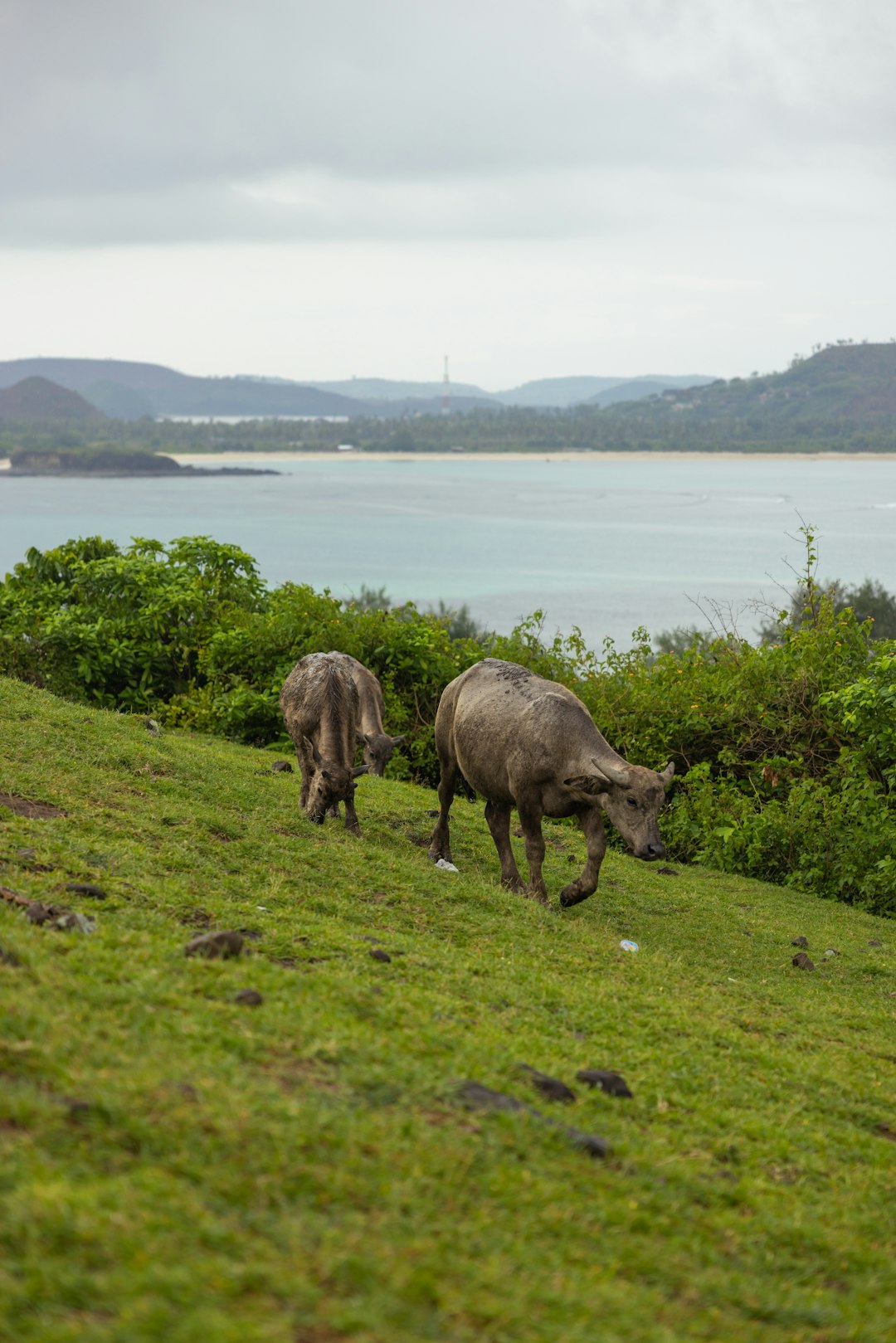
Paradise in Peril: Wildlife Haven Faces Crisis
Introduction: When Nature's Sanctuary Becomes Dangerous
Imagine a tropical island full of amazing animals. Picture colorful birds flying through green forests. See monkeys playing in tall trees. This place should be perfect for nature lovers. But recently, something changed. This beautiful island now has serious problems. The United States government issued a travel warning. They say visitors should be very careful. The island has growing crime and political unrest. This creates a difficult situation. Tourists want to see the incredible wildlife. But they also need to stay safe. This article will explain everything you need to know. We will cover the current situation. We will share safety tips. We will help you make smart travel decisions. Our goal is simple. We want you to enjoy nature while staying protected. Let's explore this complex issue together. Remember, knowledge is your best protection when traveling.
Understanding the Current Situation
The island facing these challenges is known worldwide. It is famous for its unique animals and plants. Many species live only on this island. Scientists call this endemic species. For years, tourists visited safely. They enjoyed the natural beauty. But recent events changed everything. Political disagreements led to protests. Sometimes these protests became violent. Crime rates increased in some areas. The local police struggle to manage the situation. The US Department of State took notice. They issued a Level 2 travel advisory. This means "Exercise Increased Caution." Other countries gave similar warnings. These include Canada and the United Kingdom. The warnings affect tourism significantly. Fewer visitors come to the island. Local businesses suffer. Conservation projects face funding challenges. It is a difficult time for everyone involved.
What Triggered the Unrest?
Several factors created the current crisis. Economic problems played a big role. The island depends heavily on tourism. COVID-19 hurt this industry badly. Many people lost their jobs. Poverty increased in some communities. Political disagreements made things worse. Different groups argue about how to manage resources. They disagree about conservation policies. Some local communities feel left out of decisions. They believe tourists benefit more than locals. This created tension and frustration. In recent months, protests became more common. Some protests blocked roads. Others turned violent. Criminal groups took advantage of the situation. They increased activities in tourist areas. Police resources became stretched thin. The government struggles to find solutions. International organizations try to help. But progress is slow and difficult.
Impact on Wildlife Conservation
The unrest affects wildlife conservation efforts. Many conservation projects rely on tourism money. With fewer visitors, funding decreases. Anti-poaching patrols have less support. Animal protection programs face cuts. Some rare species become more vulnerable. Park rangers work in dangerous conditions. They worry about their safety. International researchers reconsider their plans. Some delay or cancel their trips. This hurts scientific understanding. Local conservation groups try to continue their work. But they face many challenges. They need more support and resources. The situation is urgent for some endangered species. They cannot wait for politics to improve. Immediate action is necessary to protect them.
Official Travel Advisories Explained
Travel advisories help people make safe choices. Governments share information about risks abroad. The US uses a four-level system. Level 1 means "Exercise Normal Precautions." Level 2 means "Exercise Increased Caution." Level 3 means "Reconsider Travel." Level 4 means "Do Not Travel." The island currently has a Level 2 advisory. This is serious but not the most severe warning. It means visitors should be more careful than usual. The advisory mentions specific concerns. These include crime, civil unrest, and limited healthcare. Some areas have higher risks than others. The capital city sees most protests. Remote areas have less police presence. Tourist spots might have pickpockets. The advisory updates regularly. Travelers should check for new information. Other countries have similar systems. Their advice might differ slightly. It is wise to check multiple sources before traveling.
Key Points from US Travel Advisory
- Avoid protest areas and large gatherings
- Do not walk alone at night
- Keep valuables hidden and secure
- Have emergency contacts ready
- Register with the Smart Traveler Enrollment Program (STEP)
- Monitor local media for updates
- Follow instructions from local authorities
- Have a communication plan with family
Safety Tips for Travelers
Your safety should be your top priority. Good planning makes a big difference. Follow these tips to protect yourself. First, research your destination thoroughly. Learn about safe and risky areas. Choose accommodations in secure neighborhoods. Read recent reviews from other travelers. Second, keep important documents safe. Make copies of your passport. Store them separately from the original. Share your itinerary with trusted contacts. Third, be careful with money and valuables. Use hotel safes when available. Do not show large amounts of cash. Avoid wearing expensive jewelry. Fourth, stay aware of your surroundings. Do not use headphones while walking. Pay attention to people around you. Trust your instincts if something feels wrong. Fifth, learn basic local phrases. Knowing how to ask for help is valuable. Understand emergency numbers. Know how to contact local police.
Transportation Safety
Transportation requires special attention. Use official taxis or ride-sharing services. Avoid unmarked vehicles. Check that the driver uses the meter. Share ride details with someone. When driving, keep doors locked. Park in well-lit areas. Do not leave valuables in the car. Be careful on public transportation. Watch your belongings closely. Avoid crowded buses during rush hour. For long distances, consider reputable tour companies. They know the safe routes and areas. They have experience with current conditions. Always have a backup plan. Know alternative routes to your accommodation. Keep emergency cash separate from other money.
Health and Medical Preparedness
Healthcare access might be limited. Prepare accordingly before your trip. Check your health insurance coverage. Make sure it works abroad. Consider travel insurance with medical evacuation. Pack a comprehensive first-aid kit. Include prescription medications in original containers. Bring copies of your prescriptions. Research local hospitals and clinics. Know their locations and contact information. Stay current on routine vaccinations. Consider additional vaccines based on your destination. Practice good hygiene to avoid illness. Drink only bottled or purified water. Be careful with street food. Use insect repellent to prevent diseases. Protect yourself from the sun. Heat exhaustion can be dangerous. Rest when needed and stay hydrated.
Wildlife Viewing in Current Conditions
The island's wildlife remains incredible despite challenges. Many national parks and reserves stay open. But visitors need to adjust their expectations. Some areas might have limited access. Others could close suddenly due to unrest. Always check current conditions before visiting. Use reputable tour operators. They know which areas are safe. They understand local conditions better. Follow park rules carefully. Stay on marked trails. Do not approach animals too closely. Keep a safe distance at all times. Respect wildlife and their habitat. Do not feed wild animals. This can be dangerous for both you and them. Remember that animals behave differently during unrest. They might be more nervous or aggressive. Be extra cautious during your observations.
Best Practices for Responsible Tourism
- Choose ethical tour operators who support conservation
- Respect local guidelines and regulations
- Do not purchase products made from endangered species
- Support local communities by buying from small businesses
- Leave no trace - take all trash with you
- Use reef-safe sunscreen if swimming
- Be mindful of your environmental impact
- Share your experiences responsibly on social media
Real Examples and Case Studies
Real stories help understand the situation better. Let's look at some examples. Maria visited the island last month. She is an experienced traveler from Germany. She planned her trip carefully. She chose a reputable tour company. They adjusted itineraries based on daily conditions. One day, they avoided the capital due to protests. Instead, they visited a less-known nature reserve. It was beautiful and peaceful. Maria felt safe throughout her trip. She saw amazing animals and took great photos. Another traveler, John from Australia, had a different experience. He traveled independently without much planning. He got lost in a city area after dark. Someone stole his wallet and phone. He struggled to get help because he didn't know emergency numbers. These stories show how preparation makes a difference. Good planning leads to better experiences.
Statistics and Data Analysis
Numbers help understand the scale of the situation. Tourism decreased by 35% in the past year. This comes from UN World Tourism Organization data. Crime reports in tourist areas increased by 20%. This information comes from local police statistics. However, most crimes are non-violent. Theft and pickpocketing are most common. Violent crimes against tourists remain rare. About 85% of visitors report positive experiences. This comes from recent visitor surveys. Conservation funding dropped by 40% for some projects. This affects animal protection efforts. Park visits decreased by 50% in some areas. This hurts local communities that depend on tourism. The situation is complex with both challenges and opportunities.
Step-by-Step Safety Planning Guide
Good planning ensures a safer trip. Follow these steps carefully.
- Research Phase (4-6 weeks before travel)
Check current travel advisories from multiple sources. Research safe neighborhoods for accommodation. Read recent traveler reviews and experiences. - Preparation Phase (2-3 weeks before travel)
Purchase comprehensive travel insurance. Register with your embassy's traveler program. Learn basic local phrases and emergency numbers. - Packing Phase (1 week before travel)
Prepare a first-aid kit with essential medications. Make copies of important documents. Pack appropriate clothing for the climate and culture. - During Your Trip
Check local news daily for updates. Avoid protest areas and large gatherings. Keep emergency contacts easily accessible. - Emergency Response
Know how to contact local police and your embassy. Have a communication plan with family back home. Keep emergency cash separate from other money.
Frequently Asked Questions (FAQ)
Is it completely safe to visit the island now?
No place is completely safe. But with precautions, many visitors have good experiences. The island has a Level 2 travel advisory. This means "Exercise Increased Caution." Most tourists who plan carefully enjoy their trips. They see amazing wildlife and have memorable adventures. Follow safety guidelines and stay informed.
What areas should I avoid completely?
Some areas have higher risks. Avoid the capital city during protests. Stay away from remote border regions. Be careful in crowded markets and tourist spots. Check current advisories for specific locations. Your hotel staff can provide local advice. Tour operators know which areas to avoid.
Can I still see the famous wildlife safely?
Yes, wildlife viewing is still possible. Many national parks remain open and safe. Use reputable tour companies. They know the current conditions. They can adjust plans if needed. Early morning visits are often quieter and safer. Always follow guide instructions carefully.
What should I do if I encounter a protest?
Leave the area immediately if safe to do so. Do not take photos or videos. Move away from large crowds. Seek shelter in a secure building if possible. Contact your tour operator or hotel for advice. Monitor local news for updates. Wait until the situation calms before continuing your activities.
How reliable are local police and emergency services?
Services vary by location. In tourist areas, response is usually good. In remote regions, help might take longer. Always have backup plans. Know emergency numbers by heart. Your embassy can assist in serious situations. Travel insurance with emergency support is valuable.
Should I cancel my planned trip?
This is a personal decision. Consider your comfort with risk. Evaluate your travel experience. Think about your itinerary and activities. Consult recent traveler reviews. Check current advisory levels. Many people travel safely with proper planning. But if you feel uncomfortable, postponing might be better.
How can I support conservation efforts during my visit?
Choose ethical tour operators. Visit national parks and pay entrance fees. Buy from local artisans and businesses. Follow all park rules and guidelines. Do not purchase wildlife products. Share your experiences responsibly. Consider donating to legitimate conservation organizations.
Conclusion: Balancing Adventure and Safety
The island faces real challenges. Political unrest and crime create risks for visitors. But the incredible wildlife and natural beauty remain. With careful planning, you can experience this amazing place safely. Research is your most important tool. Stay informed about current conditions. Choose reputable tour operators. Follow safety guidelines consistently. Be flexible with your plans. Conditions can change quickly. Have backup options ready. Support local communities through responsible tourism. Your visit can help conservation efforts. It provides income for park protection. It supports local families. Remember that your safety comes first. Make smart decisions based on reliable information. The island needs responsible visitors now more than ever. With proper preparation, you can have an unforgettable adventure while staying safe. The future of this special place depends on balanced tourism that benefits both people and wildlife.