
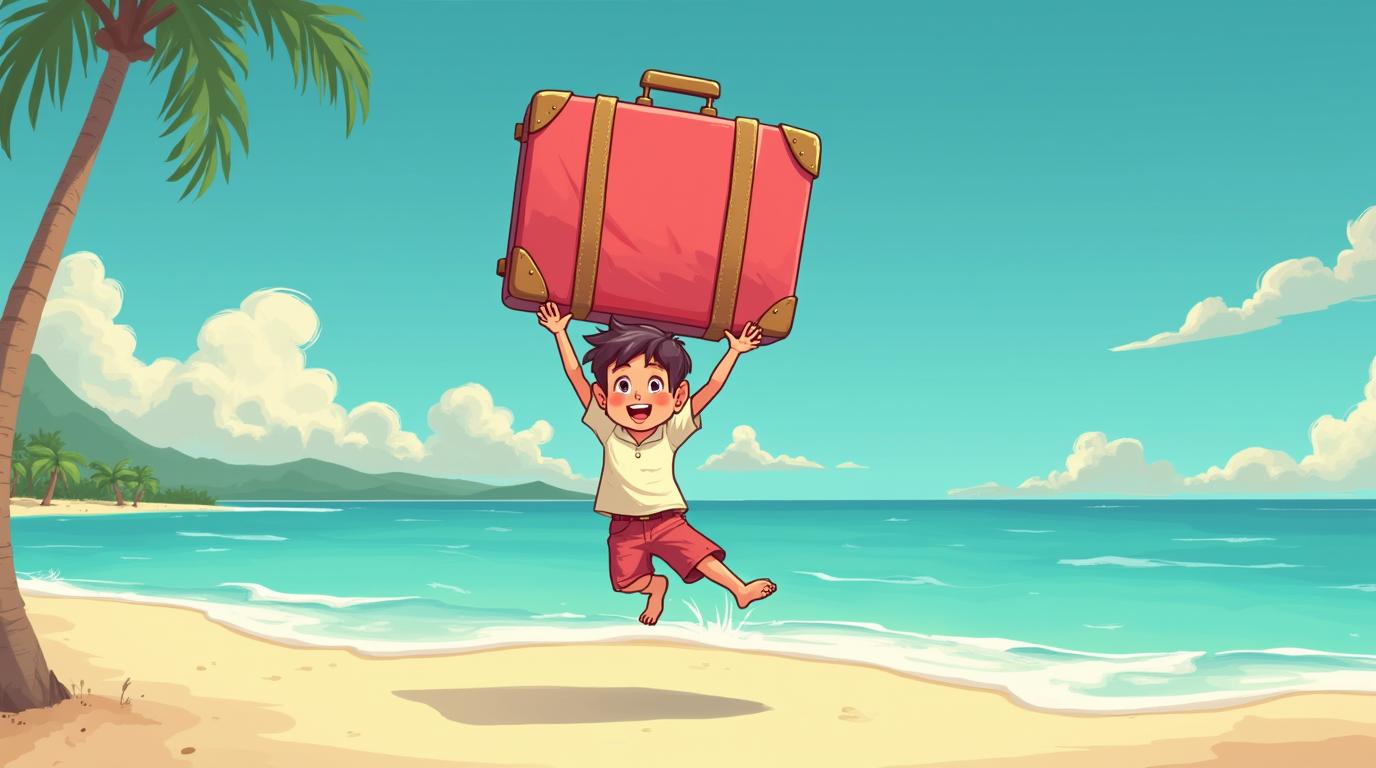
Good Family Vacations: Budget-Friendly & Fun Destinations
Introduction: Why Family Vacations Matter More Than Ever
Family vacations create lasting memories. They bring families closer together. Vacations help children learn about the world. They provide breaks from daily routines. Good family vacations do not need to be expensive. They just need to be well planned.
Research shows family trips improve relationships. A study by the American Psychological Association found shared experiences strengthen family bonds. Children who travel perform better in school. They develop better social skills. Family vacations reduce stress for parents and kids.
This guide will help you plan amazing family trips. We cover budget options. We discuss destinations for all ages. You will learn practical tips. We include real examples. Our goal is to make family vacation planning easy and fun.
Remember: The best family vacations focus on connection. They are not about spending lots of money. They are about spending quality time together. Let's explore how to create unforgettable family memories.
Planning Your Perfect Family Vacation
Setting a Realistic Budget
Budget planning is the first step. Be honest about what you can afford. Include all expected costs. Travel expenses add up quickly. The AAA reports the average family vacation costs $1,919 per person.
Here is a simple budget breakdown:
- Transportation: 40% of total budget
- Accommodation: 30% of total budget
- Food and activities: 20% of total budget
- Emergency fund: 10% of total budget
Save money by traveling off-season. Book flights on Tuesday afternoons. Use price comparison websites. Consider vacation rentals instead of hotels. Pack snacks to reduce food costs.
Choosing the Right Destination
Select destinations that suit your family's interests. Consider children's ages. Young kids need shorter travel times. Teenagers want more adventure. Everyone should have input.
Ask these questions when choosing:
- What activities does our family enjoy?
- How far are we willing to travel?
- What is our budget for this trip?
- What time of year are we traveling?
- Are there special needs to consider?
National parks offer great value. Beach resorts provide relaxation. Cities offer educational opportunities. Choose what works for your family.
Best Family Vacation Destinations by Age Group
Vacations with Young Children (Ages 1-5)
Young children need simple vacations. Keep travel times short. Choose familiar environments. Beach trips work well. So do visits to grandparents.
Best destinations for young kids:
- Beach resorts with calm waters
- Family-friendly campgrounds
- Visit relatives in other cities
- Local staycations
- All-inclusive family resorts
The Orlando, Florida area offers many options. It has theme parks. It also has natural springs. There are educational centers. Many hotels have kids' clubs.
Vacations with School-Age Children (Ages 6-12)
School-age children love adventure. They enjoy learning new things. National parks are perfect. So are historical sites. Consider educational trips.
Top destinations for this age:
- Yellowstone National Park
- Washington D.C. museums
- Disney World or Disneyland
- Dude ranches
- Beach houses with activities
According to National Park Service data, family visits to parks have increased 15% in five years. Parks offer junior ranger programs. These are free and educational.
Vacations with Teenagers
Teenagers want independence. They enjoy active vacations. Include them in planning. Give them some freedom during trips.
Great teen vacation ideas:
- Snowboarding or ski trips
- Music festival destinations
- International cultural trips
- Adventure travel
- Beach towns with surfing
Costa Rica is excellent for teens. It offers zip-lining. There is white water rafting. Beaches provide surfing lessons. Wildlife watching appeals to all ages.
Budget-Friendly Family Vacation Ideas
Camping and Outdoor Adventures
Camping is very affordable. It connects families with nature. National park campsites cost $20-$35 per night. State parks are even cheaper.
Essential camping gear for families:
- Quality tent (size up for comfort)
- Sleeping bags and pads
- Portable cooking equipment
- First aid kit
- Flashlights and headlamps
Camping teaches children survival skills. It builds confidence. The Recreation.gov website makes booking easy. Reserve sites months in advance for popular parks.
Road Trips: The Classic American Vacation
Road trips offer flexibility. You can change plans easily. They are perfect for families. You control the schedule and budget.
Planning a successful family road trip:
- Choose your route carefully
- Plan stops every 2-3 hours
- Pack entertainment for kids
- Book accommodations in advance
- Build in extra time for surprises
The Roadtrippers app helps find interesting stops. It shows unique attractions along your route. This makes driving more fun for everyone.
Staycations: Rediscovering Your Hometown
Staycations save money on travel. You act like tourists in your own city. This approach reveals hidden gems. It creates appreciation for local areas.
Staycation activity ideas:
- Visit local museums you've never seen
- Try new restaurants in different neighborhoods
- Book a night in a local hotel
- Explore nearby parks and trails
- Attend local festivals or events
The average staycation saves families $2,000 compared to flying elsewhere. You support local businesses too. Everyone wins with this approach.
International Family Vacation Destinations
Family-Friendly European Destinations
Europe offers rich cultural experiences. Some countries are very family-oriented. Public transportation makes getting around easy.
Top European destinations for families:
- Ireland: Friendly people, beautiful landscapes
- Netherlands: Bike-friendly, great museums
- Spain: Beaches, relaxed lifestyle
- United Kingdom: Familiar language, history
- Germany: Christmas markets, fairy tale castles
According to Lonely Planet, Ireland ranks as the most family-friendly European destination. The people are welcoming to children. Many attractions are free or low-cost.
Asian Adventures for Families
Asia offers unique cultural experiences. Some destinations are very affordable. Food is often delicious and kid-friendly.
Best Asian countries for families:
- Japan: Safe, clean, and organized
- Thailand: Beautiful beaches, friendly culture
- Singapore: Modern, English-speaking, great food
- Taiwan: Underrated gem with great food
- South Korea: Technology meets tradition
Japan's rail system makes travel easy. Bullet trains connect major cities. Family passes save money. The country is extremely safe for travelers.
Practical Tips for Stress-Free Family Travel
Packing Smart for Family Trips
Good packing reduces travel stress. Create packing lists for each family member. Include essentials but don't overpack.
Family packing essentials:
- Medications and first aid supplies
- Entertainment for travel days
- Comfort items for young children
- Weather-appropriate clothing
- Snacks and reusable water bottles
Use packing cubes to stay organized. Color-code by family member. Keep important documents together. Always pack a change of clothes in carry-on bags.
Managing Travel Days Successfully
Travel days can be challenging. Proper planning makes them smoother. Build in extra time for everything.
Travel day survival tips:
- Arrive at airports early
- Pack snacks and entertainment
- Dress in comfortable layers
- Take regular breaks on road trips
- Keep important items accessible
The TSA website has current security rules. Check it before flying. This prevents problems at security checkpoints. Remember liquids restrictions.
Keeping Everyone Happy and Healthy
Vacation health issues can ruin trips. Take precautions. Be prepared for common problems.
Health and safety tips:
- Wash hands frequently
- Stay hydrated during activities
- Use sunscreen regularly
- Pack a basic medical kit
- Know emergency numbers at your destination
Research healthcare options before traveling. Know where the nearest hospital is. Keep insurance information handy. These steps provide peace of mind.
Making Educational Family Vacations Fun
Historical Destinations That Kids Love
History comes alive when children experience it. Choose interactive historical sites. Look for hands-on activities.
Engaging historical destinations:
- Colonial Williamsburg, Virginia
- Plimoth Plantation, Massachusetts
- Alamo Mission, Texas
- Freedom Trail, Boston
- Ellis Island, New York
These sites often have costumed interpreters. Children can ask questions. They participate in activities. Learning happens naturally through experience.
Science and Nature Learning Vacations
Science museums make learning exciting. Many have interactive exhibits. Natural wonders teach about geology and ecology.
Top science destinations:
- Smithsonian Museums, Washington D.C.
- Kennedy Space Center, Florida
- Monterey Bay Aquarium, California
- Field Museum, Chicago
- Museum of Science and Industry, Chicago
The Exploratorium in San Francisco is particularly hands-on. Children can touch most exhibits. They learn through direct experience. This approach makes complex concepts understandable.
Family Vacation FAQ
How far in advance should we plan a family vacation?
Plan 3-6 months in advance for domestic trips. Plan 6-12 months for international travel. This ensures availability of accommodations and flights. It also spreads out costs through saving.
What is the best time of year for family vacations?
Shoulder seasons (spring and fall) offer the best balance. Crowds are smaller. Weather is pleasant. Prices are lower than peak summer months. Consider your children's school schedule when planning.
How can we save money on family vacations?
Travel during off-peak times. Use reward points for flights and hotels. Cook some meals instead of eating out. Look for free activities. Consider alternative accommodations like vacation rentals.
What should we do if our children get homesick?
Bring comfort items from home. Maintain some routines. Call or video chat with friends. Plan fun activities to distract them. Be patient and understanding. Homesickness usually passes quickly.
How do we handle different ages and interests?
Plan activities that appeal to various ages. Split up sometimes if needed. Let older children have some independence. Include everyone in planning. Compromise is key to family travel success.
What documents do we need for international travel?
All family members need valid passports. Some countries require visas. Check entry requirements for your destination. Carry copies of important documents. Know the rules for traveling with children.
How can we make long flights easier with children?
Pack plenty of entertainment. Bring snacks and comfort items. Choose overnight flights when possible. Walk around the cabin regularly. Use children's headphones for electronic devices.
Real Family Vacation Examples
The Johnson Family's National Park Adventure
The Johnson family visited three national parks. They spent two weeks traveling. Their total cost was $2,800 for four people. They camped most nights. They cooked their own meals.
Their itinerary included:
- Yellowstone National Park (4 days)
- Grand Teton National Park (3 days)
- Glacier National Park (4 days)
- Travel days between parks
The children earned junior ranger badges. They saw amazing wildlife. The family bonded over campfires. They created memories that will last forever.
The Garcia Family's European Exploration
The Garcia family spent three weeks in Europe. They visited Spain and Portugal. Their total cost was $9,000 for five people. They used public transportation. They stayed in vacation rentals.
Their highlights included:
- Madrid's art museums
- Barcelona's architecture
- Lisbon's historic neighborhoods
- Algarve beach towns
The children practiced Spanish. They tried new foods. The family learned about different cultures. They returned home with broader perspectives.
Family Vacation Statistics and Trends
Family travel continues to grow in popularity. Understanding trends helps with planning. Data reveals what works for families.
Key family vacation statistics:
- 88% of parents believe vacations improve family bonds (AAA)
- Family travel spending increased 20% since 2019 (Statista)
- 62% of families take 2-3 vacations yearly (Family Travel Association)
- Road trips account for 45% of family vacations (Roadtrippers)
- Multi-generational travel grew 35% in five years (AARP)
These numbers show family vacations remain important. Families prioritize travel despite busy schedules. They recognize the value of shared experiences.
Conclusion: Creating Your Family's Perfect Vacation
Good family vacations create lifelong memories. They strengthen family bonds. They provide educational opportunities. The best trips match your family's interests and budget.
Remember these key points when planning:
- Involve everyone in the planning process
- Choose destinations appropriate for children's ages
- Set a realistic budget and stick to it
- Build in flexibility for unexpected changes
- Focus on experiences rather than expensive attractions
Family vacations don't need to be perfect. They just need to be shared. The mishaps often become the best stories. The challenges build family resilience.
Start planning your next family adventure today. Use the tips in this guide. Create memories that your children will cherish forever. The investment in family travel pays dividends for years to come.
Where will your family go next? The possibilities are endless. The memories await. Happy travels!