
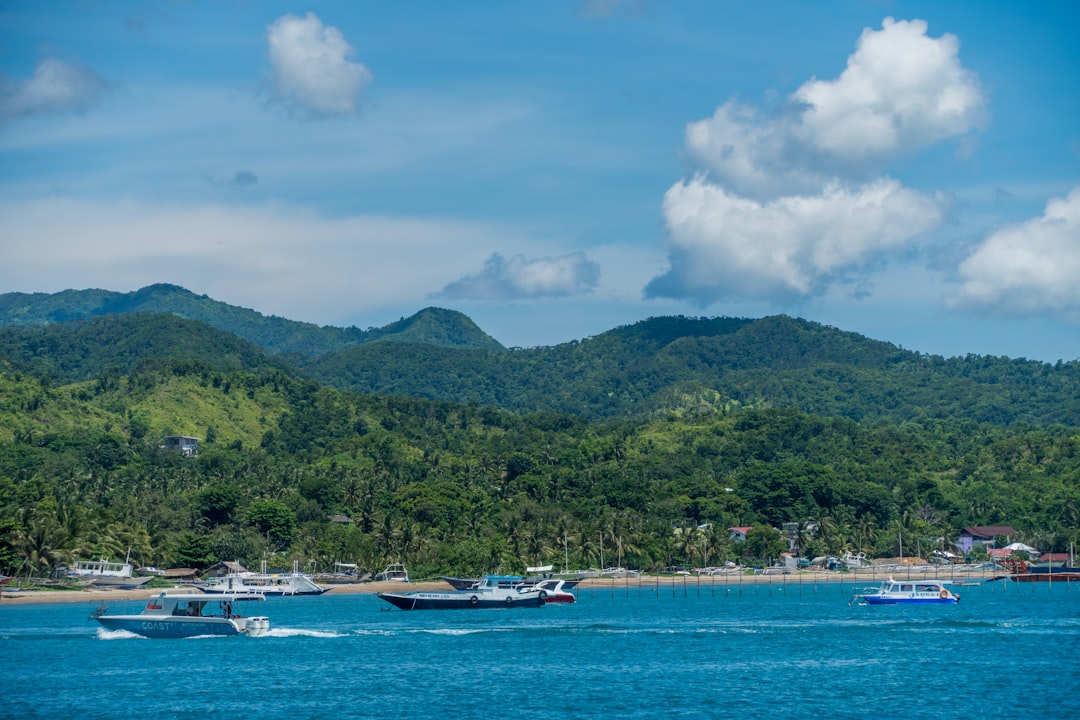
Discover Asia's Caribbean Paradise: Palawan's Hidden Gems
Introduction: The Caribbean of Asia Awaits
Imagine a place with crystal-clear turquoise waters. Picture pristine white sand beaches. Think of vibrant coral reefs teeming with life. This paradise exists in Asia. It's called Palawan in the Philippines. Many travelers call it the "Caribbean of Asia." This stunning island chain offers breathtaking natural beauty. It has year-round sunshine and warm hospitality. Palawan is truly a tropical dream destination.
Palawan stretches between the South China Sea and Sulu Sea. It's one of the Philippines' last ecological frontiers. The island province consists of 1,780 islands and islets. Its main island is the fifth largest in the Philippines. Palawan has been voted the "World's Best Island" multiple times by Travel + Leisure readers. It continues to amaze visitors with its natural wonders.
This comprehensive guide will show you everything about Palawan. You will learn about its top destinations. We will share practical travel tips. You will discover hidden gems most tourists miss. Get ready to explore this Asian Caribbean paradise. Let's dive into the beauty of Palawan together.
Why Palawan Earns the "Caribbean of Asia" Title
Geographical Similarities
Palawan shares many features with Caribbean destinations. Both have archipelagos with numerous islands. They feature similar tropical climates. The water colors match Caribbean shades of blue and green. Marine life is equally diverse and vibrant. The laid-back island vibe feels familiar to Caribbean visitors.
Natural Beauty Comparison
Palawan's El Nido has limestone cliffs like Thailand's Phi Phi Islands. But the water clarity rivals the Bahamas. The coral diversity matches the Great Barrier Reef. Underground rivers compete with Caribbean cenotes. The beaches equal any in the Caribbean for whiteness and softness.
Unique Advantages
Palawan offers some benefits over Caribbean destinations. It's generally more affordable for travelers. The cultural experiences are distinctly Asian. The food combines Filipino and Malaysian influences. It's less crowded than popular Caribbean spots. The biodiversity is exceptional both on land and underwater.
Top Destinations in Palawan You Must Visit
El Nido: The Crown Jewel
El Nido sits at the northern tip of Palawan. It's famous for dramatic limestone formations. The Bacuit Archipelago contains 45 islands and islets. Each offers unique beaches and lagoons. Popular spots include Small Lagoon and Big Lagoon. Secret Beach and Hidden Beach live up to their names. Seven Commandos Beach has powdery white sand.
El Nido offers four standard island-hopping tours: A, B, C, and D. Tour A covers Small Lagoon, Big Lagoon, and Secret Lagoon. Tour B includes Snake Island and Pinagbuyutan Island. Tour C features Helicopter Island and Matinloc Shrine. Tour D visits Cadlao Lagoon and Pasandigan Beach. Each tour costs approximately $20-30 per person.
Coron: Wreck Diving Paradise
Coron is in the Calamian Islands north of Palawan. It's world-famous for Japanese shipwrecks from World War II. The wrecks create artificial reefs teeming with marine life. Kayangan Lake is often called the cleanest lake in Asia. Barracuda Lake offers unique thermocline diving experiences. Twin Lagoon features stunning rock formations and clear waters.
Coron town serves as the main tourist base. From here, you can join island-hopping tours. Don't miss Maquinit Hot Springs for relaxing soaks. Mount Tapyas provides panoramic views of Coron. The 700-step climb rewards you with breathtaking sunset views. Coron has more than 12 sunken Japanese warships accessible to divers.
Puerto Princesa: The Gateway City
Puerto Princesa is Palawan's capital city. It's most famous for the Puerto Princesa Underground River. This UNESCO World Heritage Site stretches 8.2 kilometers. It features spectacular limestone formations. The river flows directly into the sea. It contains one of the most complex cave systems globally.
The city offers various attractions beyond the underground river. Visit the Palawan Wildlife Rescue and Conservation Center. See crocodiles and other native animals. Enjoy fresh seafood at Kinabuchs Grill. Explore Baker's Hill for snacks and photo opportunities. Take a firefly watching tour along Iwahig River.
Port Barton: The Quiet Alternative
Port Barton offers a more relaxed experience than El Nido. This fishing village has maintained its rustic charm. The beaches remain relatively undeveloped. Island hopping here feels more personal and private. German Island and Paradise Island are local favorites. The sandbars appear during low tide creating temporary islands.
Accommodation in Port Barton ranges from basic to comfortable. Electricity runs only from 6 PM to midnight in most areas. This adds to the authentic island experience. The night sky becomes incredibly clear without light pollution. The pace of life here is genuinely slow and peaceful.
Marine Life and Coral Reefs: Underwater Wonders
Coral Diversity and Health
Palawan's reefs host over 350 coral species. This represents about 70% of all coral species in the Philippines. The Tubbataha Reefs Natural Park is a UNESCO World Heritage Site. It covers 97,030 hectares of marine habitat. The park contains approximately 10,000 hectares of coral reef. According to the World Wildlife Fund, it shelters 600 fish species and 360 coral species.
Marine Species You'll Encounter
- Whale sharks in Honda Bay from November to May
- Sea turtles nesting on various beaches
- Dugongs (sea cows) in Coron and Busuanga
- Manta rays cleaning stations in Tubbataha
- Numerous reef sharks including blacktip and whitetip
- Colorful reef fish like clownfish, angelfish, and parrotfish
Conservation Efforts
Palawan has several marine protected areas. Local communities actively participate in conservation. The Environmental Legal Assistance Center helps enforce environmental laws. Sustainable tourism practices are increasingly adopted. Many resorts now use solar power and water recycling systems. Plastic bans are implemented in several municipalities.
Practical Travel Guide: Planning Your Palawan Adventure
Best Time to Visit
Palawan has two main seasons: dry and wet. The dry season runs from November to May. This is the peak tourist season. The weather is generally sunny and pleasant. The wet season is from June to October. You'll find fewer crowds and lower prices during this period. Some island activities might be limited by weather.
Getting There and Around
Most international travelers fly to Manila first. From Manila, take a domestic flight to Puerto Princesa, El Nido, or Coron. Cebu Pacific, Philippine Airlines, and AirAsia serve these routes. Once in Palawan, transportation options include:
- Vans for inter-town travel
- Tricycles for short distances
- Boats for island hopping
- Motorcycles for rent in main towns
Accommodation Options
Palawan offers accommodation for every budget. Luxury resorts provide five-star amenities. Mid-range hotels offer comfort at reasonable prices. Hostels cater to backpackers and solo travelers. Homestays provide authentic local experiences. Beachfront cottages offer direct ocean access. Always book in advance during peak season.
Budget Planning
Here's a sample daily budget for different travel styles:
- Budget traveler: $25-40 per day
- Mid-range traveler: $50-80 per day
- Luxury traveler: $150-300+ per day
Costs include accommodation, food, transportation, and activities. Remember that island hopping and diving add extra costs. Always carry some cash as credit cards aren't accepted everywhere.
Cultural Experiences and Local Life
Indigenous Communities
Palawan is home to several indigenous groups. The Tagbanwa people have ancestral domain over Coron. The Batak tribe lives in remote mountain areas. The Palaw'an people maintain traditional lifestyles. Some communities offer cultural immersion experiences. These visits should be arranged through reputable tour operators. Always respect local customs and traditions.
Local Cuisine
Palawan's food reflects its island location. Seafood features prominently in local dishes. Must-try foods include:
- Chicken inato (grilled chicken with special sauce)
- Lato (sea grapes salad)
- Tamilok (wood worms from mangrove trees)
- Fresh lobster and crabs
- Halo-halo (shaved ice dessert)
Festivals and Events
Palawan celebrates several colorful festivals annually. The Baragatan Festival in June marks Palawan's founding anniversary. The Kulambo Festival in November features mosquito net decorations. The Lalawigan Festival showcases local products and culture. These events offer great opportunities to experience local traditions.
Adventure Activities and Unique Experiences
Water-Based Adventures
Palawan offers numerous water activities beyond swimming and snorkeling. Try kayaking through hidden lagoons. Go stand-up paddleboarding in calm bays. Experience freediving in clear waters. Join sailing trips to remote islands. Try kite surfing when winds are favorable. Go fishing with local fishermen. Take sunset cruises for romantic evenings.
Land Adventures
Don't miss these land-based activities:
- Trekking to Taraw Cliff in El Nido
- Exploring caves in Puerto Princesa
- Zip-lining in various locations
- Visiting waterfalls like Nagkalit-kalit
- Mountain biking through rural landscapes
- Visiting pearl farms
Unique Palawan Experiences
Some experiences you can only find in Palawan:
- Swimming with phosphorescent plankton
- Visiting the Tabon Caves ("Cradle of Philippine Civilization")
- Seeing the endangered Philippine cockatoo
- Staying in floating cottages
- Joining community-based tourism projects
Environmental Awareness and Responsible Tourism
Sustainable Travel Practices
Tourism brings economic benefits but also environmental challenges. Practice these sustainable habits:
- Use reef-safe sunscreen
- Avoid touching corals or marine life
- Dispose of waste properly
- Choose eco-friendly accommodations
- Respect wildlife viewing distances
- Support local businesses
Conservation Organizations
Several organizations work to protect Palawan's environment. The Palawan Council for Sustainable Development coordinates conservation efforts. Conservation International works on marine protection. The World Wide Fund for Nature supports various projects. Consider donating or volunteering if you have time.
Frequently Asked Questions (FAQ)
1. Is Palawan safe for tourists?
Yes, Palawan is generally very safe for tourists. The local people are friendly and helpful. However, take normal travel precautions. Secure your valuables. Follow local advice about weather and sea conditions. Avoid walking alone on remote beaches at night.
2. Do I need vaccinations before visiting Palawan?
Standard travel vaccinations are recommended. These include hepatitis A and B, typhoid, and tetanus. Malaria risk is low but dengue fever exists. Use mosquito repellent. Consult your doctor 4-6 weeks before traveling.
3. What's the best way to get between El Nido and Coron?
You have three main options. Fast ferries take 3-4 hours and cost $30-40. Small aircraft fly the route in 30 minutes for about $80-100. You can also take a van and ferry combination. The ferry is usually the most popular choice.
4. Can I use credit cards in Palawan?
Major establishments in Puerto Princesa, El Nido, and Coron accept credit cards. However, many smaller businesses only accept cash. ATMs are available in main towns but may run out of money. Always carry sufficient Philippine pesos.
5. What should I pack for Palawan?
Pack light, breathable clothing. Include swimwear, sunscreen, and insect repellent. Bring waterproof bags for electronics. Don't forget reef shoes for rocky beaches. A reusable water bottle helps reduce plastic waste. A power bank is useful during power outages.
6. Is English widely spoken in Palawan?
Yes, English is widely spoken in tourist areas. Most locals working in tourism speak good English. In remote villages, English proficiency may be limited. Learning a few Filipino phrases is appreciated.
7. What's the internet connectivity like?
Major towns have reasonable internet service. However, connection speeds may be slower than you're used to. Many resorts offer Wi-Fi but it might be unreliable. In remote islands, expect limited or no connectivity. Consider this a chance to truly disconnect.
Conclusion: Your Caribbean of Asia Adventure Awaits
Palawan truly deserves its title as the "Caribbean of Asia." This island paradise offers everything you could want in a tropical destination. From stunning beaches to vibrant marine life, Palawan delivers unforgettable experiences. The warm hospitality of the local people enhances every visit.
Whether you seek adventure, relaxation, or cultural immersion, Palawan has it all. You can explore underground rivers one day and swim with sea turtles the next. The food will delight your taste buds. The scenery will take your breath away. The memories will last a lifetime.
Planning your Palawan adventure requires some preparation. But the rewards are immense. Follow the tips in this guide to make the most of your trip. Travel responsibly and respect the local environment. Support community-based tourism when possible.
Palawan continues to protect its natural treasures while sharing them with visitors. This balance makes it a special destination. One that keeps travelers returning year after year. Your journey to the Caribbean of Asia awaits. Start planning today for the tropical vacation of your dreams.
Ready to experience Palawan's magic? Check our booking page for special deals. Or read more about Philippines travel on our website. Share your Palawan experiences with us on social media. We love seeing our readers' adventures!