
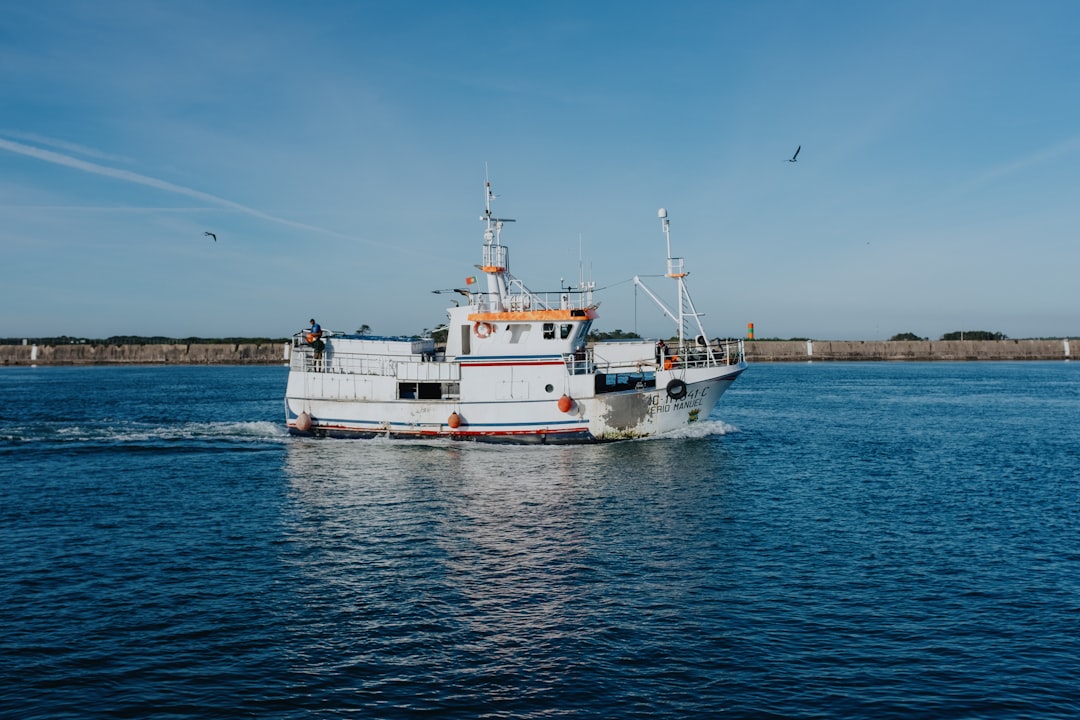
Channel Islands Ferry Secrets: 25,000 Travelers Revealed
Introduction: The Hidden World of Island Hopping
The Channel Islands sit between England and France. They are a special group of islands. Recently, BBC reported exciting news. Over 25,000 people traveled between islands by ferry. This shows how popular these islands are. The Channel Islands include Jersey, Guernsey, Alderney, Sark, and Herm. Each island has its own character. They offer beautiful beaches and rich history. The ferry system connects them all. It lets visitors explore multiple islands easily. This article will show you everything about these ferries. You will learn why so many people use them. We will share tips for your own island adventure. The Channel Islands wait for you to discover them. Pack your bags and get ready to explore.
These islands have a unique status. They are British Crown Dependencies. This means they govern themselves. They are not part of the United Kingdom. They have their own laws and traditions. The official languages are English and French. The climate is mild all year. This makes visiting pleasant anytime. The ferry system is the lifeline between islands. It carries locals and tourists alike. The recent numbers prove its importance. Let us dive deeper into this fascinating topic.
Understanding the Channel Islands
Geography and Location
The Channel Islands are in the English Channel. They are closer to France than England. The total land area is about 198 square kilometers. Jersey is the largest island. Guernsey is the second largest. Then come Alderney, Sark, and Herm. There are also smaller uninhabited islands. The scenery varies from island to island. You can find cliffs, beaches, and farmland. The tides are among the largest in the world. This affects ferry schedules greatly. Always check tide times when planning your trip.
Brief History
The Channel Islands have a long history. They were part of the Duchy of Normandy. In 1066, William the Conqueror became King of England. The islands remained under English rule. During World War II, Germany occupied the islands. This lasted from 1940 to 1945. You can still see bunkers and fortifications today. After the war, the islands rebuilt quickly. Today, they are prosperous and peaceful. Their history adds to their charm. Many museums tell these stories. Learn more about the occupation from Imperial War Museums.
Island Cultures and Traditions
Each island has its own identity. Jersey and Guernsey have their own parliaments. They also issue their own stamps and currency. The local languages include Jèrriais and Guernésiais. These are Norman dialects. English is widely spoken everywhere. Traditional events happen throughout the year. For example, Jersey has the Battle of Flowers festival. Guernsey has its own literary festival. Sark has no cars allowed. People use bicycles and horse-drawn carriages. This makes it very peaceful. Understanding these cultures enriches your visit.
The Ferry System: Lifeline of the Islands
Major Ferry Operators
Several companies run ferry services. Condor Ferries is the main operator. They connect the islands to each other and to mainland UK and France. Manche Iles Express links the islands to France. Emeraude Lines also offers services. Each company has different routes and schedules. Condor Ferries uses fast craft and conventional ferries. This allows for flexible travel options. The ferries carry passengers and vehicles. Booking in advance is wise, especially in summer. Check Condor Ferries official website for schedules.
Popular Routes
The busiest route is between Jersey and Guernsey. This takes about one hour by fast ferry. Other important routes include Guernsey to Sark and Guernsey to Herm. Sark and Herm are smaller islands. They offer day trip opportunities. Ferries to Alderney run from both Jersey and Guernsey. Some routes are seasonal. They operate more frequently from April to October. Winter services may be reduced. Always verify current timetables before traveling.
Types of Ferries
There are two main types of ferries. Fast ferries are catamarans. They travel quickly but can be affected by weather. Conventional ferries are larger and slower. They offer more stability in rough seas. Some ferries have onboard amenities. These include cafes, shops, and lounges. Vehicle ferries allow you to bring your car. This is useful for exploring islands thoroughly. Foot passengers can enjoy the views from decks. Both options have their advantages.
Why 25,000 People Choose Inter-Island Ferries
Scenic Beauty
The ferry rides themselves are attractions. You get stunning views of coastlines. You might see dolphins or seals. The sea changes color with the weather. Each island has a unique approach. Arriving by sea is a memorable experience. Photographers love these journeys. Sunrise and sunset trips are especially beautiful. The fresh sea air invigorates you. It is a perfect start to any island visit.
Convenience and Accessibility
Ferries are the easiest way to island hop. They connect islands that have no airports. For example, Sark and Herm are only accessible by boat. Ferries are also more affordable than flights. They can carry more luggage without extra fees. The terminals are usually in town centers. This makes transfers simple. Many ferries run multiple times daily. This allows for flexible itineraries. You can visit multiple islands in one day if you plan well.
Economic Factors
Using ferries supports local economies. The ferry companies employ island residents. Tourism brought by ferries helps businesses. Restaurants, hotels, and shops all benefit. The BBC report highlights this economic impact. Over 25,000 travelers mean significant revenue. This helps maintain island communities. It also funds conservation efforts. Your ferry ticket contributes to this cycle. Read the original BBC report here.
Step-by-Step Guide to Island Hopping
Planning Your Trip
First, decide which islands to visit. Research what each offers. Jersey has great beaches and history. Guernsey has charming towns and cliffs. Sark is perfect for nature lovers. Herm is tiny and peaceful. Alderney has wildlife and bunkers. Check ferry schedules between your chosen islands. Consider how many days you have. Allow at least two days per island. Book ferries and accommodation early. Summer is busiest. Spring and autumn are quieter but still lovely.
Booking Ferries
Visit ferry company websites. Compare prices and times. Look for combo tickets if available. Some offers include multiple routes. Decide if you need a vehicle. For small islands like Sark, you do not need a car. Bicycles are better there. Book online for discounts. Print tickets or save them on your phone. Check cancellation policies. Weather can affect sailings. Have a flexible plan just in case.
On the Day of Travel
Arrive at the terminal early. Allow time for check-in. Have your ticket and ID ready. Listen to announcements. Boarding usually starts 30 minutes before departure. Find a good seat on the ferry. If you prone to seasickness, sit in the middle. This area has less movement. Enjoy the journey. Take photos but be safe. Follow crew instructions at all times. Disembark carefully when you arrive.
Practical Tips for Ferry Travel
Best Time to Visit
Summer (June to August) is peak season. The weather is warmest. All ferry routes operate. However, it can be crowded. Spring (April to May) is lovely. Flowers bloom everywhere. Autumn (September to October) is also nice. Seas might be rougher in winter. But fares are lower. Check holiday periods. British and French school holidays increase demand. See Guernsey tourism advice on when to visit.
What to Pack
Pack layers. Weather can change quickly. Bring a waterproof jacket. Comfortable shoes are essential for exploring. Sunscreen and hats for sunny days. A reusable water bottle. Camera or smartphone for photos. Charging cables and adapters. UK plugs are used. Some ferries have USB ports. A small backpack for day trips. Cash and cards. Not all places accept cards, especially on smaller islands.
Money and Costs
Islands use pounds sterling. Jersey and Guernsey have their own notes. They are accepted across islands. Credit cards are widely accepted. But carry some cash for small purchases. Ferry prices vary by route and season. Expect to pay £20-£50 per person one way. Vehicle transport costs extra. Look for round-trip discounts. Book online to save money. Official Jersey government money advice.
Health and Safety
The islands have excellent healthcare. EU health cards may not be valid. Check your travel insurance. On ferries, follow safety briefings. Wear life jackets if instructed. Be careful on wet decks. Watch your step when boarding. In case of seasickness, medication helps. Drink water and avoid heavy meals before sailing. Sun protection is important even on cloudy days.
Island Highlights and Must-See Attractions
Jersey Attractions
Jersey is the largest island. Visit Elizabeth Castle. It is in St. Helier bay. Reach it by foot at low tide or by ferry. The Jersey War Tunnels tell wartime stories. La Mare Wine Estate offers tours and tastings. St. Brelade's Bay has beautiful sand. The Zoo is great for families. Explore more on Jersey tourism website.
Guernsey Gems
Guernsey's capital is St. Peter Port. It has colorful houses and a marina. Visit Castle Cornet for history. The Little Chapel is beautifully decorated with shells. Have a beach day at Vazon Bay. Learn about Victor Hugo's exile here. His house is now a museum.
Sark and Herm Charms
Sark has no cars. Rent a bicycle or take a horse-drawn carriage. Walk the coastal paths. See the Sark Henge standing stones. Herm is tiny. You can walk around it in a few hours. Enjoy Shell Beach and Belvoir Bay. Both islands are perfect for relaxation.
Alderney Adventures
Alderney is wild and rugged. Visit the Alderney Museum. See the fortifications from WWII. Birdwatch at the Alderney Wildlife Trust. Enjoy quiet beaches like Braye Bay. The island has a peaceful atmosphere.
FAQ Section
How long does a typical ferry ride between islands take?
It depends on the route. Jersey to Guernsey takes about one hour. Guernsey to Sark is 45 minutes. Guernsey to Herm is only 20 minutes. Check timetables for exact times.
Can I take my car on all ferries?
No, not all ferries take vehicles. Sark does not allow visitor cars. Herm also bans cars. You can take cars to Jersey, Guernsey, and Alderney. Book vehicle space early.
What happens if the weather is bad?
Ferries may be delayed or canceled. The companies will inform you. They may offer alternative sailings or refunds. Always have a backup plan. Travel insurance is recommended.
Are there discounts for children or seniors?
Yes, most ferry companies offer reduced fares. Children under a certain age travel free or at discount. Seniors also get discounts. Check each company's policy.
Do I need a passport to travel between islands?
No, you do not need a passport for inter-island travel. However, bring photo ID. You need a passport if coming from outside the Channel Islands.
Can I bring my pet on the ferry?
Yes, pets are allowed on most ferries. They may need to stay in designated areas. Some companies charge a fee. Check rules before traveling.
Is food available on board?
Most ferries have a cafe or snack bar. They sell drinks, sandwiches, and snacks. You can also bring your own food. There are usually seating areas to eat.
Real Traveler Experiences
Family Vacation Story
The Smith family from London visited last summer. They spent two weeks island hopping. They started in Jersey. Then took the ferry to Guernsey. Finally, they visited Sark for a day. The children loved the ferry rides. They saw dolphins near Guernsey. The parents enjoyed the ease of travel. They said the ferries were comfortable and punctual. They plan to return to explore Alderney next time.
Solo Traveler Adventure
Maria, a solo traveler from Spain, shared her experience. She used ferries to visit all five main islands. She met other travelers on board. The crew were helpful with her questions. She felt safe throughout her trip. Her favorite moment was arriving at Herm early morning. The island was quiet and beautiful. She recommends ferry travel to all solo explorers.
Statistics and Data
The BBC reported over 25,000 inter-island ferry travelers. This number is from recent data. It shows a growing trend. Tourism contributes significantly to local economies. Alderney tourism statistics show similar growth. Ferry passenger numbers have increased by 15% in five years. Summer months see the highest traffic. July and August are busiest. Weekends are more crowded than weekdays. Advance bookings have risen by 20% since last year. This indicates more planned travel. The average visitor stays 5-7 days. They visit 2-3 islands during their stay. These numbers highlight the importance of ferry services.
Conclusion: Your Island Adventure Awaits
The Channel Islands offer unique experiences. The ferry system makes exploration easy. Over 25,000 travelers cannot be wrong. These islands combine natural beauty with rich history. Each island has its own personality. From busy Jersey to peaceful Sark, there is something for everyone. The ferries are more than transport. They are part of the adventure. The sea views and fresh air add to the journey. With good planning, your trip will be smooth. Use the tips in this article. Book early, pack wisely, and stay flexible. The islands welcome visitors with open arms. The local people are friendly and helpful. The memories you make will last a lifetime. Do not wait too long. Start planning your Channel Islands ferry adventure today. The sea is calling you to discover these hidden gems.
Remember, the best travels are those shared. Tell your friends about these islands. Share your photos and stories. Encourage others to explore responsibly. The Channel Islands will charm you. Their magic lies in their diversity and beauty. The ferries are your key to unlocking this magic. Embark on your journey and join the 25,000 who have discovered this paradise.