
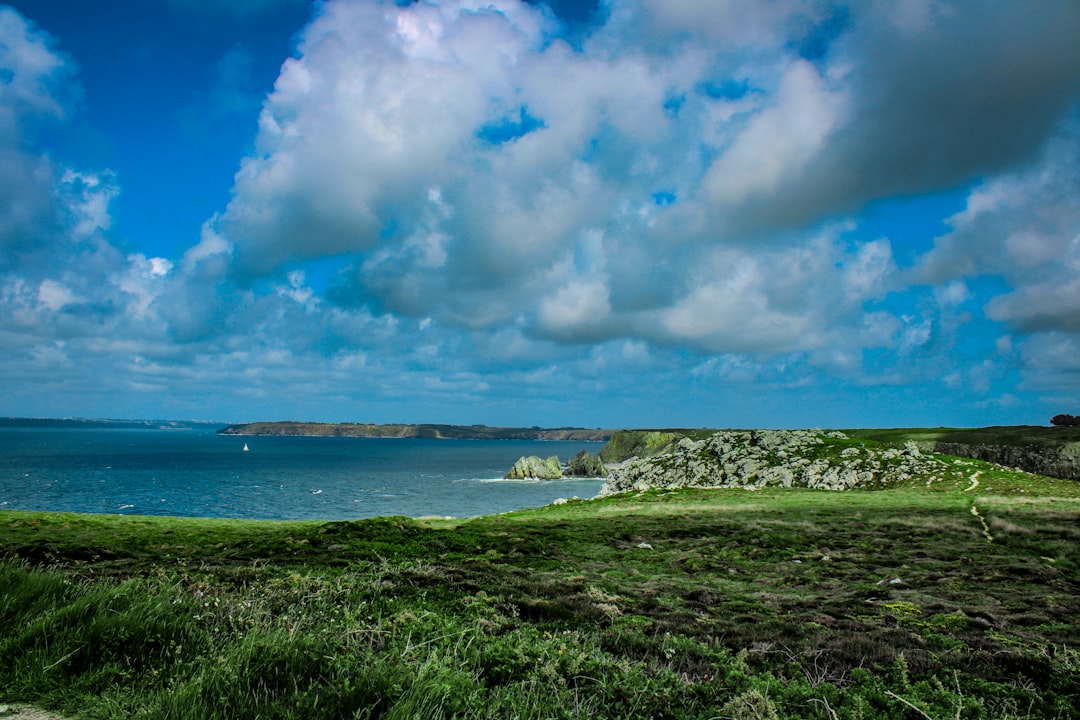
Channel Islands Ferry Boom: 25,000+ Island Hoppers Revealed!
Introduction: The Hidden Travel Revolution
Have you heard about the Channel Islands ferry boom? More than 25,000 people traveled between islands last year. This is a big increase from previous years. The Channel Islands sit between England and France. They include Jersey, Guernsey, Alderney, Sark, and Herm. These islands are beautiful and unique. Each island has its own culture and charm. The ferry system connects them all. It helps locals and tourists move around easily. This growth shows how popular island hopping has become. People love exploring different islands in one trip. The BBC reported this exciting news. It shows a new trend in travel. More people want authentic experiences. They want to see places beyond typical tourist spots. The Channel Islands offer this opportunity. You can visit multiple islands in one vacation. The ferries make it possible. This article will explore everything about this phenomenon. We will look at why it's happening. We will share tips for your own island adventure. Get ready to discover the magic of the Channel Islands!
What Are the Channel Islands?
The Channel Islands are a special group of islands. They are in the English Channel. This is the water between England and France. The islands are closer to France than England. But they belong to the British Crown. They have a unique status. They are not part of the United Kingdom. They have their own governments and laws. The main islands are Jersey and Guernsey. Smaller islands include Alderney, Sark, and Herm. There are also tiny uninhabited islands. Each island has its own character. Jersey is the largest island. It has beautiful beaches and countryside. Guernsey is known for its cliffs and harbors. Alderney is quiet and peaceful. Sark has no cars at all. Herm is tiny and perfect for day trips. The islands have a mild climate. This makes them great for visiting year-round. They have rich history dating back centuries. You can see ancient castles and forts. There are also World War II bunkers. The islands were occupied during the war. This history is still visible today. The local culture mixes British and French influences. The food is especially interesting. You can enjoy fresh seafood and local specialties. The people are friendly and welcoming. English is the main language. Some people also speak French or local dialects. The islands are easy to reach from the UK and France. You can fly or take ferries from mainland Europe. Once there, the inter-island ferries connect everything. This network makes island hopping simple and fun.
Key Islands in the Group
- Jersey - The largest island with 100,000 people
- Guernsey - Second largest with 63,000 residents
- Alderney - Peaceful island with 2,000 people
- Sark - Car-free island with 500 residents
- Herm - Tiny island perfect for day visits
The Ferry System Explained
The Channel Islands ferry system is well organized. Several companies operate these routes. The main operator is Manche Iles Express. They run ferries between all the islands. The journeys are short and scenic. Most trips take less than one hour. Some are just 20 minutes. The ferries are modern and comfortable. They have indoor seating and outdoor decks. You can enjoy beautiful views during the ride. You might see dolphins or seals. The ferries carry both passengers and vehicles. Some routes allow cars. Others are for foot passengers only. The schedules change with the seasons. There are more ferries in summer. This is the busy tourist season. Winter has fewer services. But you can still travel between islands. The ferry terminals are easy to find. They are located in main harbors. Tickets can be bought online or at the port. Prices are reasonable. Discounts are available for children and seniors. The ferry experience is part of the adventure. It's not just transportation. It's a chance to see the islands from the water. You get a different perspective. The sea views are spectacular. Many travelers say the ferry rides are highlights of their trip.
Popular Ferry Routes
- Guernsey to Jersey (1 hour)
- Guernsey to Sark (45 minutes)
- Guernsey to Herm (20 minutes)
- Jersey to Sark (1.5 hours)
- Alderney to Guernsey (1 hour)
Why 25,000+ People Are Island Hopping
The BBC report revealed exciting numbers. Over 25,000 people used inter-island ferries. This is a significant increase. Several factors explain this growth. First, post-pandemic travel changed. People want outdoor experiences. They prefer less crowded destinations. The Channel Islands fit this trend perfectly. Second, social media played a role. Beautiful photos of the islands went viral. This attracted new visitors. Third, improved ferry services helped. More routes and better schedules made travel easier. Fourth, package deals became popular. Tour operators created island-hopping packages. These make planning simple for travelers. Fifth, word of mouth spread. Happy visitors told their friends. The islands' unique features appeal to different travelers. History buffs love the wartime sites. Nature lovers enjoy the coastal paths. Foodies appreciate the local cuisine. Families like the safe beaches. Adventure seekers try water sports. The compact size of the islands is another advantage. You can see a lot in a short time. This is perfect for busy people. The proximity to mainland Europe helps too. Many visitors combine the islands with trips to France or England. The mild climate means you can visit almost any time. All these factors created the perfect conditions for growth. The 25,000 figure represents real people having amazing experiences. This trend will likely continue. More people will discover these hidden gems.
Growth Statistics
- 25,000+ inter-island ferry passengers in 2024
- 15% increase from previous year
- 60% of travelers are international tourists
- 40% are UK residents
- Summer months see highest traffic
Planning Your Island Hopping Adventure
Planning a Channel Islands trip is exciting. But it requires some preparation. First, decide how many days you have. A minimum of 5 days is ideal. This gives time to visit 2-3 islands. Next, choose which islands to visit. Consider your interests. Jersey is great for history and beaches. Guernsey offers good shopping and dining. Sark is perfect for nature lovers. Herm is ideal for a relaxing day trip. Book your main travel first. You need to reach the islands from the mainland. You can fly from many UK airports. Or take a ferry from England or France. Then book inter-island ferries. It's best to book these in advance. Especially during peak season. Accommodation varies by island. Jersey and Guernsey have many hotels. The smaller islands have guesthouses and self-catering options. Book early as places fill up quickly. Pack for changeable weather. Even in summer, bring layers. Comfortable shoes are essential. You will do lots of walking. Don't forget your camera. The scenery is breathtaking. Plan your budget carefully. The islands can be expensive. But there are ways to save money. Consider traveling in shoulder season. This means April-May or September-October. The weather is still good. But prices are lower. Crowds are smaller too. Learn some basic information. Know the local currency. Jersey and Guernsey have their own pounds. They equal British pounds. But English money is accepted everywhere. Understand the travel documents needed. If you're from the UK, no passport is needed. But bring ID. International visitors need passports. Check visa requirements if necessary. With good planning, your trip will be smooth and enjoyable.
Sample 5-Day Itinerary
- Day 1: Arrive in Jersey, explore St. Helier
- Day 2: Jersey sights, afternoon ferry to Guernsey
- Day 3: Guernsey exploration, day trip to Herm
- Day 4: Ferry to Sark, return to Guernsey
- Day 5: Last morning in Guernsey, departure
Must-See Attractions on Each Island
Each Channel Island has special places to visit. Here are the top attractions. In Jersey, don't miss Mont Orgueil Castle. This medieval castle offers amazing views. The Jersey War Tunnels are fascinating. They tell the story of wartime occupation. The Durrell Wildlife Park is great for families. It has rare animals from around the world. St. Ouen's Bay has beautiful beaches. It's perfect for surfing. In Guernsey, visit Castle Cornet. This castle guards St. Peter Port harbor. The Little Chapel is unique. It's decorated with broken china and seashells. The German Occupation Museum shows wartime history. The cliff paths offer stunning walks. Don't miss the tidal pools at low tide. Alderney is quieter but lovely. Visit the Alderney Museum. Learn about local history. See the wildlife at the Alderney Bird Observatory. The beaches are peaceful and clean. Sark has no cars. Explore by bike or horse-drawn carriage. Visit La Seigneurie Gardens. They are beautiful and well-maintained. The Sark Henge is a modern stone circle. It has great views. Herm is tiny but charming. Walk around the entire island in a few hours. Visit Shell Beach. It's covered in tiny shells instead of sand. Each island has its own character. Try to experience several during your visit.
Island Highlights Checklist
- Jersey: Mont Orgueil Castle, War Tunnels
- Guernsey: Castle Cornet, Little Chapel
- Alderney: Museum, Bird Observatory
- Sark: La Seigneurie Gardens, Dark Sky Park
- Herm: Shell Beach, circular walk
Practical Tips for Ferry Travel
Using the ferries is easy with these tips. First, always check the weather. Ferry schedules can change due to conditions. Second, arrive at the terminal early. This gives time to find your way. Third, pack light if possible. Moving between islands is easier with less luggage. Fourth, have local currency. Some small vendors might not accept cards. Fifth, learn basic ferry etiquette. Let people off before you board. Find your seat quickly. Keep aisles clear. Be respectful of other passengers. Sixth, dress in layers. It can be cooler on the water. Even on warm days. Seventh, bring motion sickness medication if needed. The sea can be rough sometimes. Eighth, keep your tickets handy. You might need to show them. Ninth, charge your devices. Some ferries have charging points. But not all. Tenth, enjoy the journey. Look for wildlife. Take photos. Relax and enjoy the sea air. Remember that ferry staff are helpful. Ask them if you have questions. They know the routes well. They can offer local advice too. Following these tips will make your ferry travels smooth and pleasant.
What to Pack for Ferry Trips
- Warm layer (jacket or sweater)
- Water bottle
- Snacks
- Camera or phone
- Entertainment (book, music)
- Motion sickness tablets
- Sun protection
- Travel documents
Local Culture and Customs
The Channel Islands have unique traditions. Understanding them enriches your visit. The local culture blends British and French influences. English is the main language. But you'll hear some French words too. Place names often show French origins. The legal system is different from the UK. Each island makes its own laws. The traditional industries were fishing and farming. Today, tourism and finance are important. The people are generally reserved but friendly. They appreciate polite visitors. Say "please" and "thank you" often. Queuing is important. Always wait your turn. Tipping is similar to the UK. In restaurants, 10-15% is standard if service is good. In taxis, round up the fare. The food is a highlight. Seafood is fresh and delicious. Try local specialties like Jersey royals. These are small potatoes with unique flavor. Guernsey gâche is a sweet bread. It's delicious with butter. Black butter is a Jersey specialty. It's actually a spicy fruit spread. The islands have their own dialects. Some older residents still speak them. You might hear words like "bachin" (basin) or "crapaud" (toad). The pace of life is slower than cities. Especially on smaller islands. Embrace this relaxed rhythm. Don't rush. Enjoy each moment. The islands celebrate various festivals. Liberation Day on May 9 is important. It marks the end of German occupation. There are parades and events. Check local calendars for festivals during your visit.
Budgeting for Your Trip
The Channel Islands can be expensive. But smart planning helps manage costs. First, transportation. Flights from the UK start around £50 return. Ferries from England cost similar prices. Inter-island ferries vary. Short trips cost £15-20. Longer routes are £25-35. Book round trips for discounts. Accommodation ranges widely. Budget hotels cost £80-120 per night. Luxury options can be £200+. Self-catering apartments offer savings. You can cook some meals. Food costs are higher than mainland UK. A restaurant meal costs £15-25 per person. Pubs offer cheaper options. Look for lunch specials. Many attractions have entrance fees. Budget £10-15 per major site. Some offers discounts for multiple attractions. Consider a Heritage Pass if visiting many historic sites. Shopping can be expensive. But local products make good souvenirs. Jersey pottery is famous. Guernsey sweaters are warm and traditional. To save money, travel offseason. April-May and September-October are good. Weather is still pleasant. Prices are lower. Book everything in advance. Last-minute bookings cost more. Use public transportation on islands. Buses are cheaper than taxis. Walk when possible. It's free and healthy. Bring reusable water bottle. Tap water is safe to drink. This saves money and helps the environment. With careful planning, you can enjoy the islands without overspending.
Sample Daily Budget
- Budget traveler: £60-80 per day
- Mid-range traveler: £100-150 per day
- Luxury traveler: £200+ per day
FAQ Section
Do I need a passport to visit the Channel Islands?
It depends where you are from. UK citizens do not need a passport. But they should bring photo ID. International visitors need a valid passport. Check visa requirements based on your nationality.
What is the best time to visit?
Summer (June-August) has the best weather. But it is busiest. Spring (April-May) and autumn (September-October) are lovely. The weather is good. Crowds are smaller. Prices are lower too.
How long does ferry travel take?
It varies by route. Short trips like Guernsey to Herm take 20 minutes. Longer routes like Jersey to Sark take 90 minutes. Most journeys are under one hour.
Can I take my car on ferries?
Some routes allow cars. But it is expensive and requires booking. Between Jersey and Guernsey, cars are possible. To smaller islands, usually not. It's easier to travel as foot passengers.
What currency is used?
Jersey and Guernsey have their own pounds. They equal British pounds. English money is accepted everywhere. Credit cards are widely accepted. But carry some cash for small purchases.
Is English spoken everywhere?
Yes, English is the main language. Some people speak French. On smaller islands, you might hear local dialects. But everyone understands English.
What happens if bad weather cancels ferries?
Ferries can cancel due to bad weather. If this happens, the ferry company will help. They might put you on the next available ferry. Or refund your ticket. Always have flexible plans.
Real Traveler Experiences
Many people have enjoyed island hopping. Here are some real stories. Sarah from London visited last summer. "We did Jersey, Guernsey, and Sark in one week. The ferries were easy to use. Each island felt different. Sark was my favorite. No cars made it so peaceful. We cycled everywhere. The views were incredible." Mark from Manchester traveled with his family. "Our kids loved the beaches. The ferry rides were adventures. We saw dolphins twice! The islands felt safe and clean. We'll definitely return." Anna from Germany visited in spring. "I'm a history teacher. The wartime sites fascinated me. The ferry system made it simple to see everything. I visited four islands in five days. It was efficient and enjoyable." These stories show the variety of experiences possible. Whether you seek relaxation, adventure, or culture, the Channel Islands deliver. The ferry network makes it all accessible.
Environmental Impact and Sustainable Travel
Tourism growth brings environmental concerns. The Channel Islands are working on sustainability. The ferries are becoming more eco-friendly. Newer vessels use cleaner fuel. Some routes use hybrid engines. Visitors can help too. Choose direct flights when possible. Use public transport on islands. Walk or cycle instead of taxis. Support local businesses. Buy from local shops and eat at local restaurants. Respect nature. Stay on marked paths. Don't disturb wildlife. Take all litter with you. The islands have fragile ecosystems. Be careful with water usage. Some islands have limited fresh water. Take short showers. Reuse towels. Choose eco-friendly accommodation. Some hotels have green certifications. Look for these when booking. The National Trust protects many beautiful areas. Consider donating or volunteering. Sustainable travel ensures future visitors can enjoy the islands too. Your choices make a difference.
Conclusion: Your Island Adventure Awaits
The Channel Islands ferry boom is exciting. Over 25,000 people discovered island hopping last year. You can join them too. These islands offer unique experiences. Beautiful scenery, rich history, and friendly people await. The ferry system makes exploration easy. You can visit multiple islands in one trip. Each island has its own character. From bustling Jersey to peaceful Sark. Planning is straightforward. Follow the tips in this article. Book ferries in advance. Pack for changeable weather. Embrace the local culture. The islands are safe and welcoming. They suit all types of travelers. Families, couples, solo adventurers - everyone finds something special. The growth in visitors shows their appeal. But they remain uncrowded compared to many destinations. Now is the perfect time to visit. Experience the magic for yourself. Create your own island-hopping adventure. The Channel Islands will surprise and delight you. Start planning today. Your unforgettable journey begins with a simple ferry ride.