
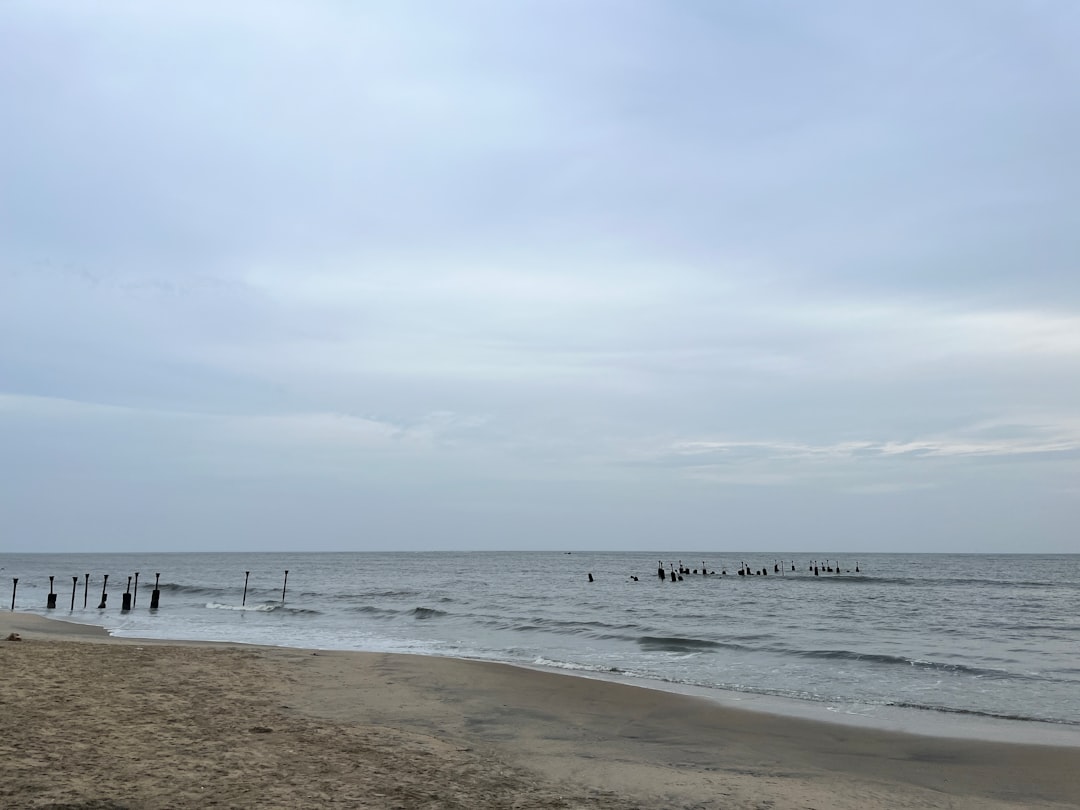
Beach Vacations in the US: Your Ultimate Guide to Coastal Getaways
Dreaming of sand between your toes? The United States has amazing beaches. You can find them on every coast. This guide will help you plan your perfect trip. We cover everything from sunny Florida to wild Oregon. Get ready for your next adventure.
America's coastline is very long. It stretches over 95,000 miles. This includes oceans, gulfs, and lakes. You have many choices for a beach vacation. Some beaches are busy and fun. Others are quiet and peaceful. You can find the right beach for you.
This guide is very detailed. It has over 2000 words of useful information. You will learn about the best beaches. You will get tips for saving money. We explain how to travel safely. Let us help you plan a wonderful trip.
Why Choose a US Beach Vacation?
US beach vacations are great for many reasons. First, you do not need a passport. This makes travel easier for American families. You can drive to many beautiful beaches. This saves money on flights.
Second, US beaches are very diverse. You can visit tropical Hawaii. You can see the rocky coast of Maine. The warm waters of the Gulf are perfect for swimming. The Pacific Ocean offers big waves for surfing.
Third, infrastructure is good. You will find clean restrooms and showers. Many beaches have lifeguards in summer. There are often restaurants and shops nearby. This makes your trip more comfortable.
Economic Benefits
Beach tourism is very important for the US economy. The National Oceanic and Atmospheric Administration (NOAA) says coastal areas create over $9 trillion in goods and services each year. Tourism is a big part of this. Choosing a US beach helps local communities.
Accessibility for All
Many US beaches are now more accessible. They have mats for wheelchairs on the sand. Some offer beach wheelchairs for free. This means everyone can enjoy the ocean. Check with your chosen beach before you go.
Top US Beach Destinations by Region
The US has several coastal regions. Each one has a unique character. Your ideal beach depends on what you like. Do you want warm water? Do you prefer hiking? Here are the best options.
The East Coast: From Maine to Florida
The Atlantic coast is very long. It changes a lot from north to south.
- New England (Maine, New Hampshire, Massachusetts): These beaches are rocky and beautiful. The water is cold, even in summer. But the scenery is amazing. Try Ogunquit Beach in Maine or Hampton Beach in New Hampshire.
- Mid-Atlantic (New York, New Jersey, Delaware, Maryland, Virginia): These are classic summer beaches. Think of boardwalks and amusement parks. The water is warmer here. Popular spots include Ocean City, Maryland and Virginia Beach, Virginia.
- The Southeast (North Carolina, South Carolina, Georgia): This is where beaches get truly warm. The sand is soft and white. The Outer Banks of North Carolina are famous for wild horses. Myrtle Beach, South Carolina is great for families.
- Florida: Florida has over 1,300 miles of coastline. The water is warm all year. The Gulf Coast has calm, clear water. The Atlantic Coast has bigger waves. Destin, Clearwater, and Miami Beach are all excellent choices.
The Gulf Coast: Texas, Louisiana, Mississippi, Alabama, Florida
The Gulf of Mexico has gentle, warm water. The sand is often very white. It is perfect for small children and new swimmers.
- Alabama Gulf Coast: Gulf Shores and Orange Beach are top family destinations. The sand is sugar-white. The state parks are beautiful.
- Florida's Gulf Coast: Often called the "Emerald Coast" for its green water. Siesta Key Beach has sand that stays cool. It is often ranked the best in the US.
- Mississippi and Louisiana: These beaches are less crowded. They have a unique culture and great food. Try Gulfport, Mississippi.
The Environmental Protection Agency (EPA) monitors water quality here. Always check for alerts before swimming.
The West Coast: California, Oregon, Washington
The Pacific Coast is dramatic. You will see cliffs, rocks, and big waves. The water is cold, but the views are incredible.
- California: Southern California has a beach culture. Think surfing and volleyball. Santa Monica and Laguna Beach are iconic. Northern California is wilder. Pfeiffer Beach in Big Sur has a purple sand cove.
- Oregon: The entire coast is public land. You can explore freely. Cannon Beach has the famous Haystack Rock. It is a must-see.
- Washington: The coast is moody and beautiful. Ruby Beach has sea stacks and driftwood. It feels like another world.
Hawaii and Tropical US Territories
Hawaii is the dream for a tropical beach. The islands have every type of beach you can imagine.
- Oahu: Waikiki Beach is famous and busy. The North Shore has huge winter waves for surfing.
- Maui: Ka'anapali Beach is long and perfect for walking. Wailea Beach is calm and great for snorkeling.
- Kauai: This is the "Garden Isle." Beaches like Poipu are stunning. They are often less crowded.
Remember, Hawaii is far away. Flights are expensive. Plan your budget carefully. Also, respect the local culture and land. The Department of the Interior manages many protected areas.
Planning Your Beach Vacation: A Step-by-Step Guide
Good planning makes your trip better. Follow these steps for a smooth vacation.
Step 1: Choose Your Destination and Time
First, decide what you want. Do you want to relax or have adventure? Do you have small children? Answer these questions.
Then, pick your season. Summer is peak season everywhere. It is also the most crowded and expensive. Consider the "shoulder seasons" of late spring or early fall. The weather is still good. Prices are lower.
For example, Florida is great in May or October. The summer heat and hurricane risk are lower. California beaches can be foggy in June. September often has the best weather.
Step 2: Set Your Budget
Beach trips can be cheap or very expensive. Make a budget for these things:
- Transportation: Gas, flights, rental car.
- Lodging: Hotel, rental house, camping fees.
- Food: Groceries, restaurants, snacks.
- Activities: Boat rentals, park entry fees, tours.
- Equipment: Beach chairs, umbrella, cooler.
A good tip is to book lodging early. Prices go up as the date gets closer. Look for places with a kitchen. Cooking some meals saves a lot of money.
Step 3: Book Accommodation and Travel
Now, make your bookings. For flights, use price alert tools. For hotels, check reviews on multiple sites. Consider vacation rental websites for houses or condos. They are good for families.
If you are driving, check your car. Make sure the tires and brakes are good. Plan your route. Know where you will stop for breaks.
Step 4: Plan Your Activities
Do not just sit on the beach all day. Plan a few fun activities. Here are some ideas:
- Take a surfing lesson.
- Go on a dolphin-watching boat tour.
- Visit a nearby nature park or aquarium.
- Try fishing from a pier.
- Build a giant sandcastle.
Check the local tourism website. They list events and attractions. The National Park Service website has info on coastal parks.
Step 5: Pack Smart
Packing the right things is key. Here is a basic beach packing list:
- Sun Protection: Reef-safe sunscreen (SPF 30+), hats, sunglasses, UV-protection shirts.
- Beach Gear: Towels, chairs, umbrella, cooler, waterproof bag.
- Safety: First-aid kit, water shoes, life jackets for kids.
- Entertainment: Books, frisbee, snorkel gear, playing cards.
Pack light, but do not forget essentials. Buying sunscreen at a beach shop is very expensive.
Practical Tips for an Amazing Beach Trip
These tips come from experienced travelers. They will make your vacation safer and more fun.
Sun Safety is Non-Negotiable
The sun at the beach is very strong. You are near water and sand. They reflect the sun's rays. You can burn quickly.
- Apply sunscreen 30 minutes before going outside.
- Reapply every two hours. Reapply after swimming or sweating.
- Use a broad-spectrum sunscreen. It blocks UVA and UVB rays.
- Wear a hat and sunglasses. Sit under an umbrella during peak sun (10 AM to 4 PM).
According to the Centers for Disease Control and Prevention (CDC), skin cancer is very common. Protecting your skin is serious.
Understanding Beach Flags and Safety
Beaches use a flag system. Know what the colors mean.
- Green Flag: Low hazard. Calm conditions. Swim normally.
- Yellow Flag: Medium hazard. Moderate surf or currents. Swim with caution.
- Red Flag: High hazard. Rough conditions. Strong surf or currents. Swimming not recommended.
- Double Red Flag: Water is closed to the public. It is very dangerous.
- Purple Flag: Dangerous marine life is present. This could be jellyfish or sharks.
Always swim near a lifeguard. Teach children about rip currents. If caught in one, do not swim against it. Swim parallel to the shore until you are free.
Budget-Friendly Beach Hacks
You can have a great trip without spending too much.
- Go Public: Use public beach access points. They are free. Avoid private beach clubs with high fees.
- Pack Lunch: Bring a cooler with sandwiches and drinks. Beachside restaurants charge high prices.
- Free Entertainment: The beach itself is free. Play in the sand, swim, look for shells. State parks often have free nature programs.
- Visit in the Off-Season: Lodging can be 50% cheaper. The beach is less crowded.
Eco-Friendly Beach Practices
We must protect our beaches. Follow these rules.
- Take all your trash with you. Do not leave anything on the sand.
- Use mineral-based, reef-safe sunscreen. Chemicals in normal sunscreen harm coral reefs.
- Do not disturb wildlife. Look at birds and turtles from a distance.
- Fill holes in the sand before you leave. Deep holes are dangerous for turtles and people.
The NOAA Ocean Service has many guides on being a good beach visitor.
Real Destination Examples and Itineraries
Let us look at three real trip ideas. They are for different types of travelers.
Example 1: Family Trip to Gulf Shores, Alabama
Duration: 5 days, 4 nights.
Budget: Medium.
Best For: Families with young kids.
Day 1: Arrive and check into a condo. Go to the beach. Let the kids play in the gentle waves. Have a simple dinner.
Day 2: Morning at the beach. Afternoon at the Alabama Gulf Coast Zoo. It is small and friendly.
Day 3: Visit Gulf State Park. Use the free bikes on the trails. Go fishing from the pier.
Day 4: Take a dolphin cruise. Build a big sandcastle contest in the afternoon.
Day 5: Last morning on the beach. Collect shells. Then drive home.
Why it works: The water is calm and shallow. There are many kid-friendly activities. Condos have kitchens to save money on food.
Example 2: Couples Getaway to Cannon Beach, Oregon
Duration: 4 days, 3 nights.
Budget: Medium to High.
Best For: Couples who love nature and hiking.
Day 1: Arrive and see Haystack Rock at sunset. Walk on the beach. Eat at a cozy restaurant.
Day 2: Morning hike in Ecola State Park. See amazing views. Afternoon explore the town's art galleries.
Day 3: Drive south to Oswald West State Park. Hike to Short Sand Beach. It is a surfer's paradise.
Day 4: Enjoy a slow morning. Have coffee with an ocean view. Then depart.
Why it works: It is romantic and scenic. The pace is slow and relaxing. The natural beauty is incredible.
Example 3: Solo Adventure in Miami Beach, Florida
Duration: 5 days, 4 nights.
Budget: Flexible.
Best For: Solo travelers who like energy and culture.
Day 1: Arrive in South Beach. Walk the Art Deco Historic District. Swim in the ocean.
Day 2: Rent a bike. Ride the path along the beach. Visit the Bass Museum of Art.
Day 3: Take a day trip to the Florida Keys. Drive to Key Largo for snorkeling.
Day 4: Explore Little Havana. Eat Cuban food. Listen to music.
Day 5: Last swim. Buy souvenirs. Depart.
Why it works: Miami is very walkable. There is always something to see. It is easy to meet other travelers.
Frequently Asked Questions (FAQ)
1. What is the best time of year for a US beach vacation?
It depends on the coast. For the East and Gulf Coasts, late May to early September is warmest. For the West Coast, September and October often have the best weather with less fog. Hawaii is good year-round, but winter can be rainy.
2. How can I find less crowded beaches?
Look for state parks or national seashores. They are often less developed. Go early in the morning. Avoid holiday weekends. Visit in the shoulder season (May or September).
3. Are US beaches safe for swimming?
Most are very safe. Always swim where there is a lifeguard. Check the water quality report. Listen to the flag warnings. Do not swim alone.
4. What should I do if I see a shark?
Stay calm. Do not splash a lot. Slowly back away toward the shore. Keep your eyes on the shark. Get out of the water calmly. Shark attacks are extremely rare.
5. Can I bring my dog to the beach?
Some beaches allow dogs, some do not. Many have rules about leashes and specific hours. Always check the local beach website before you go. Clean up after your pet.
6. How do I protect my phone and keys at the beach?
Use a waterproof pouch you wear around your neck. Or buy a small, lockable waterproof box. Do not bury valuables in the sand. Leave non-essential items in your hotel safe.
7. What is the #1 mistake people make on beach vacations?
Not drinking enough water. People think because they are in water, they are hydrated. The sun and salt dehydrate you quickly. Drink water all day long.
Conclusion: Your Perfect Beach Awaits
The United States offers a beach for every dream. You can find busy boardwalks or empty, wild shores. You can swim in warm Gulf waters or watch powerful Pacific waves. The choice is yours.
Planning is the key to a great trip. Choose your destination based on your interests. Set a realistic budget. Book early to get the best deals. Pack smart with sun protection and safety in mind.
Remember to be a good visitor. Respect the ocean's power. Follow the safety flags. Protect the environment by leaving no trace. Your actions help keep beaches beautiful for others.
Now you have all the information you need. You know about the best coasts. You have practical tips and real examples. Start planning today. Your unforgettable US beach vacation is closer than you think. The sand, sun, and surf are waiting for you.
Ready to explore more? Check out our other guides on budget family travel and national parks on the coast for more inspiration.