
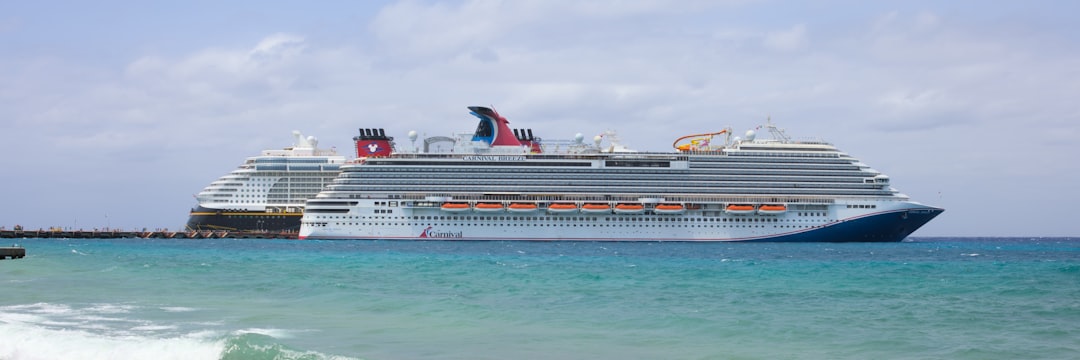
22 Million Americans to Cruise in 2026: Where They'll Sail
Introduction: The Rising Tide of American Cruisers
Cruising is more popular than ever. Nearly 22 million Americans will take a cruise in 2026. This number comes from the Cruise Lines International Association (CLIA). It shows huge growth in cruise travel. More people are choosing ships for vacations. Why is this happening? What makes cruising so appealing?
Cruises offer great value. You pay one price for many things. This includes food, lodging, and entertainment. You visit multiple places without packing and unpacking. Modern ships have amazing features. They have water parks, Broadway shows, and many restaurants. There is something for everyone in the family.
This article will explore where Americans will sail. We will look at popular destinations. We will discuss new trends in cruising. You will learn how to plan your own cruise. We include tips from experts. We also share stories from real cruisers. Get ready to discover the world of cruising.
The Numbers: Understanding the Cruise Boom
The cruise industry is growing fast. CLIA projects 22 million American cruisers in 2026. This is up from 14 million in 2019. The growth is about 57% in seven years. What is driving this increase?
Post-Pandemic Travel Surge
After COVID-19, people want to travel more. They missed vacations during lockdowns. Now they are making up for lost time. Cruises offer a safe way to see multiple places. Ships have improved health protocols. This makes passengers feel secure.
Generational Shifts
Millennials and Gen Z are cruising more. They like the convenience and activities. Older generations still cruise too. This creates a broad market. Families with children are also big customers. Kids enjoy the fun programs on board.
Economic Factors
Cruises can be cheaper than land vacations. You do not pay for hotels or restaurants separately. Many deals include airfare and drinks. This appeals to budget-conscious travelers. Middle-class families find cruises affordable.
According to CLIA, the average cruise length is 7.2 days. The Caribbean is the most popular region. Alaska and Europe follow. New ships are being built to meet demand. They carry more passengers and have new features.
Top Destinations for American Cruisers in 2026
Where will all these Americans go? Some places are very popular. Others are emerging destinations. Here are the top spots for 2026.
The Caribbean: Still King of Cruising
The Caribbean remains number one. About 35% of cruises go here. The weather is warm year-round. The beaches are beautiful. There are many islands to explore. Popular stops include:
- The Bahamas: Close to Florida ports. Great for short trips.
- Jamaica: Known for music and culture.
- Puerto Rico: Rich history and good food.
- US Virgin Islands: No passport needed for Americans.
New Caribbean ports are opening too. Royal Caribbean built a private island in Haiti. It called Labadee. Other lines have private stops. These offer exclusive beaches and activities.
Alaska: The Wilderness Experience
Alaska cruises are very popular in summer. About 12% of American cruisers go here. They want to see glaciers and wildlife. The scenery is amazing. Popular activities include:
- Whale watching tours
- Glacier hiking
- Dog sledding
- Native cultural experiences
Most Alaska cruises start in Seattle or Vancouver. They sail through the Inside Passage. Stops include Juneau, Ketchikan, and Skagway. The season runs from May to September.
Europe: History and Culture
European cruises attract 15% of Americans. They want to see old cities and art. Mediterranean routes are most popular. They visit Italy, Greece, and Spain. Northern Europe cruises go to Scandinavia and Russia.
River cruises are growing fast too. They sail on rivers like the Danube and Rhine. These ships are smaller. They can reach inland cities. This appeals to older travelers who want cultural immersion.
Asia: The New Frontier
Asia is becoming more popular. About 8% of American cruisers will go here in 2026. China, Japan, and Vietnam are top destinations. The culture is very different from America. This attracts adventurous travelers.
Cruise lines are adding Asian itineraries. Norwegian Cruise Line has ships based in Singapore. They offer trips to Thailand and Malaysia. The food and shopping are major draws.
Emerging Cruise Trends for 2026
Cruising is changing. New trends are shaping where people sail. Here are the biggest changes coming.
Expedition Cruising
Expedition cruises go to remote places. They visit Antarctica, the Arctic, and the Galapagos. These ships are smaller and stronger. They have scientists on board. Passengers can learn about the environment.
This type of cruising is growing by 20% each year. It appeals to educated travelers. They want unique experiences. They are willing to pay more for adventure.
Theme Cruises
Theme cruises focus on special interests. There are cruises for music fans, food lovers, and comic book collectors. Everything happens on the ship. You meet people who share your hobbies.
Popular themes include:
- 80s music cruises with famous bands
- Star Trek cruises with actors from the show
- Wine tasting cruises with expert sommeliers
- Yoga and wellness cruises
Solo Traveler Focus
More people are cruising alone. Cruise lines are adding solo cabins. These are smaller rooms for one person. They cost less than regular cabins. Some ships have lounges just for solo travelers.
Norwegian Cruise Line was first with solo cabins. Now other lines are copying. This makes cruising easier for single people. They do not have to pay extra for a double room.
Green Cruising
Environmental concerns are important. Cruise lines are building cleaner ships. They use liquefied natural gas (LNG). This fuel produces less pollution. New ships have advanced waste treatment systems.
Carnival Corporation plans to reduce carbon emissions by 40% by 2030. Other lines have similar goals. Passengers can choose eco-friendly excursions. This includes visiting wildlife sanctuaries.
How to Choose Your Perfect Cruise
With so many options, how do you pick? Follow these steps to find your ideal cruise.
Step 1: Determine Your Budget
Cruises range from budget to luxury. Know how much you can spend. Remember to include extras like drinks and excursions. Look for sales and last-minute deals.
Step 2: Pick Your Destination
Think about what you want to see. Do you like beaches or cities? Are you interested in history or nature? Match the destination to your interests.
Step 3: Choose Your Cruise Line
Each cruise line has a different style. Some are formal with fancy dinners. Others are casual with buffet dining. Research the main lines:
- Royal Caribbean: Good for families with lots of activities
- Carnival: Fun and affordable, great for first-timers
- Princess: Traditional cruising with enrichment programs
- Disney: Perfect for families with young children
Step 4: Select Your Cabin
Cabin choice affects your experience. Inside cabins are cheapest but have no windows. Oceanview rooms have windows. Balcony cabins have private outdoor space. Suites are largest and most expensive.
Step 5: Plan Your Activities
Look at the ship's amenities. Does it have what you want? Check the daily schedule. Make sure there are activities you will enjoy. Book popular excursions early.
Practical Tips for First-Time Cruisers
If you are new to cruising, these tips will help. They come from experienced cruisers and travel experts.
Before You Go
- Check passport requirements. Some destinations need passports.
- Purchase travel insurance. It covers medical emergencies and trip cancellation.
- Download the cruise line app. It has daily schedules and deck plans.
- Pack wisely. Bring comfortable shoes and formal clothes for dinner.
- Arrive at your departure city a day early. This avoids missing the ship.
On Board the Ship
- Explore the ship on your first day. Learn where everything is located.
- Attend the safety drill. It is required and important.
- Make dining reservations early. Popular restaurants fill up fast.
- Use the ship's activities. They are included in your fare.
- Be friendly with crew members. They work hard to make your trip great.
In Port
- Follow the ship's time. Do not rely on your phone's automatic time.
- Carry the ship's contact information. Know when you need to return.
- Respect local customs. Dress appropriately when visiting religious sites.
- Try local food. It is part of the cultural experience.
- Bargain politely in markets. It is expected in some countries.
Real Cruise Stories: Experiences from American Travelers
Hearing from real people helps you understand cruising. Here are stories from American cruisers.
The Family Vacation
The Johnson family from Ohio took their first cruise. They sailed to the Caribbean on Royal Caribbean. "Our kids loved the water slides," said Mrs. Johnson. "My husband and I enjoyed the quiet adult pool. We visited four islands in one week. It was easier than driving to different hotels."
The Retirement Celebration
Mr. and Mrs. Garcia retired last year. They celebrated with an Alaskan cruise. "We saw whales from our balcony," Mr. Garcia shared. "The glaciers were breathtaking. We learned about native cultures. It was educational and relaxing."
The Solo Adventure
Sarah, a teacher from New York, traveled alone. She chose a Mediterranean cruise. "I met other solo travelers," she said. "We explored Rome together. The ship felt safe. I never felt lonely. I would cruise alone again."
Frequently Asked Questions About Cruising
Here are answers to common questions about cruising.
1. Are cruises all-inclusive?
Most cruises include your room, meals, and entertainment. But extra costs include alcohol, soda, specialty dining, excursions, spa treatments, and Wi-Fi. Budget for these extras.
2. Do I need a passport for cruising?
It depends on the cruise. "Closed-loop" cruises that start and end in the same US port may only require a birth certificate. But a passport is always recommended. It helps if you miss the ship or have an emergency.
3. How do I avoid seasickness?
Choose a larger ship and midship cabin where motion is minimal. Book a balcony for fresh air. Use medication, wristbands, or ginger candies. Modern ships have stabilizers that reduce movement.
4. Are cruises safe?
Yes, cruises are very safe. Ships have advanced navigation systems. Crew members are trained in safety procedures. There are medical facilities on board. Security is tight at ports and on ships.
5. Can I stay in touch with home?
Most ships offer Wi-Fi, but it can be expensive and slow. Some cruise lines have better internet packages. Consider disconnecting during your cruise. It is part of the vacation experience.
6. What is the best time to book a cruise?
Booking early (6-12 months ahead) gets you the best cabin selection. Last-minute deals (1-3 months before) can offer big savings. Shoulder seasons (spring and fall) often have lower prices.
7. How much should I tip on a cruise?
Most cruise lines add automatic gratuities to your account. This is typically $14-$18 per person per day. You can adjust this amount at the guest services desk. Extra tips for exceptional service are appreciated.
The Future of Cruising: Beyond 2026
What comes after 2026? The cruise industry continues to evolve. Here are some developments to watch.
New Ship Technology
Ships are getting smarter. They use artificial intelligence to improve service. Facial recognition speeds up boarding. Apps control your cabin lights and temperature. Some ships are testing renewable energy sources.
Space Tourism
This might sound like science fiction, but it is coming. Companies like Virgin Galactic plan space cruises. Passengers will experience weightlessness and see Earth from space. These trips will be very expensive at first.
Virtual Reality Experiences
Ships are adding VR attractions. You can take virtual tours of destinations before visiting. Or play immersive games. This technology enhances the cruise experience. It is especially popular with younger passengers.
Sustainable Tourism
Cruise lines are working with local communities. They want to reduce tourism's negative impacts. This includes limiting visitor numbers at fragile sites. They also support local businesses in port cities.
Conclusion: Your Place in the Cruise Revolution
Cruising is not just a vacation. It is a way to see the world comfortably. The projection of 22 million American cruisers in 2026 shows this trend is strong. More people discover the joys of ship travel each year.
Whether you seek adventure or relaxation, there is a cruise for you. You can explore Alaska's wilderness or the Caribbean's beaches. You can learn about European history or Asian cultures. New ships offer amazing features and activities.
Planning your first cruise might seem daunting. But the steps we outlined make it manageable. Start with your budget and interests. Research cruise lines and destinations. Talk to experienced cruisers or travel agents.
The cruise industry continues to innovate. It addresses environmental concerns. It creates new experiences for passengers. The future of cruising looks bright and exciting.
Will you be among the 22 million Americans cruising in 2026? Start planning now. Your adventure at sea awaits. The world is ready to be explored from the deck of a ship. Bon voyage!